

 20-May-2026
category: varicose veins
20-May-2026
category: varicose veins
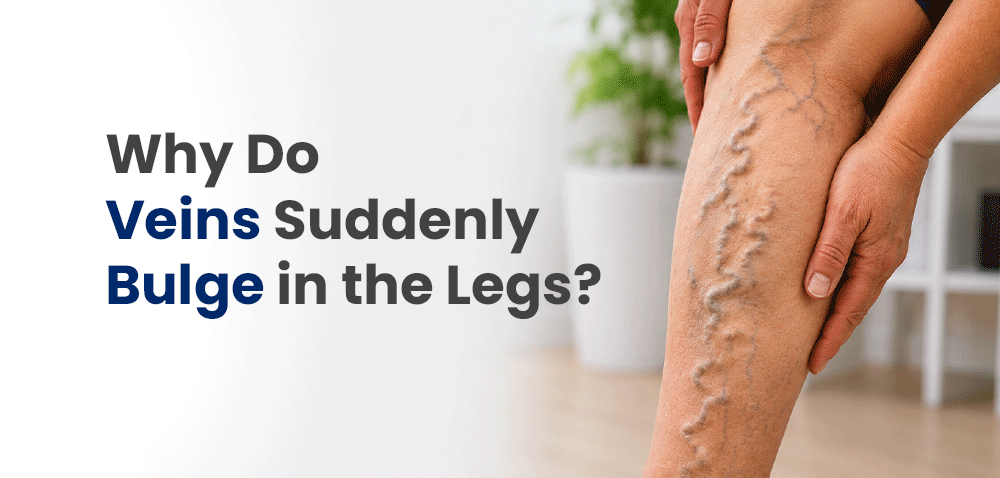
You glance down at your legs and notice something new -a rope-like, bluish-purple vein pushing visibly beneath the skin. It might appear gradually, or seemingly overnight. Either way, the question is immediate: Why is this happening?
The answer lies in varicose veins disease -a progressive condition affecting the venous system that millions of people develop, yet many misunderstand. Understanding what causes veins to bulge is the first step toward choosing the right varicose veins treatment.
Varicose veins disease affects approximately 23% of adults worldwide. Left untreated, it can progress from a cosmetic concern to a serious medical condition.
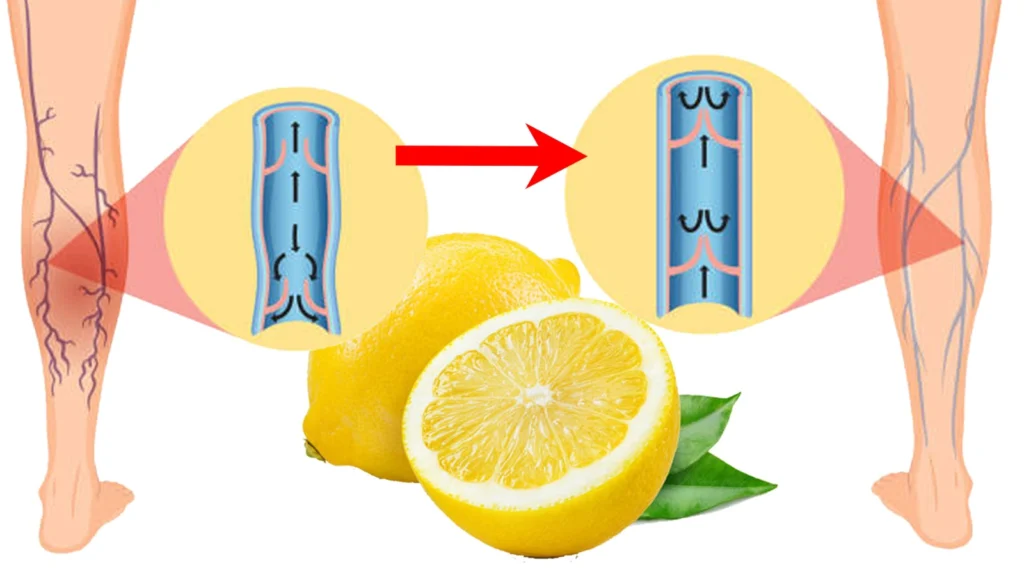
Your veins contain tiny one-way valves whose sole job is to push blood upward toward the heart, fighting gravity with every beat. When these valves weaken or become damaged, blood flows backward and pools inside the vein. As pressure builds, the vein walls stretch and dilate -producing that characteristic bulging appearance on the surface of the skin.
This process, known as chronic venous insufficiency, is the underlying mechanism behind varicose veins disease. It rarely happens instantly -it is the result of cumulative stress on the venous system over months or years, which is why the bulging can feel sudden even though the damage has been building silently.
A genetic predisposition to weak vein valves significantly increases the likelihood of developing varicose veins disease.
Jobs requiring long hours on your feet -or desk work with little movement -put sustained pressure on the leg veins.
Hormonal changes and increased blood volume during pregnancy place added strain on the venous system, expanding vein walls.
Excess body weight increases pressure on the veins, particularly in the lower limbs, accelerating valve damage.
Veins naturally lose elasticity over time, making older adults significantly more susceptible to varicose veins disease.
For many people, varicose veins disease begins as a cosmetic concern -an aesthetic issue that causes self-consciousness but little pain. However, without appropriate varicose veins treatment, the condition can progress significantly. Advanced stages bring chronic leg pain, swelling, skin changes, and in severe cases, venous ulcers that are difficult to heal.
Superficial thrombophlebitis -inflammation and clotting within a varicose vein -is another complication that causes localised pain and redness. In rare cases, varicose veins disease can contribute to deep vein thrombosis (DVT), a potentially life-threatening condition.
The good news is that varicose veins treatment has advanced considerably. Today, most procedures are minimally invasive, performed under local anaesthesia, and require little to no downtime. The right treatment depends on the size and location of the affected veins, overall health, and disease severity.
The first-line approach for mild varicose veins disease. Medical-grade compression stockings improve blood flow by applying graduated pressure to the legs, reducing swelling and discomfort. They do not eliminate existing veins but prevent progression and relieve symptoms effectively.
A chemical solution is injected directly into the affected vein, causing it to scar and close. Blood is rerouted through healthier veins. Sclerotherapy is particularly effective for smaller varicose and spider veins, and typically requires multiple sessions for optimal results.
Similar to EVLA but using radiofrequency energy instead of laser. A catheter delivers controlled heat to the vein wall, sealing it shut. RFA is associated with less post-procedure bruising and discomfort compared to older surgical methods.
Reserved for severe or complex cases, surgical stripping involves physically removing the affected vein through small incisions. While effective, it requires general anaesthesia and a longer recovery period, and is now less commonly recommended given the success of minimally invasive alternatives.
 +91 72079 48545
While genetics play a significant role, certain lifestyle habits can reduce your risk and slow progression. Regular walking and leg exercises strengthen the calf muscle pump that assists venous return. Avoiding long periods of standing or sitting, maintaining a healthy weight, and elevating the legs when at rest all reduce venous pressure.
If you are at high risk -or already noticing early signs -wearing compression stockings daily is one of the most evidence-backed preventive strategies available. Consult a vascular specialist early; the earlier varicose veins treatment begins, the better the long-term outcome.
Bulging veins usually happen when the valves inside the veins become weak or damaged. This causes blood to collect inside the veins instead of flowing properly back to the heart, making the veins enlarge and become visible under the skin.
Not always, but in many cases they are. Enlarged, twisted, or raised veins in the legs are commonly linked to varicose veins disease, especially when accompanied by pain, heaviness, or swelling.
They may seem sudden, but the damage usually develops slowly over time. Many people only notice the veins once they become more enlarged or visible.
At Avis Vascular Centre, treatments like compression therapy, sclerotherapy, EVLA laser treatment, and RFA are done for varicose veins and vascular problems using minimally invasive techniques with faster recovery.
Yes. If your parents or close family members have varicose veins, your chances of developing them are significantly higher.