
Endovenous Thermal Ablation (EVTA), also known as Endovenous Laser Ablation (EVLA) or Endovenous Ablation, is a minimally invasive vein treatment that effectively closes varicose veins from within, using controlled heat energy. During the laser vein treatment procedure, a fine catheter is inserted into the affected vein under ultrasound guidance. Heat, generated through either laser ablation for varicose veins or radiofrequency energy, is delivered along the vein wall, causing it to seal shut and redirect blood flow to healthier veins.
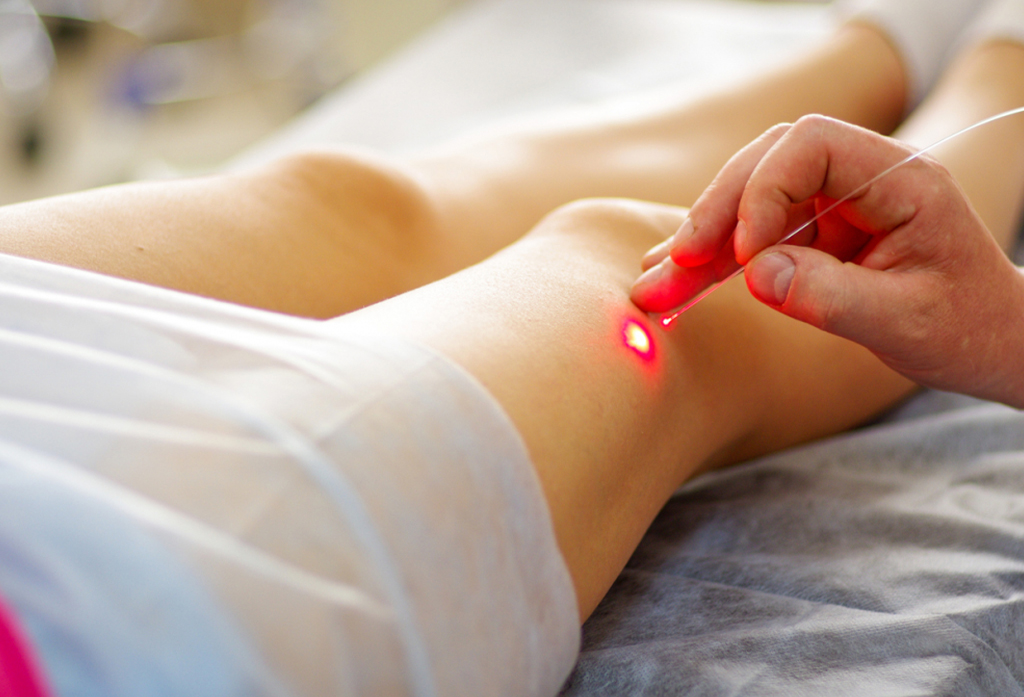
This advanced thermal ablation therapy eliminates the need for traditional surgery or vein stripping, resulting in faster recovery and minimal scarring. Performed under local anesthesia, the varicose vein ablation requires only a small puncture, allowing patients to walk immediately afterward. Recognized as a safe and effective vein closure treatment, thermal ablation for varicose veins offers lasting relief from leg swelling, heaviness, and discomfort. The best hospitals for endovenous ablation provide this modern endovenous vein therapy as a preferred option for comprehensive varicose laser treatment with superior outcomes.
Before: The doctor performs tests like an ultrasound or MRI to determine the characteristics of the fibroids, the patient’s medical history is reviewed. Local anesthesia and mild sedation are given to ensure comfort.
During: The doctor makes a small incision in the groin or wrist to insert a thin catheter into the artery. Using real-time X-ray guidance, the catheter is carefully directed to the uterine arteries that supply blood to the fibroids. Tiny embolic particles are then injected through the catheter to block these arteries, cutting off the blood flow that allows the fibroids to grow. Once the embolization is complete, the catheter is removed, and a small bandage is placed over the incision site.
After: The patient is monitored for a few hours to manage any mild discomfort. Over the next few weeks, the fibroids gradually shrink leading to significant relief from symptoms such as heavy bleeding, pain and pelvic pressure.
“These are some of the common concerns raised by patients, we encourage you to review them for better clarity and understanding”
.png)
Our varicose veins treatments are quite safe and are performed by experienced doctors. However, in rare cases, the treatment can cause nerve damage and infections.
At our varicose hospital, patients begin walking within a few hours of treatment and can return home on the same day. You can expect to make a full recovery within a few weeks.
Communicate all of your concerns with our doctors. Make sure you inform them about all the medicines you are taking. Eat a healthy diet, drink plenty of water and stop smoking at least a week before your treatment.
The doppler test for varicose veins cost is ₹4500, but you can get it for free at our varicose veins hospital. The doppler screening is free only for the first consultation, and is only conducted if the doctor deems it necessary for diagnosis.