Diagnosis of Spider Veins
Spider veins are primarily diagnosed through a clinical evaluation by a vascular specialist, a few methods include
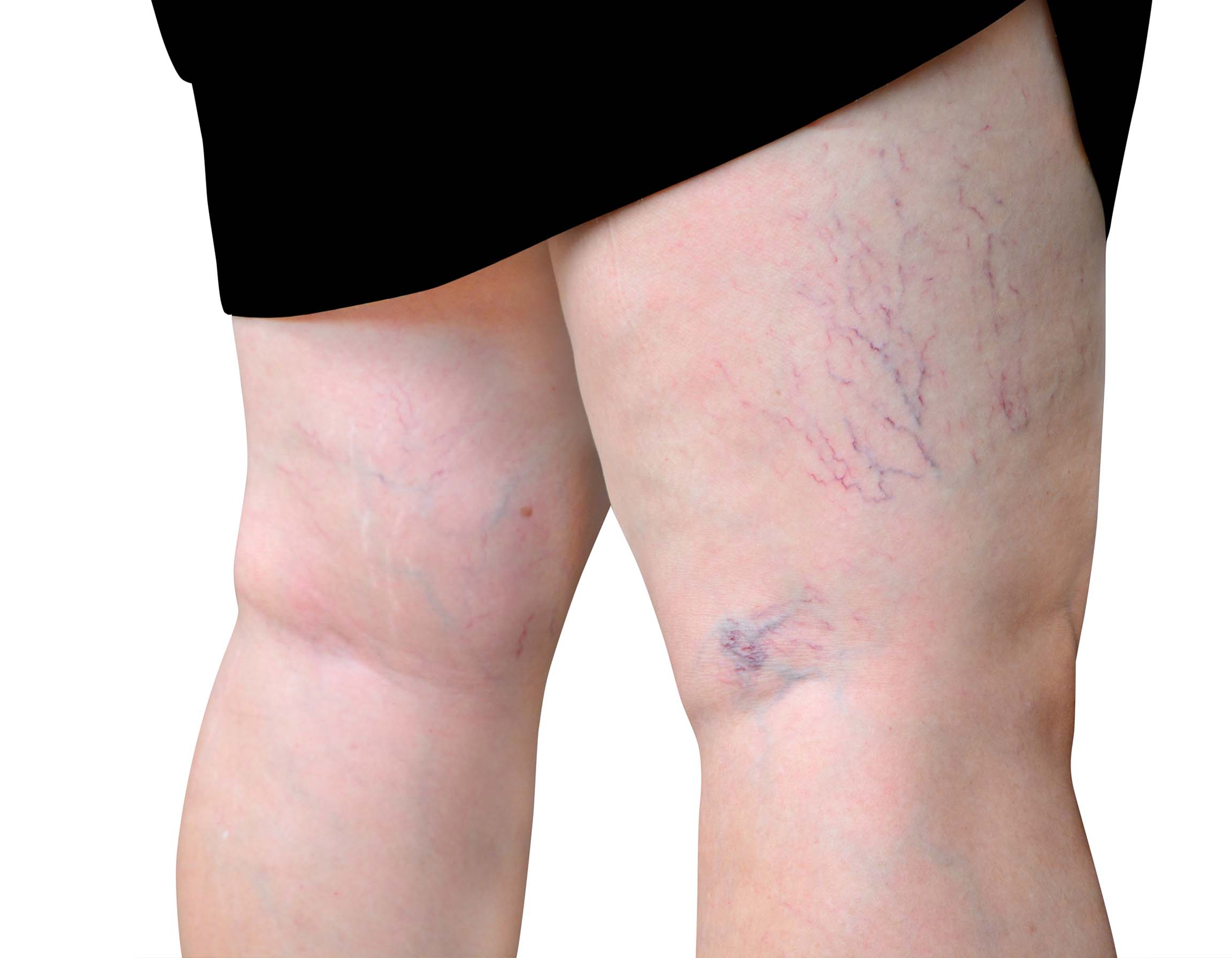

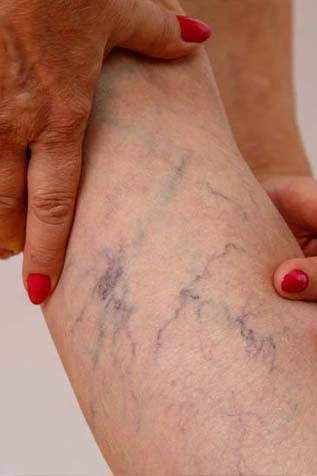
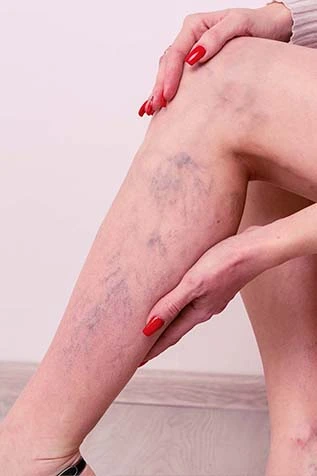
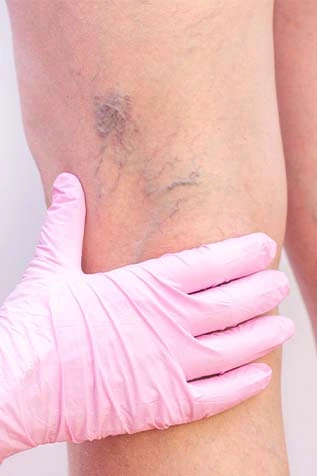
Spider veins are small, visible blood vessels that appear close to the surface of the skin, forming fine red, blue, or purple lines in a web-like pattern. Commonly seen on the legs, ankles, or face, these veins may cause mild discomfort, itching, or a burning sensation, the most typical spider veins symptoms. While generally harmless, they can be a cosmetic concern and sometimes indicate deeper venous issues.
Simple spider veins exercise like walking or leg stretches help improve blood circulation and prevent worsening. For mild cases, home remedies for spider veins such as elevating the legs, using compression stockings, and maintaining a healthy weight can offer relief. However, when symptoms persist, professional spider vein treatment by a vascular specialist ensures long-term improvement and better vein health.
a strong family history of spider or varicose veins.
Female Gender and hormonal influences (puberty, pregnancy, contraceptive use, HRT).
with gradual weakening of vessel walls.
especially in heat, which raises venous pressure.
increasing pressure on pelvic and leg veins.
skin injury or conditions like rosacea (particularly for facial spider veins).
Straight or Slightly curved lines, commonly seen on the inner or the outer thighs.
Resembling tree branches or small root-like patterns, often appearing on the thighs or calves.
dense nets of tiny vessels, often after injection therapy.
Spread out like a circle, web-like pattern, frequently visible around the ankles or knees.
Spider veins are primarily diagnosed through a clinical evaluation by a vascular specialist, a few methods include
Non-Invasive image test to check underlying venous reflux or deeper abnormalities.
An evaluation done to rule out venous insufficiency.
Regular walking and calf‑muscle activity to support leg circulation.
Graduated compression stockings can reduce leg fatigue.
A sclerosant solution is injected to irritate the vein wall, causing it to collapse and fade.
Surface lasers or intense pulse lights target the pigment in the vessel and seal it.
Spider veins are common, especially among women and with advancing age. Though usually harmless, they may indicate underlying vein weakness. Modern spider vein treatment options like sclerotherapy and laser therapy are safe, effective, and minimally invasive. These procedures are customized to suit the severity of the condition and individual cosmetic goals, ensuring precise and lasting results.
Got a question?

No. Spider veins are much smaller surface vessels, whereas varicose veins are larger, bulging veins. However, both share similar risk factors.
Treatment is optional and usually done for appearance or mild symptoms. Medical treatment becomes important if there is associated swelling, pain or deeper venous disease.
Treated veins typically disappear, but new spider veins may form over time if the underlying tendency and risk factors persist.
Patients usually feel only a brief sting or mild discomfort with each injection. Most resume normal activity the same day.
Topical creams have not been shown to clear spider veins. Evidence‑based treatments are sclerotherapy and laser‑based therapies.