Diagnosis of Lymphedema
Lymphedema diagnosis involves clinical evaluation and imaging tests to assess lymphatic flow and confirm the extent of fluid buildup.
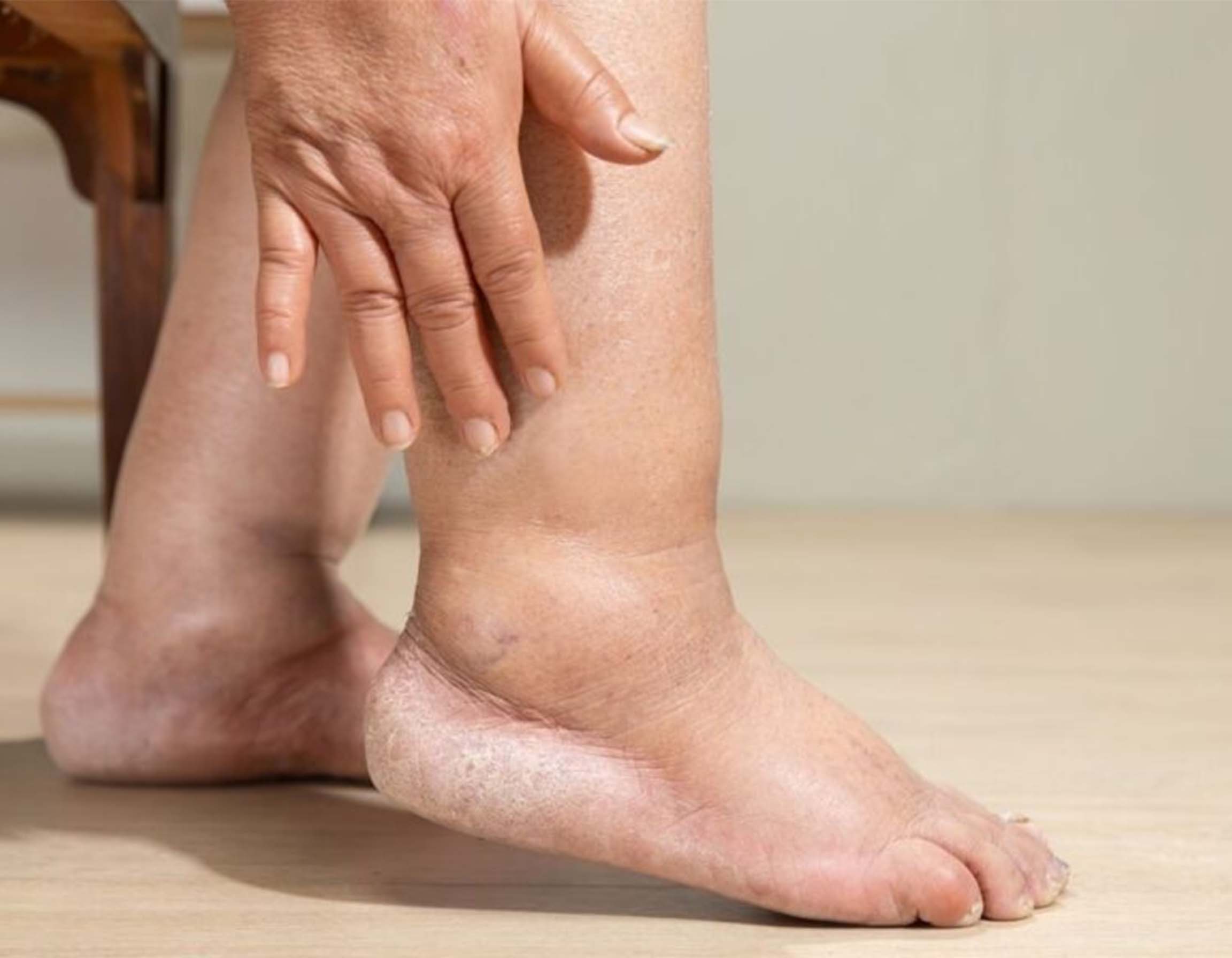

Lymphedema is a chronic condition where lymphatic fluid accumulates in the tissues, causing persistent swelling—most often in the arms or legs. It occurs when the lymphatic system fails to drain fluid effectively due to damage or developmental defects. Common lymphedema symptoms include swelling, heaviness, tightness, and reduced mobility in the affected limb.
Lymphedema causes may be congenital (primary lymphedema) or acquired after surgery, radiotherapy, infection, or injury (secondary lymphedema). Both types disrupt normal lymph flow, leading to fluid retention and tissue changes. Effective lymphedema treatment focuses on reducing swelling and preventing complications through compression therapy, manual drainage, and specialized lymphedema exercises that promote circulation. Understanding the types of lymphedema and managing it early through expert care helps maintain limb function and long-term quality of life.
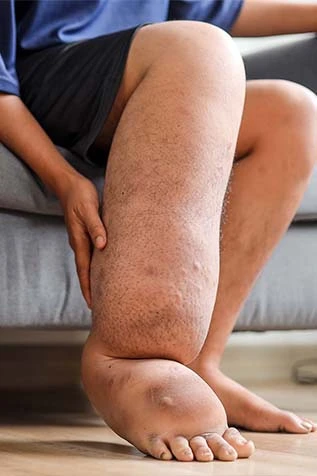
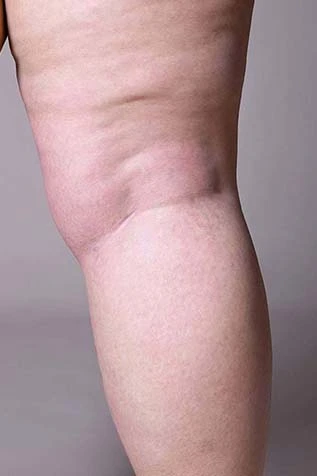
Removal or damage to lymph nodes during cancer or vein surgery.
Bacterial or parasitic infections blocking lymph flow.
Radiation therapy scarring lymph vessels
Excess fat compressing lymph vessels.
Trauma or burns damaging lymphatic pathways.
Inherited conditions causing poor lymphatic development
Caused by congenital or hereditary malformation of lymphatic vessels, leading to poor drainage from birth or developing later in life.
Results from damage or obstruction of lymphatic vessels due to surgery, radiation, trauma, or infection.
Occurs when chronic venous insufficiency increases pressure in the veins, overwhelming lymphatic drainage and causing swelling.
Develops when long-standing fat accumulation and inflammation impair lymph flow, resulting in combined fat and fluid swelling in the limbs.
Lymphedema diagnosis involves clinical evaluation and imaging tests to assess lymphatic flow and confirm the extent of fluid buildup.
A vascular or lymphatic specialist evaluates limb swelling, skin changes, and symptom history to identify lymphedema characteristics.
A specialized imaging test that tracks the movement of a radioactive dye through lymphatic vessels to detect blockages or impaired drainage.
There is no complete cure for lymphedema, but symptoms can be effectively controlled with proper management.
Use of compression bandages or garments to improve lymphatic flow and reduce swelling.
A specialized massage technique that stimulates lymph movement and decreases fluid buildup.
Targeted, low-impact movements that promote muscle activity and enhance lymph circulation in the affected limb.
Microsurgical procedures to improve the patient’s physiologic drainage of lymphatic fluid.
Lymphedema is a chronic yet manageable condition requiring lifelong attention to limb care and circulation. Recognizing lymphedema symptoms early and addressing lymphedema causes through timely care helps prevent progression. Regular lymphedema exercises, compression therapy, and decongestive techniques form the core of effective lymphedema treatment. With consistent management, awareness of types of lymphedema, and proper self-care, patients can maintain comfort, mobility, and long-term control over swelling.
Got a question?

No, but it can be effectively managed with therapy, compression, and lifestyle care.
Yes, light exercises like walking or swimming improve lymph flow and reduce swelling.
It can lead to severe swelling, skin thickening, and recurrent infections.
Early signs include swelling, heaviness, tightness, or decreased flexibility in the affected limb.
People who have had surgery, radiation, infection, or trauma affecting lymph nodes are at higher risk.