Diagnosis of Varicocele
Diagnosing a varicocele involves physical assessment and imaging to confirm abnormal vein enlargement and blood flow.
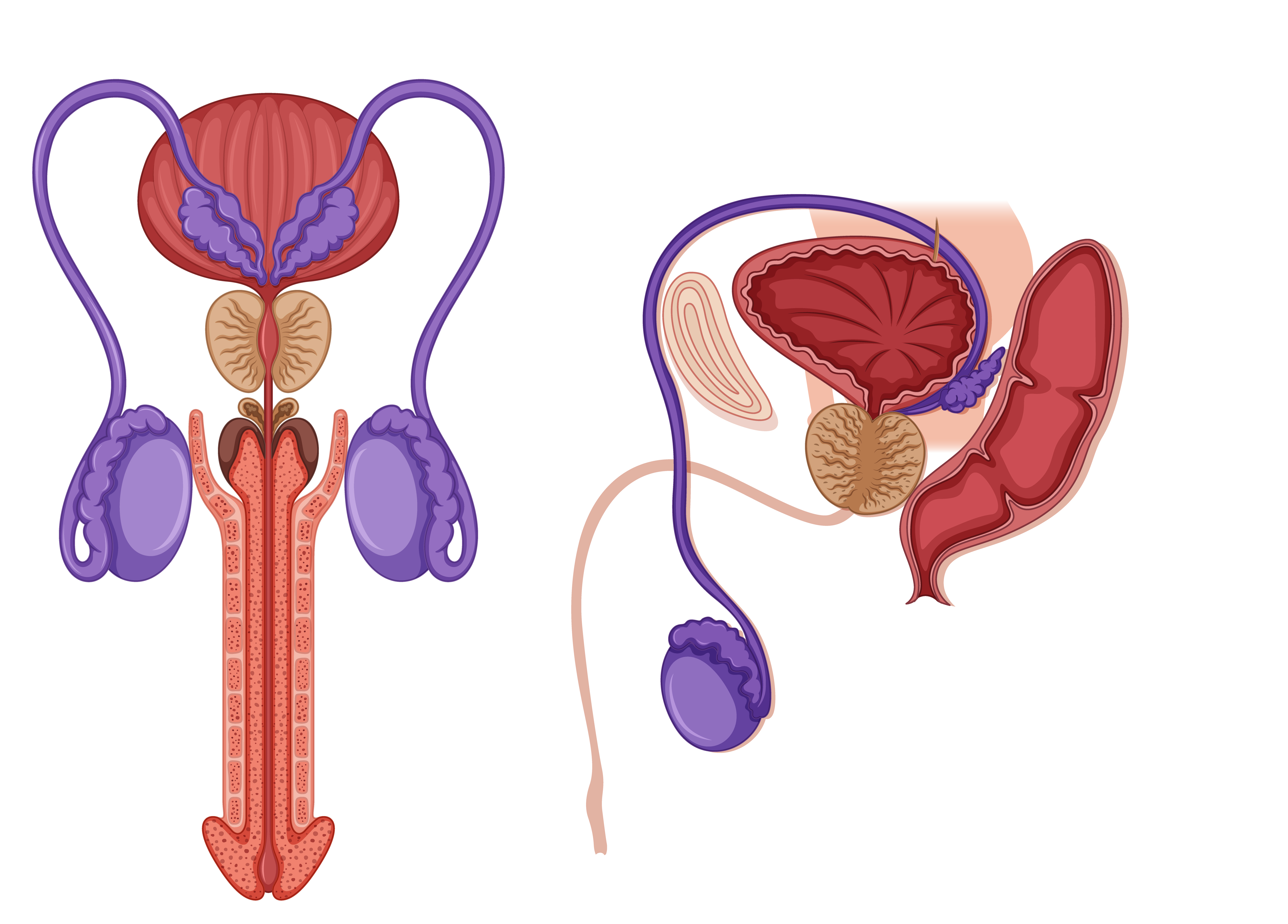

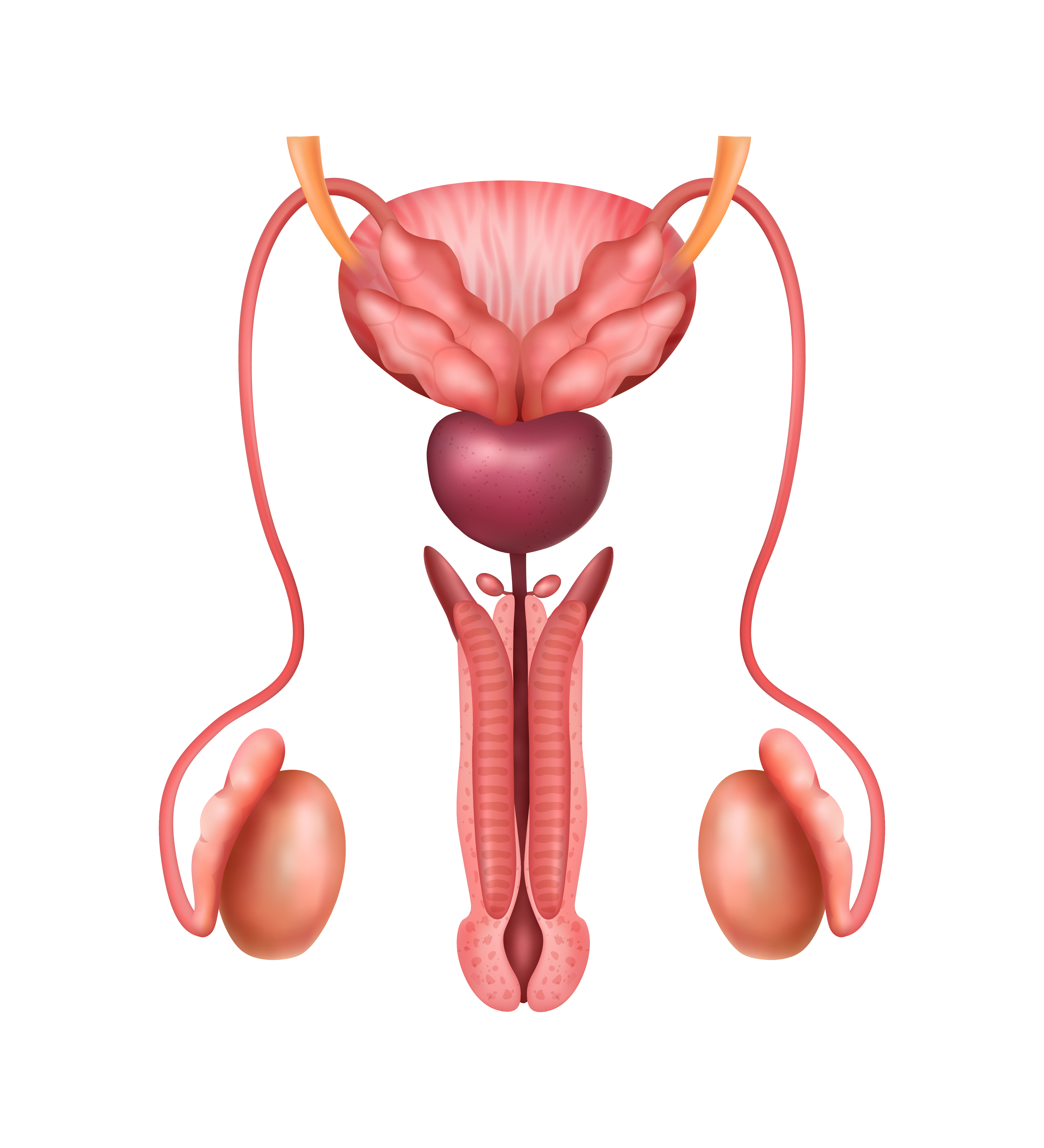
Varicocele is an abnormal dilation of the veins within the scrotum, often caused by malfunctioning vein valves that allow blood to pool. Common varicocele causes include faulty venous drainage and increased pressure in the testicular veins, particularly on the left side due to anatomical structure. While mild cases may not show obvious varicocele symptoms, men can experience a dragging pain, swelling, or a feeling of heaviness in the scrotum.
If left untreated, varicocele complications may include reduced sperm quality, testicular shrinkage, and infertility. Early varicocele management focuses on lifestyle adjustments, supportive garments, and regular monitoring. In persistent or painful cases, surgical varicocele treatment such as varicocelectomy or embolization helps restore normal circulation and fertility potential. Supportive varicocele home remedies, like avoiding prolonged standing, using scrotal support, and practicing gentle exercise can ease discomfort and support overall testicular health.

Faulty valves in the spermatic veins allow blood to pool, leading to vein enlargement.
Prolonged standing or heavy lifting raises pressure in the scrotal veins.
The left testicular vein drains at a sharper angle, making left-side varicoceles more common.
Family history of varicose or venous disorders increases susceptibility.
Abnormal testosterone or other hormone levels may impair vein wall strength.
Compression or blockage of the renal vein can restrict drainage and trigger varicocele formation
Small and not visible; felt only during a Valsalva maneuver (when straining).
Moderate enlargement; not visible but easily felt without straining.
Large and clearly visible through the scrotal skin; often associated with discomfort or fertility issues.
Not detectable by physical exam but identified through ultrasound or Doppler imaging.
Diagnosing a varicocele involves physical assessment and imaging to confirm abnormal vein enlargement and blood flow.
The doctor examines the scrotum while the patient stands or bears down gently (as if straining) to detect enlarged veins or swelling.
A non-invasive imaging test that visualizes dilated veins and measures blood flow reversal, confirming the presence and severity of the varicocele.
Mild cases are managed with scrotal support, pain relief medications, and lifestyle adjustments.
A surgical procedure where enlarged veins are tied off to redirect blood flow through healthy veins.
A minimally invasive method where coils or agents are inserted through a catheter to block abnormal veins.
A keyhole surgical technique using small incisions and a camera to locate and seal the affected veins.
Varicocele is a common yet treatable condition that often contributes to male infertility and scrotal discomfort. Recognizing varicocele symptoms early enables timely varicocele treatment, including surgical or minimally invasive options, to restore normal blood flow. With proper varicocele management, supportive care, and simple varicocele home remedies, men can achieve lasting comfort, improved reproductive health, and reduced risk of long-term varicocele complications.
Got a question?

No, many men with varicocele have normal fertility, but large or symptomatic varicoceles can affect sperm function.
Recurrence is rare with modern microsurgical or embolization techniques.
It is not life-threatening but can affect quality of life and fertility if untreated.
It occurs when faulty vein valves disrupt normal blood flow, causing blood to pool in the scrotal veins.
Symptoms may include scrotal pain, heaviness, or visible enlarged veins around the testicles.