Diagnosis of Varicose Veins
The Doctor usually begins with a visual and a physical examination, assessing vein patterns and swelling. Diagnosis methods include -

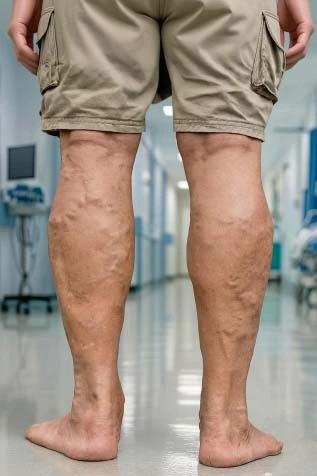
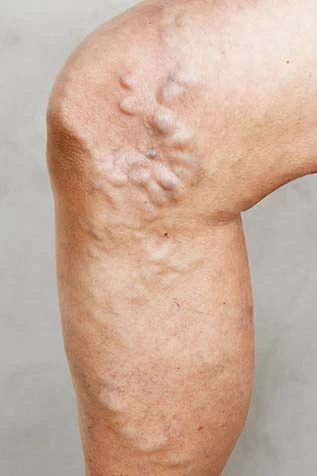
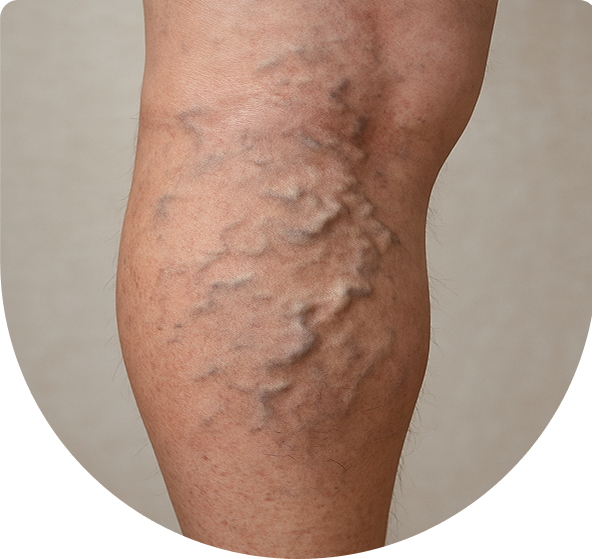
Varicose veins are enlarged, twisted veins that commonly appear on the legs and feet due to weakened vein valves that fail to push blood efficiently toward the heart. This leads to blood pooling, causing the veins to bulge and become visibly prominent under the skin. They form part of a broader varicose vein disease known as chronic venous insufficiency.
Common varicose veins symptoms include leg pain, heaviness, swelling, and skin discoloration. If untreated, complications like ulcers or bleeding may occur. Diagnosis involves a clinical exam and ultrasound imaging. Early varicose veins management includes compression stockings and lifestyle changes, while advanced cases may require varicose veins treatment such as laser therapy or sclerotherapy. Understanding varicose veins stages, types, and risk factors helps ensure timely care and long-term vascular health.
A family history of varicose veins increases your likelihood of developing them.
The risk rises as vein walls and valves weaken with advancing age.
Female hormonal changes, especially during menopause, affect vein elasticity.
Single or multiple pregnancies add pressure on leg veins, leading to enlargement.
Long hours of standing or sitting can hinder blood flow and strain veins.
Being overweight increases pressure on leg veins and weakens circulation.
arise from main superficial veins and appear as long, linear bulging veins.
smaller branches of the main veins.
network-like blue veins just under the skin.
fine, red or purple thread-like veins seen on the surface of the skin.
The Doctor usually begins with a visual and a physical examination, assessing vein patterns and swelling. Diagnosis methods include -
checks blood flow and detects valve problems.
to identify reflux, valve failure, and any obstruction
Weight management, avoiding prolonged standing or sitting, and elevating legs when resting
A chemical solution is injected into the vein, causing it to collapse and fade over time.
A laser fiber is inserted into the affected vein to seal it shut using heat energy, redirecting blood into healthy veins.
Reserved for severe cases, the affected veins are tied off or removed through small incisions.
Varicose veins are a common yet manageable varicose vein disease caused by weak vein valves and venous reflux. Though often mild at first, they can progress to pain, swelling, or skin changes. Advanced varicose veins treatments like laser therapy, radiofrequency ablation, sclerotherapy, and phlebectomy offer safe, lasting relief. With timely varicose veins diagnosis, proper management, and lifestyle care, patients can restore comfort and maintain long-term vascular health.
Got a question?

Most are not life-threatening, but untreated cases can lead to ulcers or clots.
They ease symptoms but do not correct faulty valves. Procedures are needed for permanent correction.
The treated vein stays closed, but new veins may become varicose over time if risk factors persist.
They develop from faulty vein valves, prolonged standing, obesity, pregnancy, or family history.
They can be managed through laser treatment, radiofrequency ablation, or sclerotherapy.