Diagnosis of leg-ulcers
Diagnosing venous leg ulcers involves assessing the underlying venous function and identifying factors that delay wound healing.


Venous leg ulcers are chronic, open sores that develop around the ankle or lower leg due to poor blood circulation and venous insufficiency. The primary leg ulcer causes include faulty vein valves that allow blood to pool in the legs, increasing pressure and damaging the skin and tissues. Common leg ulcer symptoms are swelling, pain, itching, dark skin discoloration, and fluid discharge.
Effective leg ulcer treatment involves cleaning the wound, using compression therapy, and improving circulation through medications or procedures. Leg ulcer healing stages progress from inflammation and tissue formation to skin regeneration. Supportive care like home remedies for leg ulcers—including leg elevation, a healthy diet, and gentle exercises for leg ulcers—can enhance recovery. Early diagnosis, vascular specialist care, and consistent wound management are key to preventing recurrence and restoring leg health.
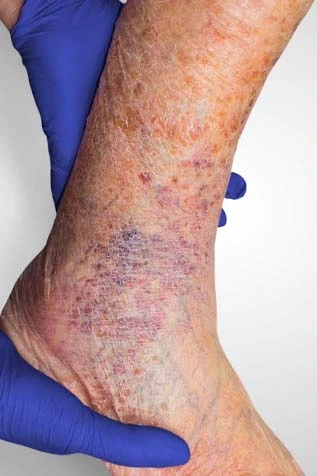
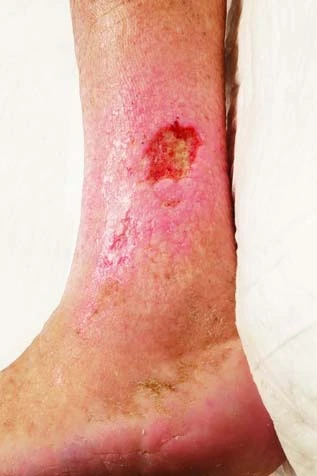
Faulty valves or obstruction in the leg veins.
Causing post‑thrombotic damage.
Increasing age, particularly in older adults.
Obesity and limited mobility.
History of leg fractures, surgery or trauma affecting venous return.
leading to sustained venous hypertension.
classic presentation with characteristic location and skin changes.
combined venous disease and peripheral arterial disease.
A previously active ulcer that has closed with treatment but remains at high risk for recurrence if venous issues persist.
Develops again in the same area after initial healing due to untreated or chronic venous insufficiency.
Diagnosing venous leg ulcers involves assessing the underlying venous function and identifying factors that delay wound healing.
A non-invasive test that measures blood flow and detects venous reflux or obstruction in the leg veins.
Compares blood pressure in the ankle and arm to differentiate venous ulcers from arterial or mixed ulcers before starting compression therapy.
Improves venous return, reduces swelling, and promotes ulcer healing through multilayer bandages or compression stockings.
Improves venous return, reduces swelling, and promotes ulcer healing through multilayer bandages or compression stockings.
Regular cleaning and use of sterile, moisture-balanced dressings to protect the ulcer.
Weight management, daily walking, leg elevation, and exercises for leg ulcers to enhance circulation.
Venous leg ulcers represent the advanced stage of chronic venous insufficiency, requiring comprehensive care for healing. Effective leg ulcer treatment combines meticulous wound management with correction of underlying venous issues through compression therapy or endovenous interventions. Consistent use of compression, proper lifestyle habits, and regular exercises for leg ulcers play a vital role in preventing recurrence and ensuring long-term vascular health and skin recovery.
Got a question?

Some small ulcers may improve with rest and simple dressings, but most require structured compression therapy and professional wound care to heal fully.
Recurrence is common if the underlying venous reflux or obstruction is not treated and if compression stockings are not used regularly after healing.
No. Venous ulcers are caused by high venous pressure, while diabetic ulcers are related to neuropathy and arterial disease. However, a person may have more than one cause for leg ulcers.
Not always. Many ulcers heal with compression and conservative care, but definitive venous treatments can reduce recurrence and improve long‑term outcomes..
Healing time varies. Small ulcers may heal in weeks, while larger or long‑standing ulcers can take several months, especially if other health issues are present.