Diagnosis of Uterine Fibroids
A doctor may suspect a uterine fibroid if the uterus feels enlarged or irregular during a routine pelvic examination
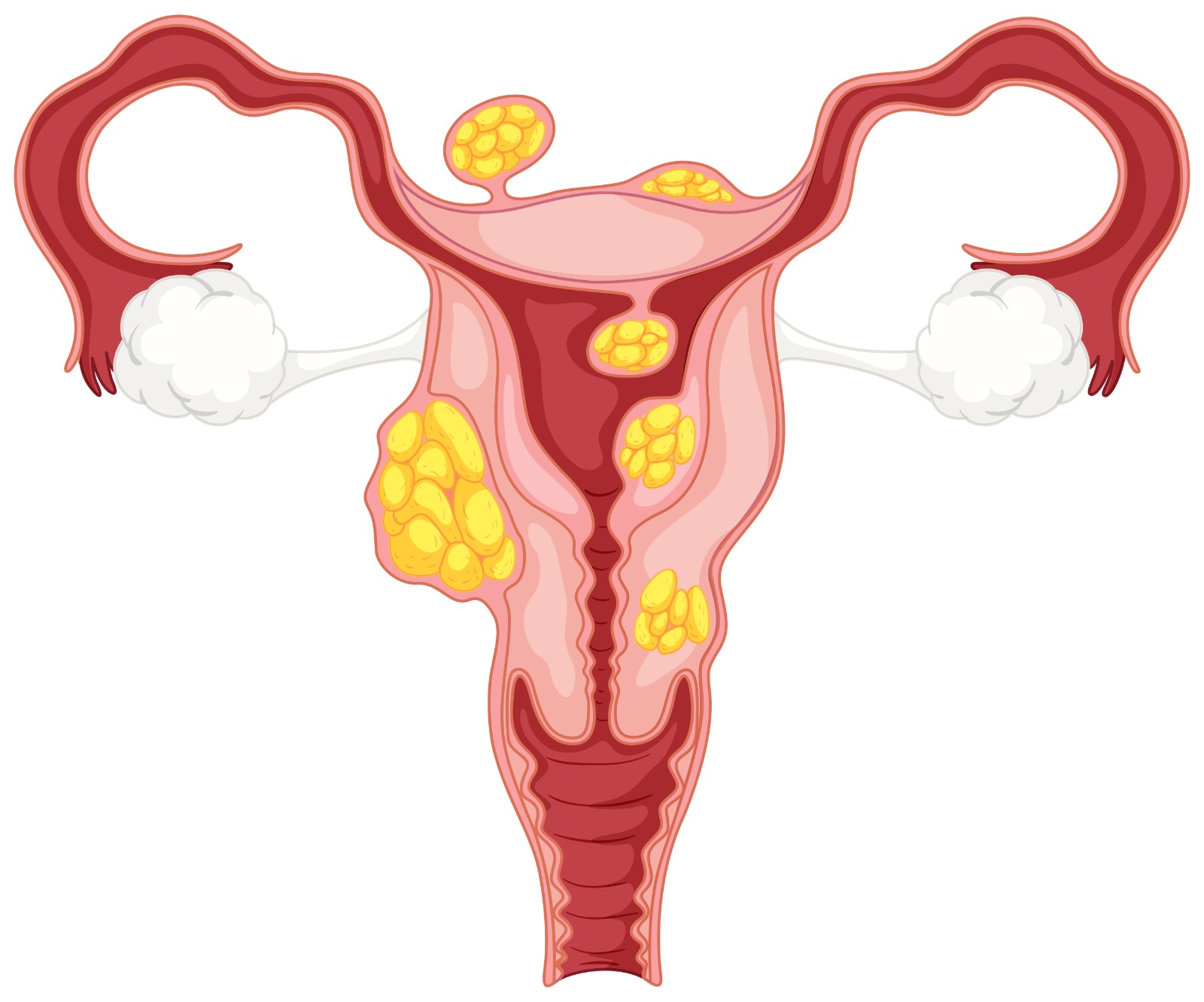

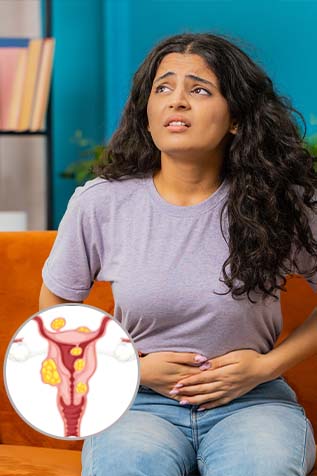
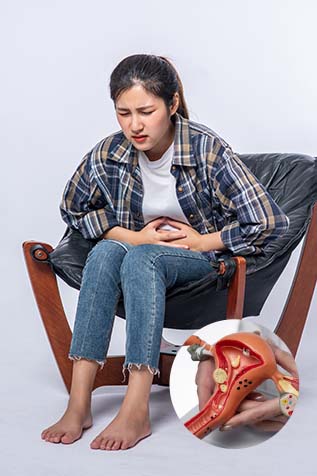
Uterine Fibroids (Leiomyomas) are non-cancerous growths that form in or around the uterus, arising from the smooth muscle tissue of the uterine wall. They are among the most common gynecological conditions in women of reproductive age. Common uterine fibroid symptoms include heavy menstrual bleeding, prolonged periods, pelvic pressure, frequent urination, and fertility difficulties.
There are several types of uterine fibroid, such as intramural, sub-serosal, submucosal, and pedunculated fibroids, each differing in location and impact. Accurate uterine fibroid diagnosis is made through pelvic examination, ultrasound, or MRI to determine size and number. Modern uterine fibroid treatment options include medication, minimally invasive procedures like Uterine Fibroid Embolization (UFE), and surgery when necessary. Preventive care through regular check-ups, hormonal balance, and maintaining a healthy lifestyle forms the basis of uterine fibroid prevention, supporting long-term reproductive wellness and symptom control.
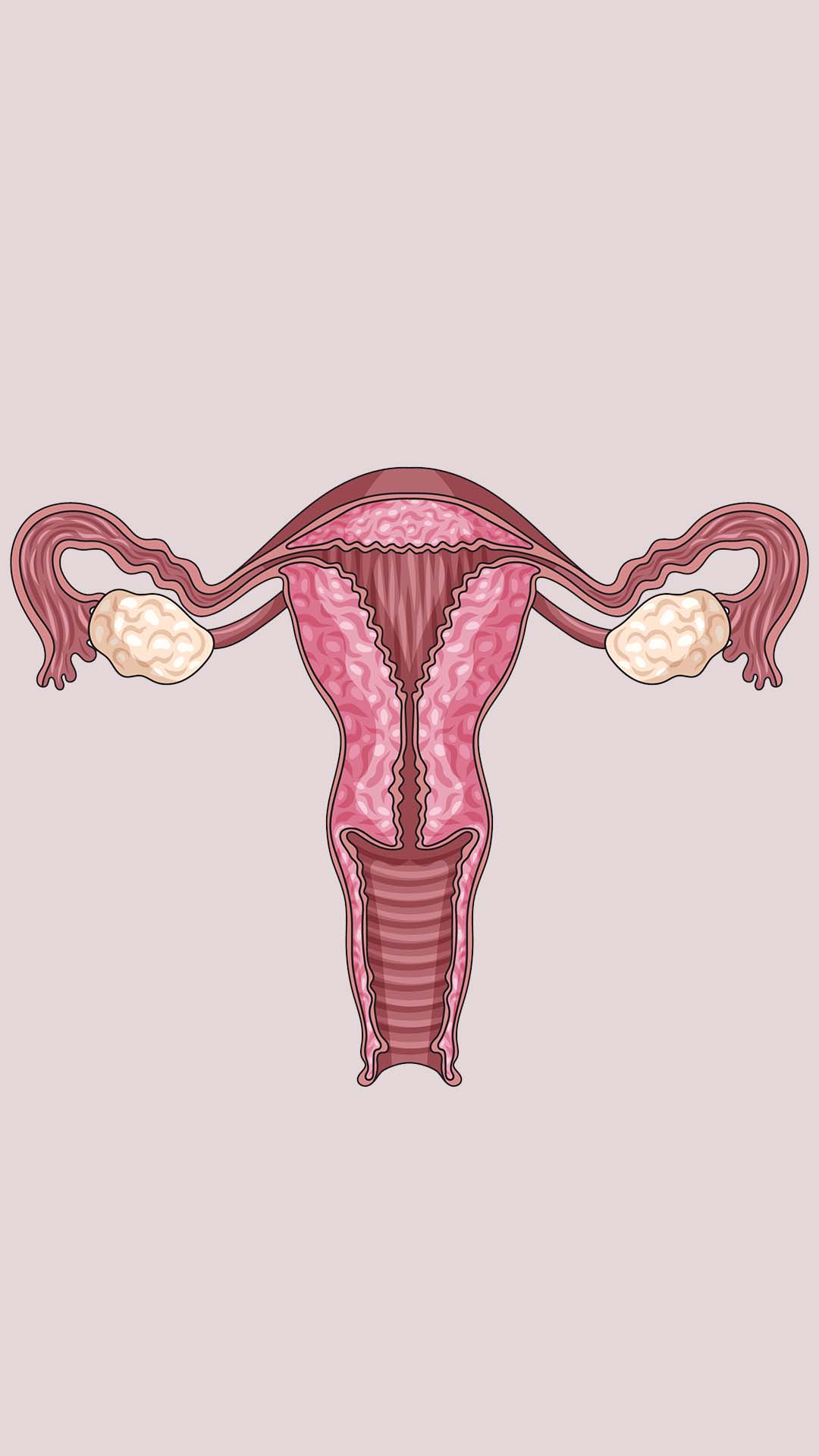
Elevated estrogen and progesterone levels stimulate fibroid growth.
Family history of fibroids increases the likelihood of developing them.
Most common in women aged 30–50, especially before menopause.
Excess body weight raises estrogen levels, promoting fibroid formation.
Starting periods at a younger age is linked to higher risk.
High red meat intake and low consumption of fruits or vegetables.
Develop within the muscular wall of the uterus.
Forms just beneath the inner lining of the uterus.
Grows on the outer surface of the uterus, can press on nearby organs.
Attached by a stalk inside or outside the uterus.
A doctor may suspect a uterine fibroid if the uterus feels enlarged or irregular during a routine pelvic examination
A non-invasive imaging test that uses sound waves to visualize the uterus.
Provides detailed images of the uterus to distinguish the types of uterine fibroid.
hormonal therapies to reduce bleeding or temporarily shrink fibroids.
a minimally invasive procedure where a catheter is guided into the uterine arteries, and embolic particles are injected to cut off blood supply to the fibroids.
A chemical injection therapy used to shrink or seal off the abnormal vessels by damaging their inner lining. It is commonly used for smaller or superficial AVMs, especially in the limbs.
complete removal of the uterus (definitive cure when fertility is not a concern).
Uterine fibroids are benign growths that can greatly affect a woman’s health and daily comfort. Modern uterine fibroid treatment options such as Uterine Fibroid Embolization provide effective relief without major surgery. Recognizing uterine fibroid symptoms early and seeking timely uterine fibroid diagnosis from a gynecologist or interventional radiologist ensures proper management, while healthy lifestyle practices support long-term uterine fibroid prevention and improved quality of life.
Got a question?

No, they are almost always benign and non-cancerous.
Fibroids may shrink after menopause due to reduced hormone levels.
They are linked to hormonal changes, genetics, and factors like obesity or early menstruation.
Common symptoms include heavy periods, pelvic pain, bloating, and frequent urination
They are usually detected through pelvic exams, ultrasounds, or MRI scans.