

 04-June-2026
category: varicose veins
04-June-2026
category: varicose veins
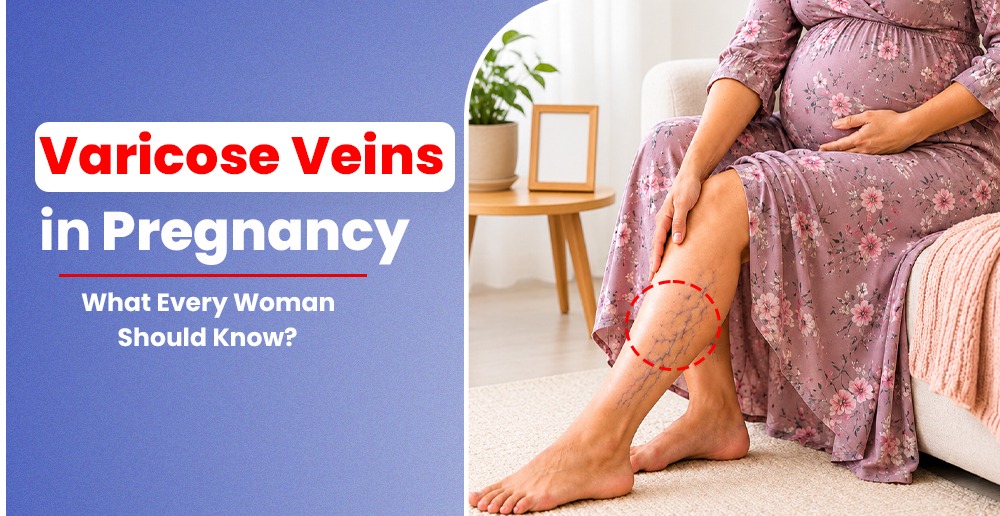
Pregnancy is a time of profound change in the body - and for many women, that includes the unwelcome appearance of varicose veins. Varicose veins are one of the most prevalent vascular symptoms among expectant mothers, with studies indicating that up to 40% of pregnant women experience them at some point.
Pregnancy-related varicose veins can be quite uncomfortable and, in certain situations, signal a need for medical attention, even though they are frequently written off as a cosmetic problem. Your pregnancy experience can be much improved by knowing why they happen, how to deal with them, and when to get help.
Pregnancy creates the perfect storm of conditions for varicose veins to develop or worsen. Several key physiological changes are responsible:
• Increased blood volume: During pregnancy, blood volume increases by up to 50%, putting more strain on vein walls and valves.
• Hormonal changes: High progesterone causes vein walls to relax and become less toned, which increases the risk of valve failure and blood pooling.
• Uterine pressure: The big vein that returns blood from the legs to the heart, the inferior vena cava, is compressed as the uterus expands, decreasing upward blood flow.
• Less physical activity: As pregnancy goes on, many women become less active, which slows the calf muscle pump that helps with venous return.
• Multiple pregnancies: The risk and severity of varicose veins are increased by the cumulative strain that each subsequent pregnancy places on vein valves.
Varicose veins during pregnancy most commonly appear in the legs, but can also develop in the vulva, buttocks, and inner thighs - areas that are often not discussed but are equally important to monitor.
Pregnancy-related varicose veins can range from mildly uncomfortable to significantly painful. Common symptoms include:
• Visible, twisted, or bulging blue or purple veins on the legs, thighs, or groin area
• Persistent heaviness, aching, or tiredness in the legs - especially by evening
• Swelling in the ankles and feet that worsens throughout the day
• Itching, burning, or throbbing sensations along the vein
• Nocturnal leg cramps that disrupt sleep
• Skin discolouration or a rash near the affected vein
• Pressure, fullness, or discomfort in the vulvar region (vulvar varicosities)
Symptoms typically worsen as the pregnancy advances and are most pronounced during the third trimester when uterine pressure and blood volume are at their peak.
For most women, pregnancy-related varicose veins are uncomfortable rather than dangerous. However, there are situations that warrant prompt medical attention:
Inflammation and clotting in a surface vein, causing redness, warmth, and firm tenderness along the vein
Pregnancy significantly raises DVT risk. Warning signs include sudden severe leg pain, swelling in one leg, or redness — seek immediate medical care
The skin over enlarged veins can become fragile; even minor trauma may cause heavy bleeding requiring urgent attention
Though usually harmless, significant vulvar vein enlargement should be monitored and discussed with your obstetrician before delivery.
 +91 72079 48545
Although they are frequent, varicose veins during pregnancy don't have to define your experience. Most women can effectively control their symptoms and have a healthy pregnancy with the correct combination of compression therapy, lifestyle modifications, and routine monitoring. The secret is to not write off discomfort as a typical aspect of pregnancy; early intervention and expert advice can have a big impact. Get in touch with a vascular specialist who can help you through every phase of your pregnancy journey if you observe any alarming changes or if your symptoms are interfering with your day-to-day activities.
Varicose veins can appear as early as the first trimester as blood volume begins to rise and progesterone levels climb. However, they are most commonly noticed during the second and third trimesters, when uterine pressure on the pelvic veins is at its greatest.
Varicose veins themselves do not directly harm the baby. However, complications such as deep vein thrombosis (DVT) can pose serious risks to both mother and baby. Any sudden increase in leg swelling, pain in one leg, or redness should be evaluated by a doctor without delay.
Most elective vein treatments such as laser ablation and sclerotherapy are postponed until after delivery and the completion of breastfeeding. Compression therapy, lifestyle modifications, and close monitoring are the recommended management approach during pregnancy.
Yes. Maternity-grade graduated compression stockings are safe and highly recommended throughout pregnancy. They help manage swelling, reduce discomfort, and lower the risk of DVT. Look for stockings with a compression level of 20 to 30 mmHg and choose maternity-specific designs that accommodate a growing belly.
Yes, most of the time. The venous valves are put under more stress with each pregnancy, and preexisting valve damage does not heal in between pregnancies. Varicose veins are more likely to appear earlier and be more severe in subsequent pregnancies in women who acquire them during their first pregnancy.