

 25-August-2026
category: varicose veins
25-August-2026
category: varicose veins
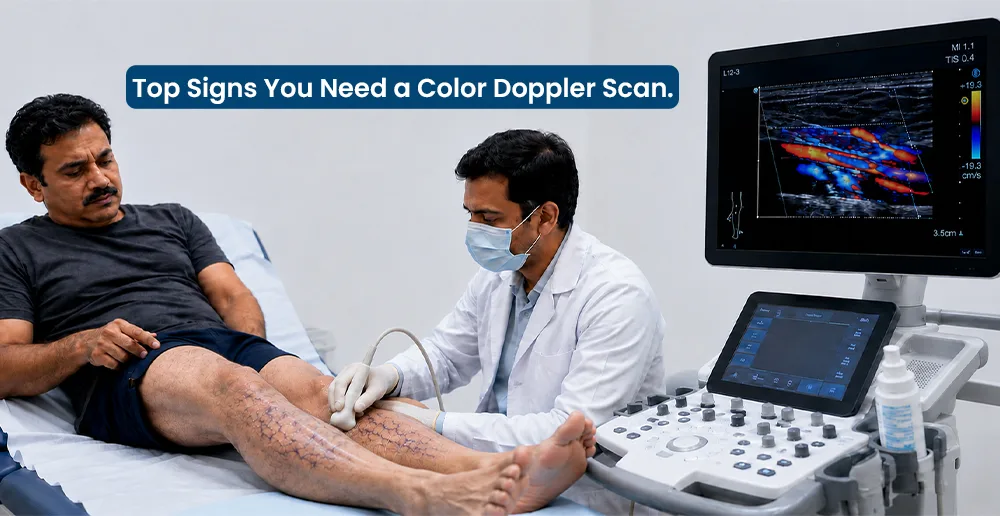
Many venous and circulation issues appear quietly, with symptoms that can be easily written off as fatigue, aging, or simply standing too long at work. With no needles, radiation, or downtime, a Color Doppler Screening tracks the direction, speed, and quality of blood flow in real time, making it the most dependable method of seeing what's actually occurring inside your veins and arteries. Knowing when to seek one can help identify a treatable issue before it worsens.
A Color Doppler Screening is a specialized ultrasound that shows blood flow via veins and arteries as color-coded movement on a screen by using sound waves. A vascular Doppler test determines whether blood is flowing normally, flowing backward through malfunctioning valves, moving too slowly, or blocked completely. This information is crucial for diagnosing varicose veins, deep vein thrombosis (DVT), and other circulatory conditions, in contrast to a standard ultrasound that only shows structure.
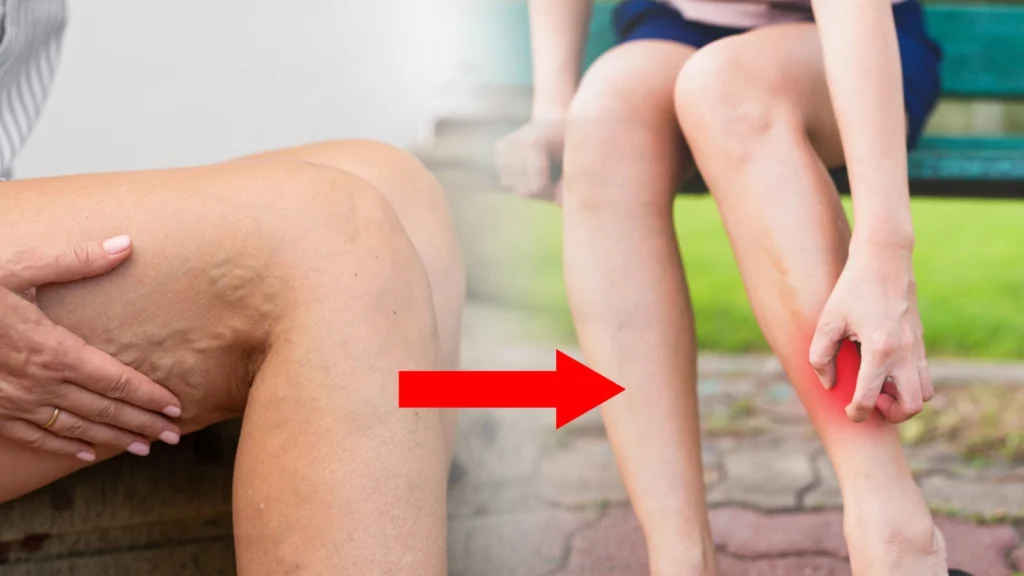
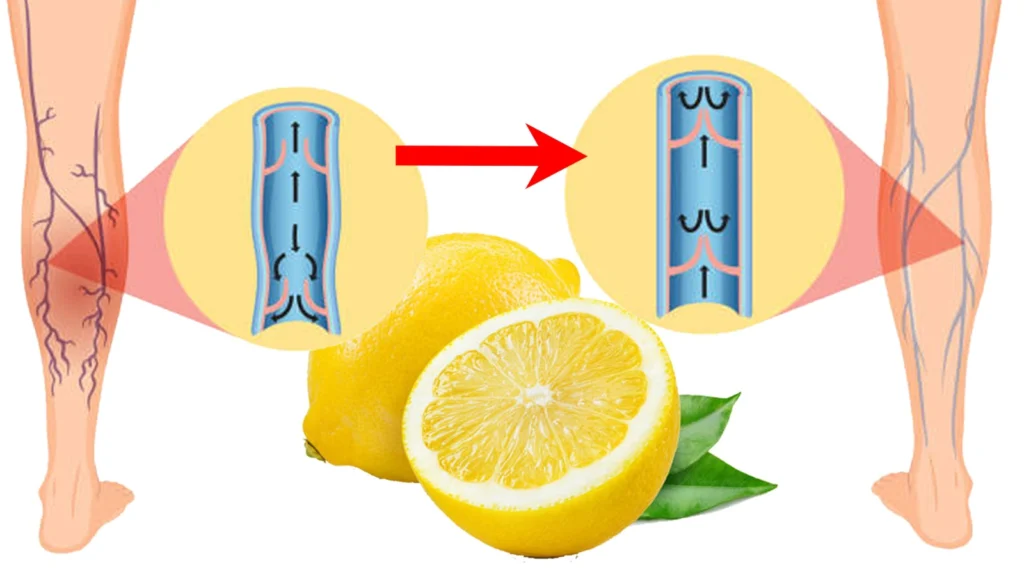
Visible varicose or spider veins: A Doppler Screening for varicose veins can confirm and map bulging, twisted, or web-like veins on the legs, which are frequently the first obvious indication of valve dysfunction.
• Persistent leg swelling: A clot or impaired venous return may be the cause of swelling that doesn't go away with rest, particularly if it affects only one leg.
• Leg pain, heaviness, or cramping: One common early sign of vein disease is a dull soreness, tightness, or cramping that gets worse during the day or after prolonged standing.
• Skin changes: Prolonged venous insufficiency may be indicated by discoloration, dryness, itching, or hardened skin around the ankles.
• Abrupt one-sided swelling accompanied by warmth or redness: This combination is a classic DVT warning sign that calls for an immediate Screening, not a wait-and-watch approach.
• Non-healing wounds or ulcers near the ankle: Slow-healing sores are frequently linked to poor circulation and need vascular evaluation.
• A family history of vein disease or clotting: Even in the absence of symptoms, a significant family history increases baseline risk and justifies a baseline Screening.
• Prolonged immobility, recent surgery, or long-distance travel are recognized risk factors for DVT, and any new leg pain or swelling should be evaluated right once.
Here’s how a Color Doppler Screening compares with the other ways vein and circulation issues are typically assessed:
| Test | What It Shows | Best Used For |
|---|---|---|
| Color Doppler Screening | Direction, speed, and quality of blood flow in veins and arteries | Varicose veins, DVT, valve reflux, vascular blockages |
| Standard Ultrasound | Structure and shape of tissues and vessels | General anatomy, lumps, organ imaging |
| Physical Examination | Visible or palpable signs only | Initial screening, not diagnosis |
| Blood Tests (D-dimer) | Presence of clotting activity in the body | Ruling clots in or out, not localising them |
A Color Doppler Screening doesn't require any extra preparation and is rapid and painless. While the screen shows real-time blood flow in color, a technician applies a little amount of gel and pushes a portable probe along the afflicted area. The majority of Screening take 20 to 40 minutes, and the results are usually discussed with a vascular specialist that same day, enabling prompt treatment planning if necessary.
 +91 72079 48545
Recognising the early indicators that call for a Color Doppler Screening is the first step toward healthier veins and better long-term circulation. In order to accurately detect varicose veins, DVT, and other vascular issues from the very first visit, Avis Hospitals provides sophisticated, radiation-free Color Doppler diagnostics that are carried out and assessed by skilled vascular specialists. Our Center makes it easy to go from doubt to a clear diagnosis- and the appropriate treatments, right away- with same-day reporting, individualized treatment planning, and a commitment to vein health.

No. There are no needles, radiation, or injections involved, and it is entirely painless and non-invasive.
A Color Doppler Screening especially displays the direction, speed, and pattern of blood flow, which is crucial for evaluating venous and circulation issues, whereas a standard ultrasound only displays structure and shape.
It's useful but not always required. In addition to professional consultations, many vascular centers, such as Avis Vascular Centre, provide direct Screening scheduling.
Many vascular centers occasionally host free or heavily discounted Doppler screening camps, especially for at-risk populations. Before making a reservation, it's advisable to verify the center's current offers directly.