

 08-August-2026
category: varicose veins
08-August-2026
category: varicose veins
For many years, "varicose vein surgery" required vein stripping while under general anesthesia, hospitalization, weeks of recuperation. Now, there are many other options and majority of patients are good candidates for non-surgical varicose vein treatments, which use a local anesthetic and a needle-sized entry point to shut the defective vein from the inside.
Here's a closer look at the contemporary, non-surgical solutions available today, such as radiofrequency ablation, one of the most successful and painless varicose vein treatments now in use. If the thought of "surgery" has been preventing you from seeking treatment you must read this.
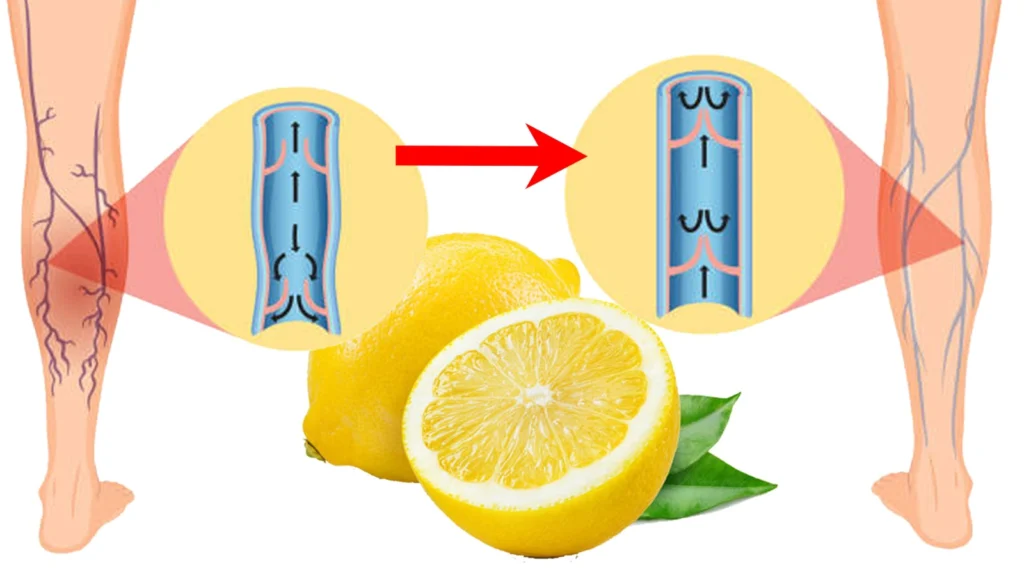
When the vein's internal valves deteriorate and allow blood to pool rather than return to the heart, varicose veins develop. Surgical vein removal is no longer necessary for modern vein treatment. Rather, blood merely reroutes through surrounding healthy veins as a result of minimally invasive procedures that seal the defective vein shut from the inside. The outcomes are comparabke to or better than those of standard surgery.
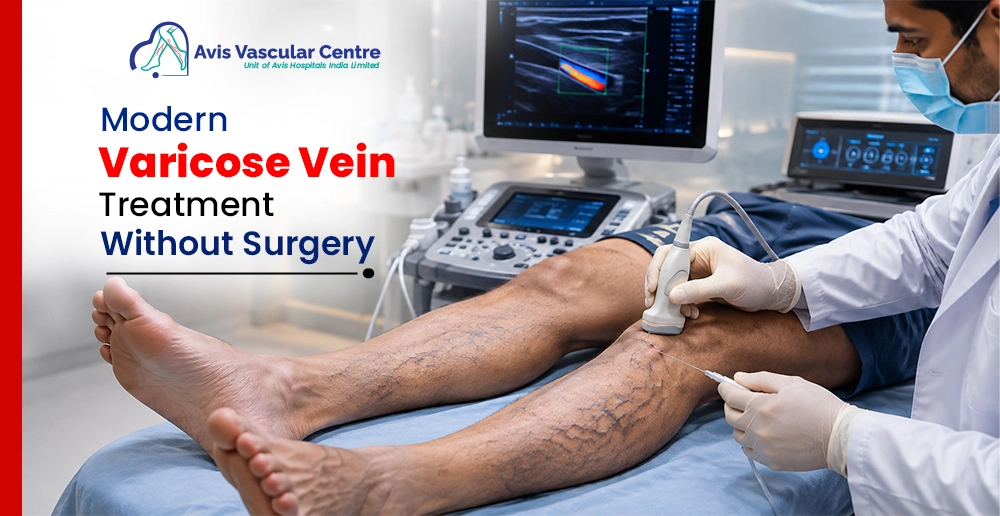
A small catheter is placed into the afflicted vein during radiofrequency ablation while being guided by ultrasonography. Rather than employing laser light, RFA uses regulated radiofrequency energy to heat and contract the collagen in the vein wall, causing the vein to close and eventually be reabsorbed by the body. The entire process, which usually takes 45 minutes, is carried out under local, tumescent anesthesia.
Because the heat delivery is gentler and more evenly controlled than laser energy, many patients report less post-procedure bruising and discomfort, making RFA a genuinely painless varicose vein treatment option for most people.
• Sclerotherapy: Small surface or spider veins are directly injected with a solution, which causes them to diminish and collapse over a few weeks
• Medical adhesive (cyanoacrylate) closure: The vein is sealed shut with a tiny quantity of medical-grade glue, frequently without the use of any tumescent anesthesia.
• Compression therapy: To improve circulation and lessen symptoms, it can be used in conjunction with treatments or alone in milder situations.
| Treatment | Best For | Anaesthesia | Recovery |
|---|---|---|---|
| Radiofrequency Ablation (RFA) | Medium-to-large trunk veins | Local, tumescent | Same day, 24–48 hrs |
| Endovenous Laser Treatment (EVLT) | Medium-to-large trunk veins | Local, tumescent | Same day, 24–48 hrs |
| Sclerotherapy | Small surface and spider veins | None needed | Immediate, walk-in walk-out |
| Traditional Vein Stripping | Extensive or recurrent disease | General or spinal | 1–2 weeks |
Patients only experience pressure or warmth during the surgery, not pain, because local tumescent anesthesia numbs the whole length of the treated vein. There is also minimal post-procedure pain because there are no surgical incisions; most patients are able to cope well with a compression stocking for the first few days and minor pain treatment.
Doctor Insight: “Patients often come in assuming surgery is their only option and are relieved to learn that radiofrequency ablation and laser treatment now close the same veins just as effectively, without a single incision. The technology has genuinely changed what recovery looks like.” — Vascular Specialist, Avis Vascular Centre
The majority of patients who have a Doppler ultrasonography that confirms valve reflux are candidates for RFA, EVLT, or a combination of non-surgical treatments. An ultrasound-based evaluation is always the initial step since very large, convoluted, or widely recurring varicose veins may occasionally still require a surgical opinion.
 +91 72079 48545
The operating table is no longer the exclusive option for modern vein therapy. The majority of people can treat their varicose veins without surgery, without general anesthesia, and with minimal recovery time using radiofrequency ablation, laser treatment, and sclerotherapy.
Under the direction of our eminent vascular and interventional radiologist Dr. Rajah Koppala, these
treatments are carried out very successfully at the cutting-edge
Avis Hospitals. Under
one roof, the center
provides a variety of laboratory and scanning services. Make an appointment for a consultation with our
skilled physicians by giving the facility a call.

Their success rates are comparable. Based on the results of your ultrasound, your specialist will propose EVLT for specific vein sizes, although RFA tends to cause slightly less bruising for some patients.
Although additional varicose veins may eventually form in other veins, the treated vein closes permanently, therefore regular monitoring is advised.
Most patients resume normal daily activity within 24–48 hours and can return to desk-based work the very next day.
Whether the veins are just cosmetic or symptomatic will determine your insurer's coverage. The billing desk of the clinic and your provider should be contacted directly.