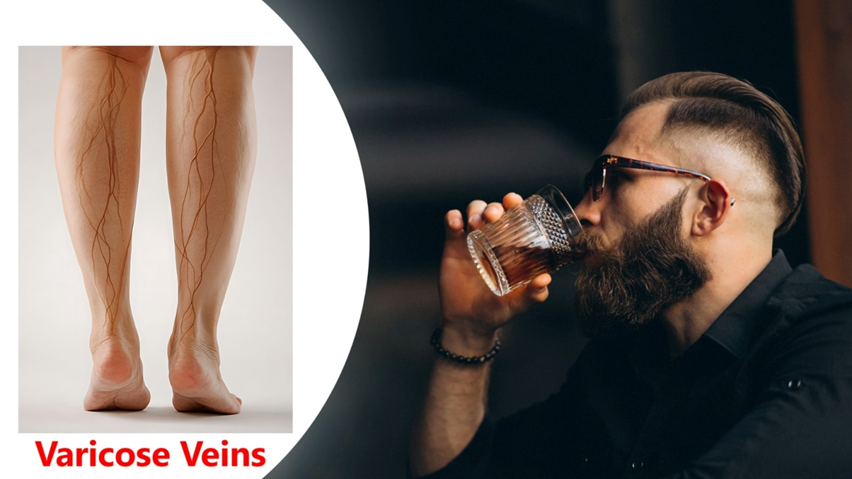
Alcohol consumption is a part of many cultures, with drinks after work a common phenomenon. While a glass of alcohol a day may not affect the human body negatively, excessive alcohol consumption can create havoc. Excessive drinking is known to damage the liver, heart and nervous system. However, there has been little knowledge of the circulatory system. Recent research studies are focusing on the relationship between alcohol and vein health. So, can excellent alcohol intake damage veins over time?
Studies show that excessive and continuous alcohol intake can impede blood circulation, increase inflammation and cause blood pressure to spike, all of which can negatively impact vein health. This article details the effects of excessive alcohol intake on vein health and if the damage is reversible.
Veins are an important component of the circulatory system and carry deoxygenated blood back to the heart.
The human body’s circulatory system is composed of three chief components or vital blood vessels- the arteries, veins and capillaries.
Arteries carry oxygenated blood from the heart to the various parts and tissues of the body.
Veins return deoxygenated blood back to the heart so that it can be oxygenated and circulated.
Capillaries are responsible for supplying nutrients and oxygen to the tissues present in the body.
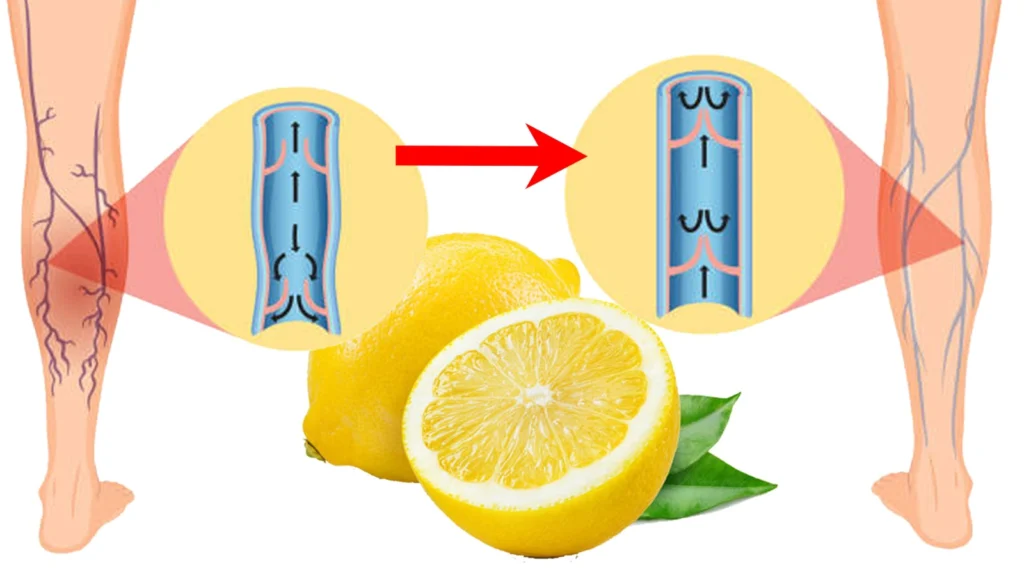
So, essentially, veins carry deoxygenated blood back to the heart. Veins contain small flap-like structures known as vein valves. These valves move in a single direction and facilitate the movement of blood in a single direction.
Veins in the lower extremities of the body, such as legs and fee,t work harder as they work against gravity to pump blood. For this reason, veins in legs, feet and ankles are often affected with conditions like venous insufficiency and varicose veins when the veins get damaged or the vein walls and valves fail to function properly.
Veins are responsible for carrying blood to the heart. Vein damage can cause issues with the blood flow, which may lead to pooling of blood in the veins or clot formation.
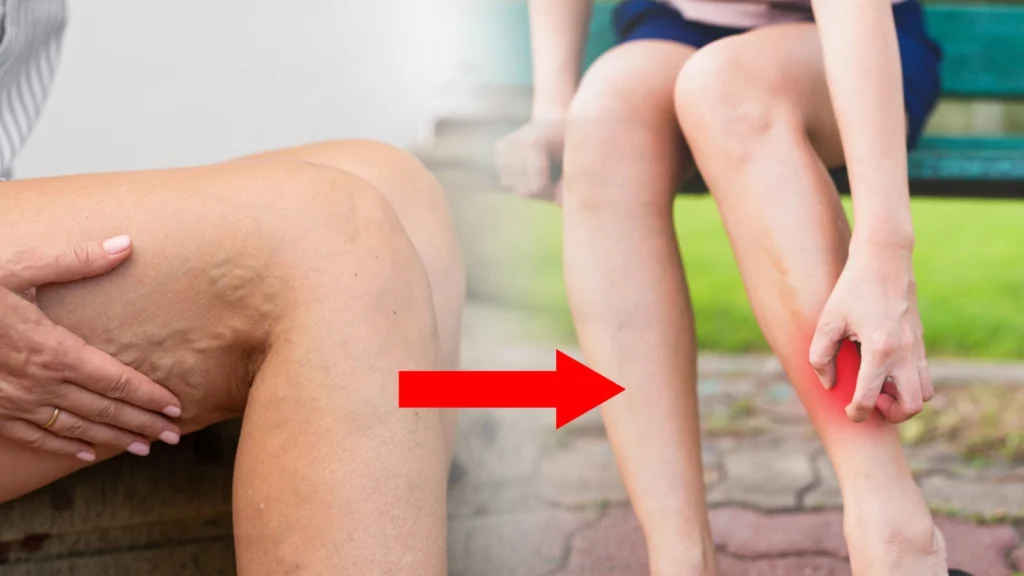
One of the common reasons for vein damage is problems with the vein valves or walls. Damaged or malfunctioning vein walls and valves fail to pump blood to the heart. The blood which is unable to move forward may pool up within the veins. Veins become swollen and twisted, leading to the formation of varicose veins.
Over time, the veins in the legs fail to pump blood back to the heart, leading to leg swelling, pain, heaviness and discomfort. This condition is known as chronic venous insufficiency. Long-standing and untreated chronic venous insufficiency and varicose veins can result in the formation of ulcers, which can take time to heal and even start bleeding. This is a serious condition and needs immediate consultation with a varicose veins expert or a surgeon.
Clot formations are also possible with vein damage due to poor blood circulation. Clots can form either in the superficial veins or in the deep-seated veins. Superficial vein clots can show symptoms such as pain, swelling and redness. Though such clots are not dangerous, they need immediate medical attention.
Clots in the deeper veins are more dangerous. Deep vein thrombosis is often a consequence of such clots. The clot can break, travel to the lungs along with the blood flow, get lodged in the lungs and can turn life-threatening.
Damaged veins can lead to multiple problems, which can turn into serious health complications if not addressed in time.
Drinking small amounts of alcohol occasionally may not affect the body. However, excessive alcohol intake can pose serious risks.
Alcohol, as it travels through the bloodstream, impacts various body organs.
The first organ to get affected is the brain. Alcohol slows down thinking and judgment, causes confusion and brain fog, and impairs the ability to make judgments.
Next commonly affected organ is the liver. The liver performs the functioning of filtering the blood, processing nutrients and sending toxins and wastes to the excretory organs. When you consume alcohol, the liver breaks it down. However, excessive alcohol in the blood can place too much stress on the liver resulting in conditions such as fatty liver and cirrhosis.
The digestive and immune systems get affected and fail to function properly. Individuals suffer from weight gain, poor sleep patterns, metabolism issues, loss of appetite, anxiety and depression.
The heart is another important organ that can be significantly affected by excessive alcohol intake.
Alcohol can cause an increase in blood pressure, which can cause heart attacks and strokes. The muscles in the heart can get weakened with continuous alcohol consumption, leading to cardiomyopathy, where the heart is unable to pump blood properly. This can even lead to heart failure.
Excessive alcohol can also increase the levels of triglycerides, leading to hypertension and heart disease.
Consuming small amounts of alcohol may not affect the veins. However, excessive alcohol intake can cause damage.
Too much alcohol can cause veins to constrict. As the veins narrow, the heart has to work harder to pump blood. This results in an increase in blood pressure.
Constriction of veins can increase the chances of blood pooling up resulting in the formation of varicose veins.
As the veins narrow, the tissues surrounding them get deprived of oxygen and nutrient supply, leading to skin changes such as skin discolouration and hardening.
.
Alcohol acts as a diuretic, meaning that it increases urination. This leads to fluid loss from the body, which causes dehydration. Dehydration leads to reduced blood viscosity, due to which blood is unable to flow effectively through the veins.
The liver works harder to process the blood and break down alcohol. This process also results in a reduction in blood viscosity.
Lowered blood viscosity, over time, can also result in blood clot formation, apart from hampering normal blood flow.
Alcohol consumption initially constricts blood circulation. Over time, continued alcohol consumption can cause blood vessel dilation. While constriction causes blood pooling and may cause varicose veins, dilation can reduce blood pressure, slow down circulation and put pressure on the circulatory system, which can affect the vein health.
Excessive and long-term alcohol intake can cause systemic and chronic inflammation. This can damage the cells lining the inner wall of the veins, known as the endothelial cells.
Damage to the endothelium and its cells can reduce the vein wall strength and elasticity, making it difficult for blood to flow through. Blood pooling results in conditions such as varicose veins.
Hampered blood flow in the veins reduced the supply of oxygen and nutrients to the veins and the tissues surrounding them. This affects the vein health and the health of the surrounding cells and tissues.
Chronic alcoholism also interferes with the absorption of essential vital nutrients such as B-complex vitamins, vitamin C and vitamin K. These nutrients are essential for vein strength and elasticity, RBC production and blood coagulation. Deficiency of these vitamins can affect the health of blood vessels and result in anaemia and the formation of blood clots.
Regular alcohol consumption can cause excessive weight gain. Obesity and poor lifestyle choices are the leading causes for developing vein-related conditions such as varicose veins. Alcoholics also generally fail to care for their health and fitness, which may affect their vein health and exacerbate current vein-related diseases. Excessive alcohol intake may not show a direct, immediate effect on vein health. However, it can damage the vein health over time. The ill effects of alcohol may be reversed to a certain extent by taking necessary precautions at the right time.
Complete reversal of vein damage may not be possible in the case of chronic alcoholics. However, further damage to the veins and the worsening of the existing vein diseases can be mitigated by taking a few precautions. Here is how you can prevent and mitigate vein damage from excessive alcohol intake.
It is never too late to quit alcohol, especially when you are young. Quitting alcohol can reverse some damage to the veins in younger people, where the body is still capable of repairing and renewing its cells and tissues. However, this capability may go down as you age. In all cases, limiting or quitting alcohol is a great first step to stop vein damage and prevent damaging effects such as varicose veins.
Staying hydrated while quitting alcohol can help replenish fluids and minerals and improve blood viscosity and blood circulation. These, in turn, ensure oxygen and nutrition supply to the tissues and cells, which may prevent further vein damage.
Walking, jogging, cycling and swimming are some exercises which are excellent for vein health. These exercises provide movement to the calf muscles, which, in turn, encourage the contraction and relaxation of the veins in the lower part of the body. This helps improve blood circulation and may arrest the worsening of vein damage.
Including vein-friendly foods in the diet is a simple and effective way to prevent further vein damage and initiate the repair of cells and tissues. A diet rich in whole grains, dietary fibre, fresh fruits and vegetables, leafy vegetables and foods with antioxidants and anti-inflammatory properties is excellent for maintaining the strength and elasticity of veins and restoring vein health to some extent. Other interventions such as leg elevation, compression stockings and nutrition supplements, as suggested by the varicose vein expert, may help maintain vein health and prevent further damage.
 +91 72079 48545
Excessive alcohol intake can damage veins over time, especially among individuals who are at a high risk due to conditions such as family history, obesity and advancing age. If you are experiencing symptoms such as persistent swelling and pain in the legs, swollen and twisted veins which are visible under the skin, leg heaviness and discomfort, skin changes or formation of ulcers on the legs, you may need to consult a vein specialist. The varicose veins specialists at Avis Hospitals are trained to handle vein-related diseases such as varicose veins and venous insufficiency through a combination of physical examination, tests and minimally invasive treatment protocols that take relatively less time to heal.

Regular excessive consumption of alcohol may impede blood circulation, increase clot formation and damage vein strength and elasticity. Individuals at high risk of developing vein-related diseases due to genetics, obesity, hormone factors, etc., may suffer vein damage even with moderate alcohol consumption and must be mindful of how much alcohol they are drinking.
The liver is the most damaged organ due to alcohol consumption. The liver breaks down alcohol. When alcohol consumption is higher, the liver fails to break down alcohol efficiently. Additional stress on the liver can lead to conditions like fatty liver and liver cirrhosis.
Women should have no more than one drink a day, and men should have no more than two drinks a day. This is as per the 2020-20205 US dietary guidelines. However, these figures are average per-person numbers. Some individuals may need to consume less alcohol or quit completely if facing any underlying health issues. A medical practitioner will be able to provide the correct guidance.