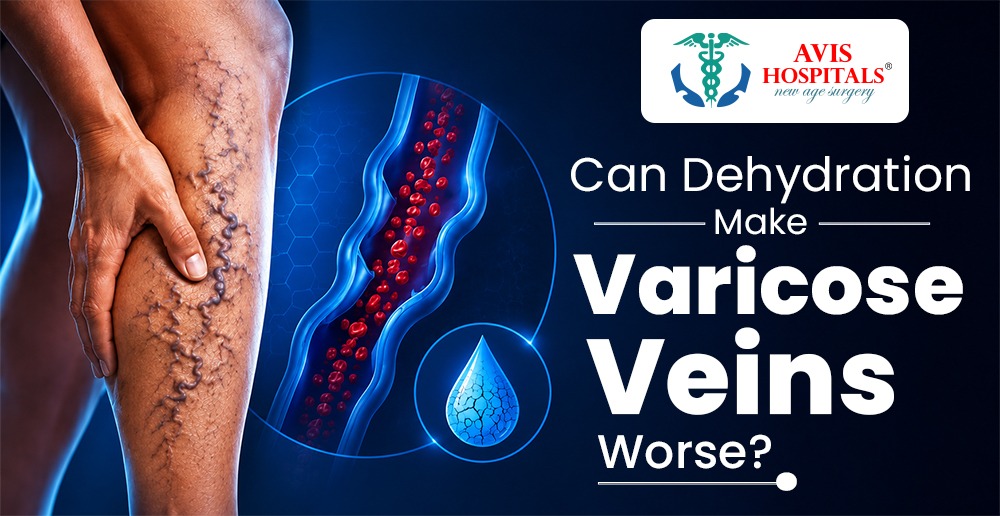
It's easy to overlook thirst as a minor inconvenience—a dry mouth, a mid-afternoon droop. However, for anyone with varicose veins, persistent dehydration is causing far more damage than you realize.
Yes, dehydration can worsen varicose veins. It thickens the blood, inhibits circulation, and exacerbates the heaviness, cramping, and edema that varicose vein sufferers already experience. Here's how the link between dehydration and varicose veins works, and what you can do about it.
Approximately half of your blood is water. When you don't drink enough, your plasma volume decreases and your blood thickens and becomes more viscous, much like syrup instead of water flowing through a pipe. The heart has to work harder, circulation slows, and veins in the legs (which are already fighting gravity to push blood upward) strain even more.
In healthy veins, this may result in transient weariness or cramp. The effect is exacerbated in varicose veins, where valves are already weak and blood tends to accumulate. Sluggish circulation leads to more pooling, increased pressure on vein walls, and more apparent bulging.
When you're dehydrated, three things occur within your circulatory system:
• Increased blood viscosity makes it difficult for veins to return blood to the heart.
• To compensate for fluid loss, the body stores sodium, causing tissue swelling.
• Risk of clot formation in deep vein thrombosis (DVT) increases.
For varicose vein patients, all three impacts lead to the same result: worsening symptoms and an increased risk of complications.
| Hydration State | What Happens in Veins | Impact on Varicose Veins |
|---|---|---|
| Well hydrated | Blood flows freely | Symptoms minimised |
| Mildly dehydrated | Blood thickens slightly | Heaviness, mild cramps |
| Moderately dehydrated | Sluggish circulation | Swelling, throbbing |
| Severely dehydrated | High clotting risk | DVT risk increases |
• Progressive leg heaviness or soreness throughout the day.
• Night cramps, particularly in calves.
• Prominent bulge.
• Swollen ankles in the evening.
• Restless legs disrupting sleep.
Adults should drink 2 to 3 litres of water per day, with adjustments made for climate, body weight, and activity. The upper end is more feasible in hot, humid cities like Mumbai, as well as for individuals who exercise regularly. Instead of gulping big amounts all at once, spread your intake throughout the day – frequent, steady sips keep blood volume regular.
Hydrate with potassium-rich meals (bananas, coconut water, leafy greens), limit caffeine and alcohol intake, and supplement with electrolytes if you sweat excessively. Compression stockings, frequent exercise, and elevating your legs at the end of the day round out the picture.
If your symptoms persist after adequate water and lifestyle adjustments, the underlying valve damage warrants medical attention. Varicose veins are progressive and do not reverse on their own. A venous Doppler ultrasound can reveal which valves are failing and guide treatment, including sclerotherapy, laser ablation, and newer non-surgical treatments.
 +91 72079 48545
At Avis Hospitals patients are reassured by Dr. Rajah V. Koppala that contemporary varicose vein therapies are significantly more comfortable, safe, and minimally invasive than conventional surgery. Personalized planning and accurate diagnosis are crucial. Instead of using a one-size-fits-all strategy, treatment choices at Avis are focused on patient comfort, medical necessity, and the severity of symptoms.
A professional consultation might help you feel more confident and clearer about your options if you are unclear. The first step to selecting the best course of action and recovering healthy, pain-free legs is to understand your veins. Book a free Doppler scan at Avis Vascular Centre and receive a clear, painless diagnosis from India's top vein doctors.

No. Hydration relieves symptoms and slows advancement, but it cannot heal damaged valves.
Even modest dehydration can aggravate heaviness and cramping within hours, especially in hot weather.
Only during strenuous exertion or significant perspiration. Plain water is the greatest option for daily hydration.
Partially. They add fluid, but caffeine has a moderate diuretic impact, therefore they should not be used instead of ordinary water.