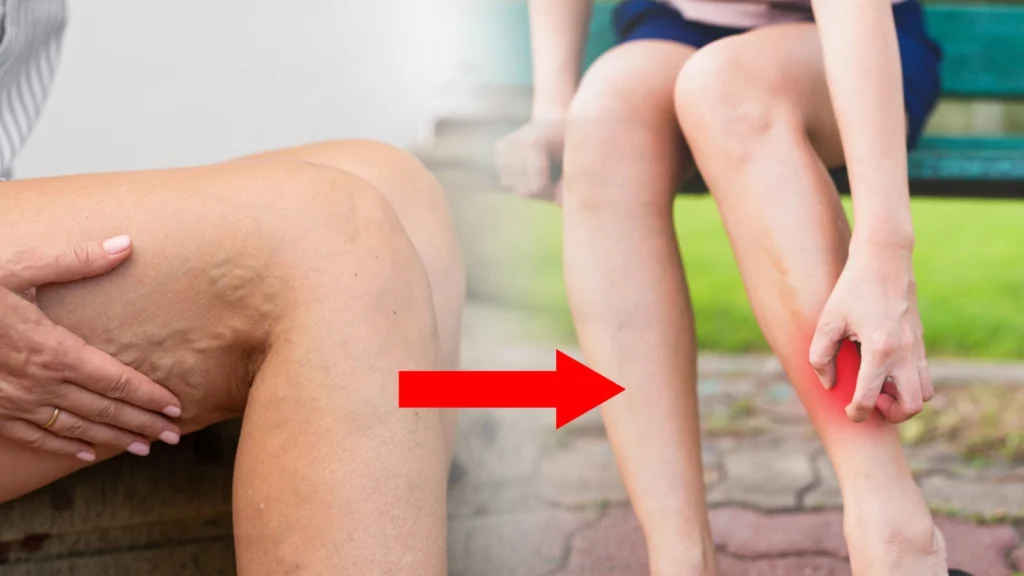
Varicose veins or swollen twisted veins occur in the body when the veins are unable to pump blood efficiently back to the heart. Malfunctioning vein walls or valves fail to push the blood resulting in the blood accumulating in the veins. Varicose veins are common in older people and women. However, even young adults are known to suffer from this condition. Genetics, lifestyle, hormones and poor lifestyle choices are considered key contributors to develop varicosity. However, a lesser known factor that can influence varicose veins is dehydration. So how can dehydration contribute to varicose veins?
Hydration is known to influence blood circulation. Can hydration affect vein health? And can dehydration contribute to varicose veins? This article explores the relationship between hydration and vein health and whether dehydration can increase the chances of developing varicose veins.

Varicose veins are twisted swollen veins that appear below the skin. They can be superficial and be of cosmetic nature affecting the appearance of the areas where they occur which is most commonly in the legs and feet. Some of them can occur deeper too.
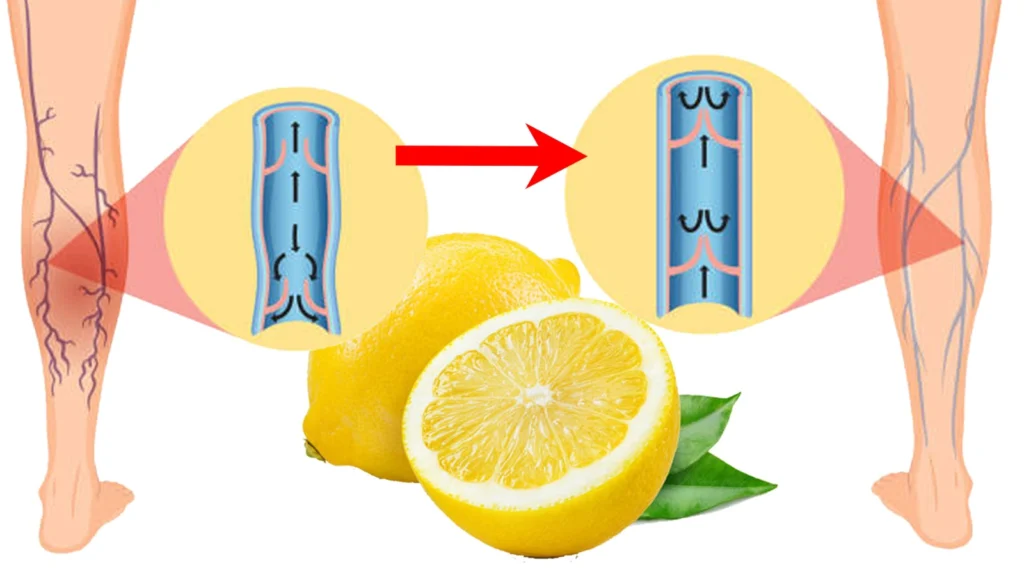
Varicosity occurs when the blood is unable to flow properly and pools up in the vein. A vein is a blood vessel and is a part of the circulatory system along with arteries and capillaries. Together, they function to transport blood back and forth from the heart to all parts of the body.
Veins have valves which move in one direction and regulate flow of the blood from various parts of the body back to the heart for oxygenation. When these vein valves or walls get damaged or malfunction, they fail to regulate the blood flow. Blood pools within the vein causing it to swell and start changing color.
The areas and tissues surrounding the varicose veins also start experiencing damage due to lack of nutrition and oxygen supply. As a result, many suffering from varicose veins may experience symptoms such as pain, inflammation, heaviness, skin changes such as itching, irritation, skin color changes and skin hardening. Cramping, burning and restless legs are also common for those suffering from varicose veins.
Water is an important component of the blood. In fact, nearly 90% of blood plasma is composed of water.
Hydration is the process ensuring that the body gets enough water for performing various functions. You can hydrate your body by drinking water, fluids, juices, smoothies and eating hydrating fruits and vegetables such as water and cucumber.
Hydration is vital for the body and performs many vital functions such as:
Hydration helps blood circulation by regulating and maintaining blood volume, blood viscosity and above all heart health.
We know that blood plasma is mostly made up of water. Proper hydration ensures that there is proper blood volume which in turn encourages proper blood circulation.
.
To ensure proper blood flow, the blood needs to be of right viscosity which can be ensured through proper hydration. Dehydration can reduce blood viscosity which can thicken the blood and increase the risk of clot formations.
When the blood volume and viscosity are regulated the heart will work efficiently in pumping blood to all the parts of the body. Hydration can ensure both. Dehydration can reduce the blood volume and viscosity which can put strain on the heart. The heart may have to work harder to pump blood leading to heart conditions such as hypertension. Hydration is also essential for vein health. Hydration helps vein health by maintaining blood circulation, preventing blood clots, maintaining vein elasticity and supporting muscle functioning.
Hydration maintains blood viscosity which allows it to easily flow through the blood vessels. If the body is not properly hydrated, blood can get thicker and find it difficult to move through the blood vessels. This can lead to various conditions such as varicose veins.
Thicker blood has a higher risk of forming blood clots which can lead to conditions such as deep vein thrombosis. Hydration prevents such complications by maintaining blood viscosity.
Hydration ensures the supply of nutrients such as amino acids to the muscles which are vital for their functioning. When muscles function well, they can support the contraction and relaxation movements of the veins which are essential for vein functioning. The muscle functioning in the lower parts of the body such as legs, ankles and feet is vital to prevent blood pooling which may result in conditions such as varicose veins. Hydration is vital for maintaining blood circulation and vein health, both of which are important for preventing conditions such as varicose veins.
Dehydration happens when the body doesn’t have enough water or fluids to perform the basic functions such as maintaining blood viscosity and ensuring blood circulation. Dehydration can contribute to varicose veins by lowered blood volume, increased blood viscosity, poor blood flow to the heart, increased venous pressure and impaired muscle functioning.
Varicose veins occur when blood is unable to flow back to the heart and get accumulated in the veins. While malfunctioning or damaged vein walls and valves may hamper blood circulation, lower blood volume can exacerbate the condition further worsening varicosity or encouraging the formation of new varicose veins.
Poor Blood Flow to the Heart Dehydration makes it difficult for blood to travel back to the heart. This becomes even more difficult for veins in the lower parts of the body such as legs, ankles and feet since the veins have to work against gravity to push blood up to the heart.
As the blood struggles to flow back to the heart due to low volume and viscosity, venous pressure may increase. This may result in the worsening of the existing varicose veins or the formation of new ones
Dehydration can lead to poor muscle functioning. Impaired functioning of the calf muscles may result in reduced functioning of the veins in the legs. This can lead to blood pooling, leading to varicose veins.
Hydration can indirectly improve collagen production, improve endothelial functioning and reduce oxidative stress, all of which may contribute to vein health and functioning all of which may help improve varicose veins.
The standard requirement for a healthy human being is 2 to 3 liters per day. This can include water and other types of fluids. While 2 to 3 liters is the norm, it can vary depending on the individual’s body requirements and any other underlying conditions. Summers and heightened activity may increase this requirement. Your doctor may suggest how much water you need to drink to prevent varicose veins.
Hydrating fruits and vegetables can also be added to the diet to help maintain the body’s water requirements. Watermelons, cucumber, lettuce, and spinach are some hydrating foods that can help maintain fluid balance and regulate blood circulation.
Regular exercises help reduce varicose veins symptoms and improve general health. Walking, slow jogging, cycling and swimming stimulate the calf muscles which can encourage blood circulation in the legs, ankles and feet. As a result, formation of new varicose veins and worsening of existing ones can be prevented.
Elevating legs for short periods throughout the day may help restore blood circulation from the legs back to the heart. This can reduce venous pressure and relieve symptoms such as pain, heaviness and inflammation in the legs.
The water and fluid intake to prevent varicose veins varies from one person to another. As a standard rule, one must consume 2 to 3 liters of water per day. This can differ based on climatic conditions, body requirements and underlying health conditions. Water requirements can increase during summers. Pregnant women may also need to increase their fluid intakes. It is important to listen to your body and adjust your water intake accordingly. While too little water can cause dehydration, excessive intake can lead to water intoxication.
If you are experiencing symptoms of varicose veins such as pain, inflammation, heaviness and discomfort, you may need to consult a varicose veins expert. Skin changes such as irritation, discolouration and hardening may also need attention. Cramping, restless legs, burning and throbbing may also need to be reported. If you are looking for safe and reliable treatment for varicose veins, the team of experts at Avis Hospitals are the right choice for you. They guide patients with best treatment and intervention options based on physical examination, test results and underlying health conditions.
 +91 72079 48545
Dehydration can contribute to varicose veins though it may not directly act as the root cause. Staying hydrated not only helps reduce varicose veins symptoms and prevents its spread but also helps improve general health
Drinking water and fluids and consuming hydrating foods are the best way to stay hydrated. Hydration helps by improving blood circulation, reducing viscosity and improving muscle functioning.
If you have varicose veins or at a risk of developing them, staying hydrated may be an important step to avoid symptoms and worsening of the condition.

Dehydration may reduce blood viscosity, impede blood circulation, increase the risk of clot formation and reduce elasticity of blood vessels. These might worsen existing varicose veins or encourage the formation of new ones.
You should drink between 2 to 3 liters of water in a day based on your body’s requirements. This intake may be more during summers or if you are pregnant. You can check with your doctor on optimal water intake based on your condition and underlying health issues.
Drinking more water helps vein health. Hydration supports blood circulation by increasing blood volume and reducing viscosity which makes it easier for the heart to pump blood. Drinking more water also maintains elasticity and flexibility of veins which is essential for vein health. Hydration also improves muscle strength which is essential for vein contraction and relaxation and proper blood circulation.