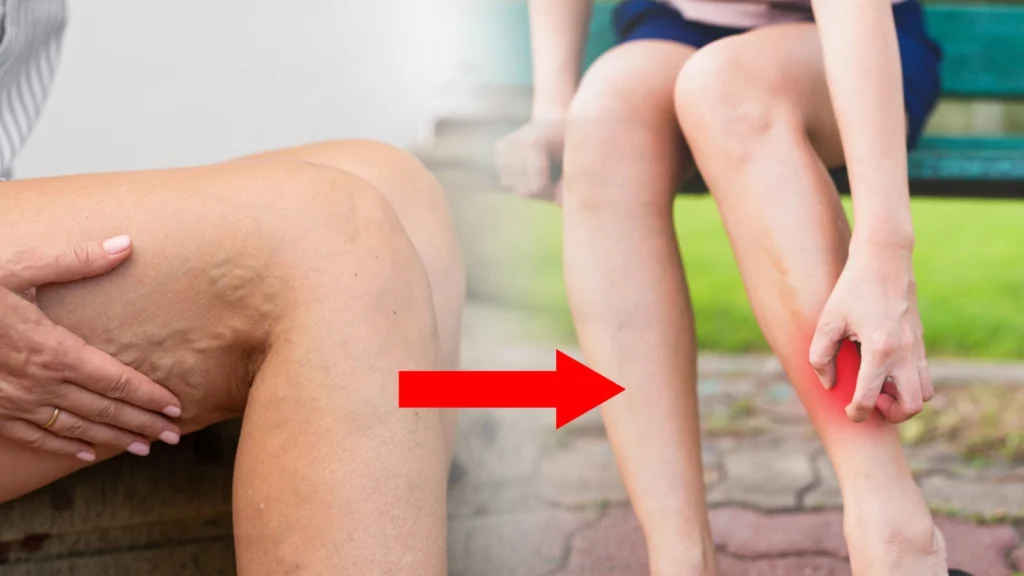
Varicose veins are twisted bulged veins that commonly appear in the lower parts of the body such as legs, ankles and feet. The swollen, purplish appearance is of cosmetic concern for many individuals. Some individuals with varicose veins may suffer from symptoms such as pain, inflammation, heaviness, discomfort and skin changes such as irritation, redness and rashes. Many non-invasive treatments are available to treat varicose veins - one among them being cryotherapy. So, what is cryotherapy and can cryotherapy treat varicose veins effectively?
Varicosity is not an easy condition to treat. In many cases, complete cure of varicose veins is not possible without medical intervention and non-invasive treatment procedures such as cryotherapy or cryosclerotherapy. This article discusses cryotherapy, the procedure, how it may help treat varicose veins, who are eligible for this procedure, benefits, side effects and the recovery process. Read to know if cryotherapy can treat varicose veins and if cryotherapy is right for you.
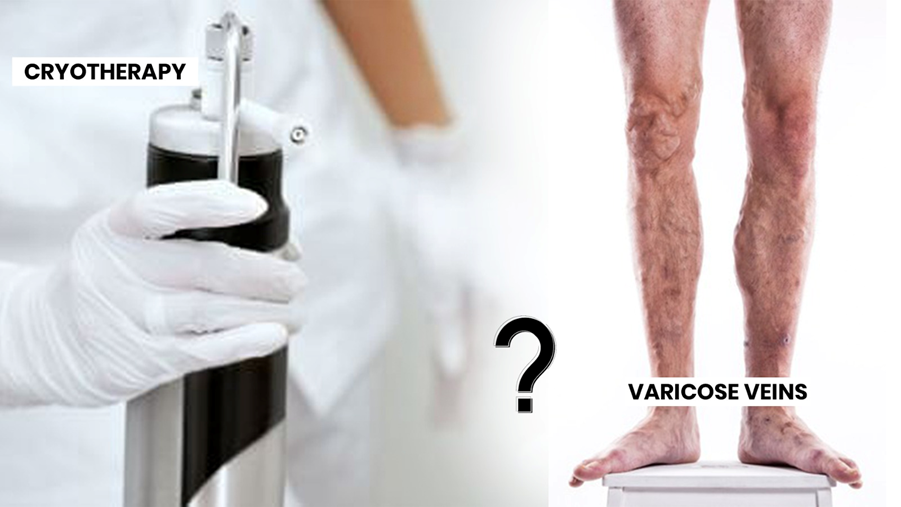
Varicose veins are swollen and twisted veins that appear under the skin. Veins which are responsible for pumping blood to the heart may experience blood accumulation resulting in varicose veins.
So, why does this accumulation occur?
Veins are a vital part of the circulatory system. Their chief function is to transport deoxygenated blood from various parts of the body to the heart for oxygenation.
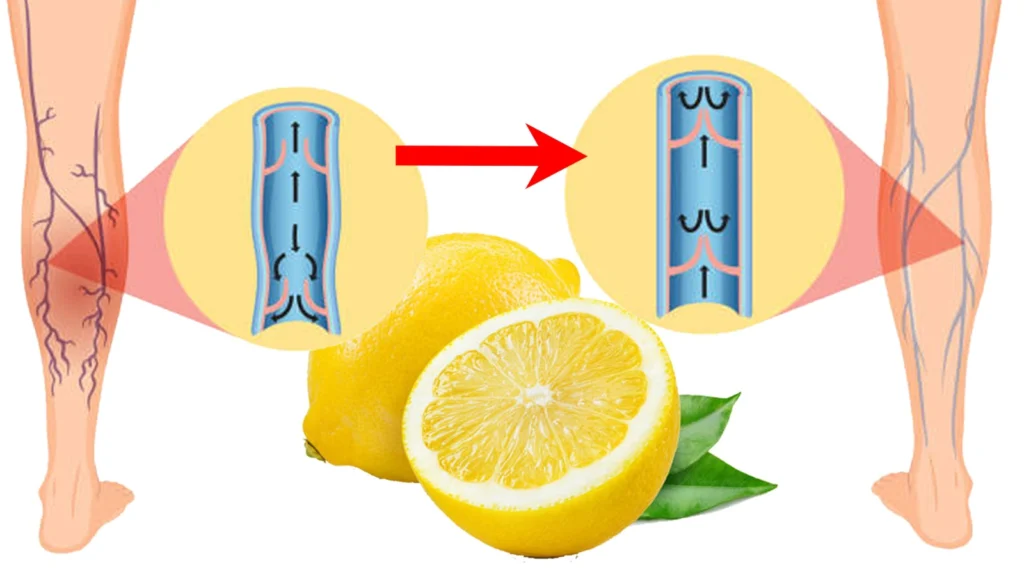
Valves are present in the veins which ensure the flow of the blood in the right direction and prevent backflow. Veins in the lower parts of the body such as legs have to work against gravity to pump blood up to the heart.
Sometimes these valves may not function properly and fail to push blood in the intended direction. Blood may pool up within the vein resulting in vein swelling and discolouration.
Malfunctioning of the vein walls also may lead to blood pooling which can result in the development of varicose veins.
Individuals suffering from varicose veins may suffer from one or more of the following symptoms:
Genetics is considered to be one of the most common contributing factors for varicose veins. Having a family member, a parent or a grandparent who has varicosity increases an individual’s chances of developing the condition.
Obesity and poor lifestyle habits such as a sedentary lifestyle and poor diet habits can also increase the risk of varicose veins.
Older population is at a higher risk of developing varicosity due to weakening vein walls and valves and slowing blood circulation. Women are at a higher risk compared to men due to the constant hormonal fluctuations they experience during menstrual cycles, pregnancy, menopause and while on hormonal birth control or hormone replacement therapy.
Individuals working in jobs involving long hours of standing or sitting may develop varicose veins due to lower movement and poor blood circulation.
Regular exercising, following a healthy diet, leg elevation and use of compression socks are some of the strategies that may help those suffering from varicosity.
Treatment for varicose veins involves a mix of different strategies based on the patient’s condition and any underlying medical issues.
A varicose vein expert will perform a thorough physical examination and run tests if needed. This will help establish the stage of the varicose veins. Based on this evaluation and the symptoms, the doctor may recommend a comprehensive treatment plan involving a combination of lifestyle modifications, home remedies, non-invasive treatment and surgical interventions.
Here are the treatment options often suggested by doctors for varicose veins.
Lifestyle modifications are suggested for early cases of varicose veins where the symptoms are mild and the varicosity is minimal.
Exercising is one of the important changes that individuals suffering from varicose veins should make to their routine. Simple exercises such as walking, cycling, jogging and swimming will encourage calf muscle movement and improve blood circulation.
Improved blood circulation can help relieve some of the varicose vein symptoms such as heaviness, discomfort and cramping. Proper blood circulation also ensures oxygen and nutrient supply to the blood vessels and tissues allowing for vein and tissue repair.
This can help reduce varicosity and restore vein health to some extent.
Diet also plays an important role in reducing swelling and providing relief from varicose vein symptoms. A balanced diet rich in fiber, vitamins, minerals and healthy fats can be beneficial for varicose veins.
Sodium-rich foods, deep fried foods, canned, frozen and ready-to-eat foods, condiments such as sauces and pickles, foods and drinks high in sugar, energy drinks and excessive alcohol and caffeine can be harmful and must be avoided.
Leg elevation is one the most common remedies suggested for those suffering from varicose veins. Keeping the legs elevated above the heart level for 10-15 minutes at regular intervals throughout the day can help reduce inflammation and may improve blood circulation.
Some doctors may also suggest varicose veins compression stockings to bring down the swelling and allow for better blood circulation.
Those working in sedentary jobs can take quick breaks to do simple stretching exercises throughout the day. This will ensure blood circulation, prevent blood pooling and prevent swelling and leg heaviness.
Along with the steps mentioned above, varicose veins experts or doctors may also suggest certain medical procedures based on the patient’s condition. Common procedures include cryotherapy, cryosclerotherapy, radio frequency ablation, treatment etc.
Cryotherapy is a process involving the application of extreme cold temperatures to freeze and destroy affected tissues in the body. It is used to treat various skin conditions such as lesions and certain types of cancers. Cryotherapy can be of three broad types - localised cryotherapy, internal cryotherapy and whole body cryotherapy.
Cryotherapy for varicose veins uses freezing cold temperatures to freeze and remove varicose veins. This process freezes damaged vein walls and causes them to get absorbed into the body. Consequently new veins may appear which may continue the blood circulation process.
In most cases, cryotherapy is used on its own but it may also be used in conjunction with other treatment procedures such as phlebectomy. In recent times, with the advent of non-invasive procedures such as radiofrequency ablation and endovenous ablation therapy, the demand for cryotherapy is reducing. Nevertheless, it may still be utilized if the varicose vein expert deems it necessary.
Cryotherapy is performed under local or general anaesthesia. The surgeon will first locate the varicose veins with the help of ultrasound. A small incision is made to access the vein. The surgeon will then insert a cryoprobe which will expose the vein to freezing cold temperatures which can sometimes be -85 degrees centigrade or lower.
The low temperatures aid in freezing and destroying the affected varicose vein. The vein will shrink, get destroyed and disappear. The doctor may apply a compression bandage post the process.
The patient can expect some bruising, swelling and pain post procedure. These symptoms usually resolve on their own.
The doctor may recommend resuming slow walking and may restrict strenuous activities till recovery is achieved.
Compression stockings may be recommended for a couple of months after the procedure to support blood circulation, prevent discomfort and swelling and promote the healing process.
The doctor may also recommend pain medications to manage the pain and swelling. Staying hydrated can be beneficial to the healing process.
The patient should stick to the follow-up doctor visit schedules as per recommendation. This will help the doctor monitor progress and identify any issues.
Cryotherapy for varicose veins is minimally invasive compared to other surgical procedures.
Since this method involves the use of freezing temperatures, pain and swelling may be less compared to other methods such as ligation and stripping.
This method leaves minimal scarring since the incisions are less.
Recovery time is also less compared to other surgical methods.
This method is more invasive compared to other methods such as Endovenous laser ablation therapy (EVLT) and Radio frequency ablation (RFA). Recovery period of cryotherapy is higher compared to these methods.
For this reason, this method is less popular compared to methods such as EVLT and RFA.
Some patients may experience swelling, pain, bruising and discomfort after the process.
Complete recovery may take up to two weeks which is higher compared to other non-invasive methods.
Though rare, this procedure carries the risk of nerve damage. Cryotherapy also carries a risk of recurrence of varicosity.
If you are struggling with varicose veins and want to get rid of the appearance or resolve symptoms, you can consult a varicose vein expert who will guide you with the best treatment options. The team of experts at Avis Hospitals provide the right guidance through physical examination, testing and evaluation. They will recommend if cryotherapy is ideal for you or you should opt for other procedures.
 +91 72079 48545
Cryotherapy can treat varicose veins. However, this procedure may not be ideal for everyone. As with every procedure related to varicose veins, a varicose vein expert is the right person to guide you with the right treatment options.
Though cryotherapy may be ideal for some individuals, it may not work for all. This minimally invasive surgical procedure is popular only in certain parts of the world while others may prefer more advanced procedures that can help in quick healing and recovery.
Cryotherapy may be ideal for treating external varicose veins that occur in accessible veins such as the great saphenous veins. It may not be ideal for those having varicosity in deep-seated veins. This procedure is also good for those who want to resolve the cosmetic aspect of varicose veins.
Cryotherapy is not painful during the procedure as it is done under local or general anaesthesia. The patient may experience bruising, bleeding and pain post the procedure. These symptoms resolve with time. The doctor will also suggest medications to manage the symptoms during the recovery process.
After a varicose vein surgery, you may need to avoid any high intensity, strenuous activities like lifting weights, working out and other forms of physical activities. Resuming normal activities should be done gradually and as per instructions provided by the doctor or varicose vein expert. Short walks may be permitted based on recovery. Incision care, use of compression socks and other intervention procedures must be followed based on the doctor’s advice.