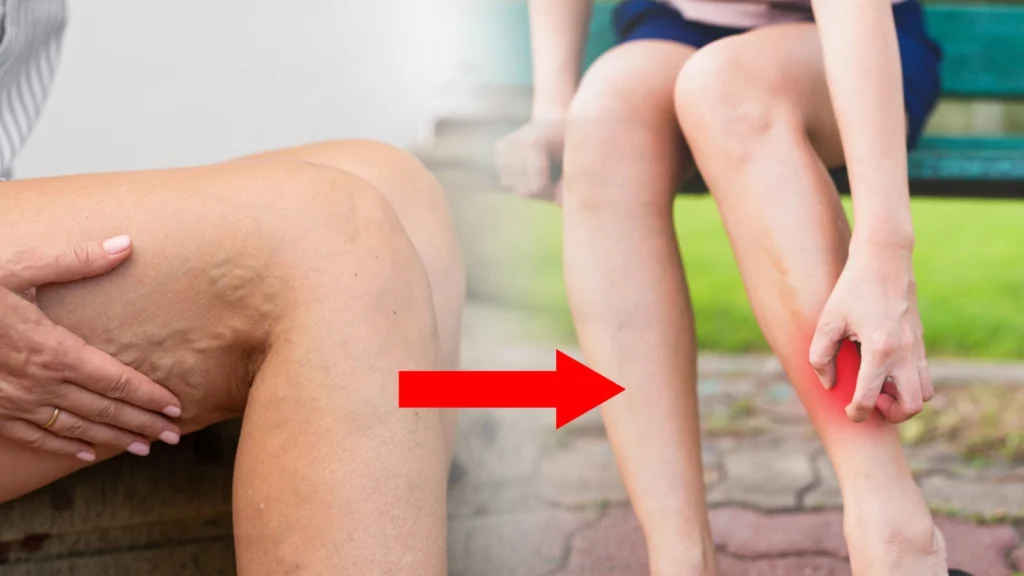
Varicose veins are twisted or bulged veins that occur due to blood pooling in the veins. While most varicose veins occur just under the skin, some may be deep-seated. Many risk factors are associated with varicose veins, for example, heredity, obesity, sedentary lifestyle, poor food and lifestyle habits and hormonal fluctuations. Recently, there has been an increasing interest in the role of health conditions such as autoimmune diseases in developing or worsening varicose veins. Autoimmune diseases often cause chronic inflammation that can have lasting effects on the body. So, can chronic inflammation from autoimmune diseases increase varicose veins risk?
Many autoimmune diseases, such as rheumatoid arthritis and inflammatory bowel disease, have a lasting impact on the body. These conditions can cause long-term inflammation that can damage the blood vessels and circulatory system. Such damage may impact the health of blood vessels, leading to conditions such as venous insufficiency and varicose veins.
This article highlights the connection between chronic inflammation resulting from autoimmune diseases and the increased risk for developing varicose veins. It also discusses how such conditions can be identified, prevented and managed.
Varicose veins occur when the blood accumulates in the veins. Veins are an important part of the circulatory system and carry deoxygenated blood from various parts of the body back to the heart for oxygenation.
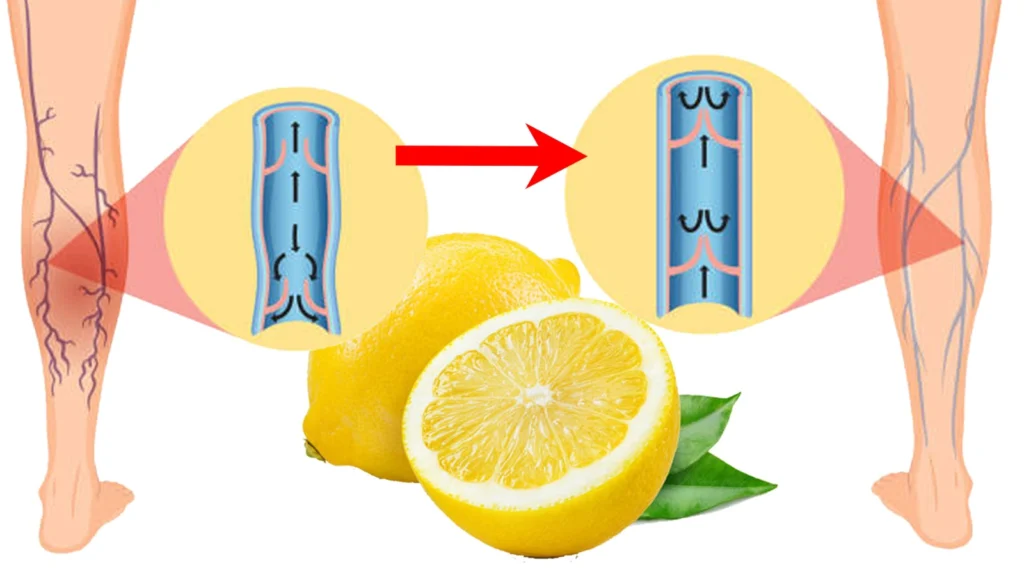
Veins contain valves which ensure the blood flows back to the heart and prevent blood flow in the opposite direction. The veins and vein valves in the lower parts of the body have to work hard against gravity to push blood to the heart.
Sometimes, the veins and the inner lining of the vein walls may fail to function properly or completely malfunction. When this happens, blood fails to flow in the direction it is supposed to. Instead it pools in the vein, unable to move in any direction.
This pooling of blood causes the vein to swell, giving it an enlarged and twisted appearance. Such types of veins are known as varicose veins.
Varicose veins commonly occur in the legs, ankles and feet, though some may also develop them in genital areas. Common symptoms include pain, heaviness and discomfort in the affected areas. Skin changes such as rashes, redness, irritation, skin discolouration and hardening are common. Some individuals may experience a burning sensation, sensitivity and cramping in the area surrounding the varicose veins. Restless legs are common at bedtime.
Early medical intervention, treatment and home remedies help control the symptoms and prevent the condition from worsening.
While factors such as genetics, obesity, hormones and an unhealthy lifestyle are considered common risk factors for varicose veins, there is also an interest in the connection between chronic inflammations and varicose veins.
An autoimmune disease is a condition where the body attacks its own organs mistaking them to be harmful enemies.
In the normal course, the body’s immune system fights harmful bacteria, viruses and other foreign invaders and keeps the body protected. This process may trigger reactions such as inflammation and raised body temperature.
In an autoimmune condition or disease, the body fails to distinguish between its own and foreign invaders. It ends up attacking its own cells, tissues and organs, leading to cell and tissue damage.
Rheumatoid arthritis, lupus, multiple sclerosis and vasculitis are some of the autoimmune conditions that can trigger chronic inflammation.
Genetics, certain medications, poor gut health, environmental factors such as toxins and pollutants, and behavioral factors such as chronic stress may trigger autoimmune diseases.
Chronic inflammation occurs when the body goes into a defence mode for an extended period.
Inflammation is usually a short, quick response when the body experiences an injury or an illness. Once the condition resolves, the inflammation also disappears.
However, chronic inflammation occurs when this reaction continues for prolonged periods in the absence of an infection, an injury or any other threat.
While inflammation helps fight infections and is beneficial to the body, chronic inflammation is harmful and can lead to tissue damage, resulting in various diseases.
Common causes of chronic inflammation include autoimmune diseases, obesity, poor diet habits, long-term exposure to toxins and irritants and obesity.
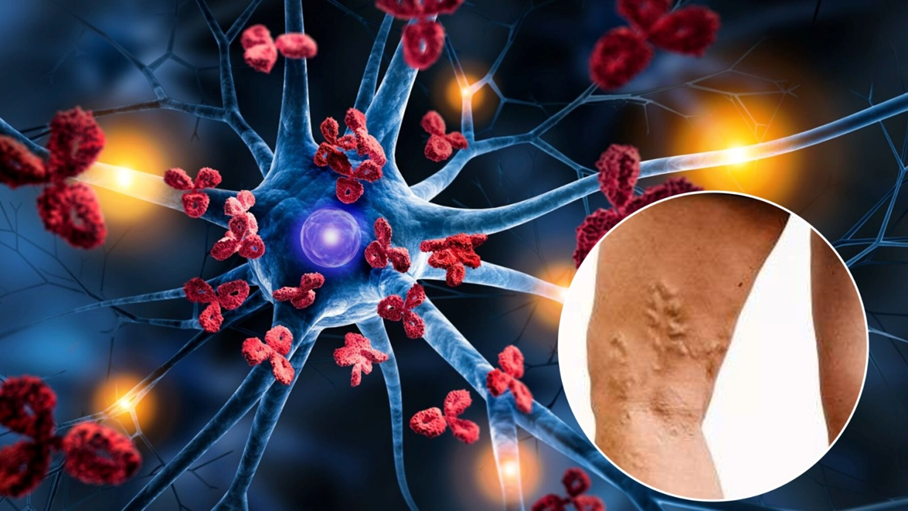
Autoimmune diseases can cause chronic inflammation due to the continuous attacks by the immune system mistaking the body’s cells, tissues and organs for foreign invaders.
The inability of the body’s defense mechanism to differentiate between “own” and “foreign” leads the cytokines to go on an overdrive, leading to more inflammation. Cytokines are protein bodies that control the body’s immune and inflammatory responses.
This chronic inflammation leads to tissue damage. The tissue damage kick-starts another cycle of inflammation.
Since the immune system is not able to shut down and allow the body to work normally, the vicious cycle continues, causing further damage to tissues and, in some cases, even organs.
Such prolonged inflammation may cause joint damage and increase the risk of cardiovascular diseases and certain types of cancer.
Chronic inflammation from autoimmune diseases can increase the risk of developing varicose veins.
Varicose veins occur due to damaged or malfunctioning vein walls and valves. Poor blood circulation and weakened vein structure can also increase the risk of varicose veins.
The increased risk for varicose veins from autoimmune disease-induced chronic inflammation can be attributed to the following reasons.
Chronic inflammation can damage the vein walls.
Long-term inflammation can result in the breakdown of collagen and elastin, two proteins that are essential for the vein wall's strength and elasticity.
During chronic inflammatory reactions, the body releases cytokines, protein molecules that trigger immune response and inflammation.
When these cytokines continue releasing over longer periods, they may damage the cell walls instead of repairing them.
Chronic inflammation also increases oxidative stress and releases reactive oxygen species. These damage the endothelial cells, weaken the vein walls and impede blood circulation, increasing the risk of varicose veins.
Chronic inflammation can increase the risk of blood clot formation, which can pose serious health risks.
The endothelium is responsible for preventing clot formation through the production of anticoagulant factors. Damage to the endothelium due to chronic inflammation brings down the production of anticoagulant factors and increases the risk of clot formation in the blood vessels.
Chronic inflammation may also increase platelet activation, stickiness and aggregation, all of which promote the formation of blood clots. Inflammation also increases the production of clotting factors and reduces the ability of the body to break down existing clots.
Chronic inflammation may promote vasodilation or the constriction of blood vessels, making it difficult for the blood to circulate properly.
Clot formation may block blood vessels, blocking proper blood circulation. Inflammation also increases WBC count, which increases the viscosity of blood and causes slow and sluggish blood flow.
Poor blood circulation is one of the contributing factors for varicose veins.
Chronic inflammation may also damage blood capillaries, reducing oxygen and nutrient supply to the tissues, which in turn increases the risk of varicose veins.
We now know that chronic inflammation from autoimmune diseases increases varicose veins risk. Some autoimmune diseases, in particular, are associated with varicosity.
Autoimmune diseases can cause chronic inflammation that may increase the risk of varicose veins. Individuals who are at a high risk of developing varicosity must take measures to prevent or manage varicose veins and related symptoms.
Steps involved in preventing and managing varicose veins that result from chronic inflammation due to autoimmune diseases are:
Anti-inflammatory foods such as fresh fruits and vegetables, healthy fats, turmeric, ginger, onion, and garlic help reduce inflammation and improve blood circulation. Foods rich in vitamin C, antioxidants and flavonoids may help bring down chronic inflammation.
Whole grains, legumes, green leafy vegetables and fresh fruits help strengthen blood vessels, improve elasticity and improve blood circulation.
Staying hydrated and consuming mineral-rich foods helps maintain proper fluid balance, thereby improving blood circulation.
Supplements containing vitamin E and vitamin C help strengthen veins and improve blood circulation. Vitamin B-complex supplementation that contains B6 and B12 vitamins is also beneficial for varicose veins. Magnesium supplementation helps relax blood vessels and may prevent cramping.
Supplements for varicose veins must be started only after consultation with a varicose vein expert who will evaluate the patient’s condition, run tests if needed and recommend supplements accordingly.
Anti-inflammatory medications may provide temporary relief from pain and inflammation.
Individuals suffering from autoimmune diseases may be recommended immunosuppressants and biologics as per the condition. These medications may also help improve varicose veins or other vein related diseases by reducing inflammation.
If you are suffering from an autoimmune condition and suspect that you may be developing varicose veins, it is essential to see a varicose vein expert. The team of vein experts at Avis Hospitals are trained to diagnose and treat varicose veins and related conditions with comprehensive evaluation. The treatment protocols involve minimally invasive procedures with quick recovery times, allowing patients to go back to their regular routines as early as the next day.
Common treatment procedures for varicose veins include sclerotherapy, endovenous laser ablation, radio frequency ablation and superglue treatment.
Leg elevation, compression stockings, weight control, hydration and leading a healthy lifestyle while following doctor’s instructions can be of great help for individuals developing varicose veins due to inflammation from autoimmune diseases.
Chronic inflammation from autoimmune diseases can increase varicose veins risk. Understanding the risks associated with developing varicose veins, identifying any new vein inflammation, and early medical intervention can help curb the worsening of the condition while resolving the symptoms.
 +91 72079 48545

Inflammation may not directly cause varicose veins, but chronic inflammation can. Prolonged inflammation may affect vein health, elasticity and flexibility and reduce blood circulation. Chronic inflammation can also increase blood clots, thereby increasing the risk of varicose veins.
Treatment to reduce inflammation caused by autoimmune diseases involves anti-inflammatory drugs and painkillers to manage symptoms such as inflammation and pain. Doctors may prescribe immunosuppressant drugs and corticosteroids to suppress the immune system activity and reduce inflammation. Physical therapy improves mobility and physical activity, promoting the overall health and well-being of the patients.
Chronic inflammation may always not be curable. However, it is possible to manage the condition through symptomatic therapy where the attending physician or clinician may prescribe medication and therapies to reduce the inflammation and resolve or reduce associated symptoms.