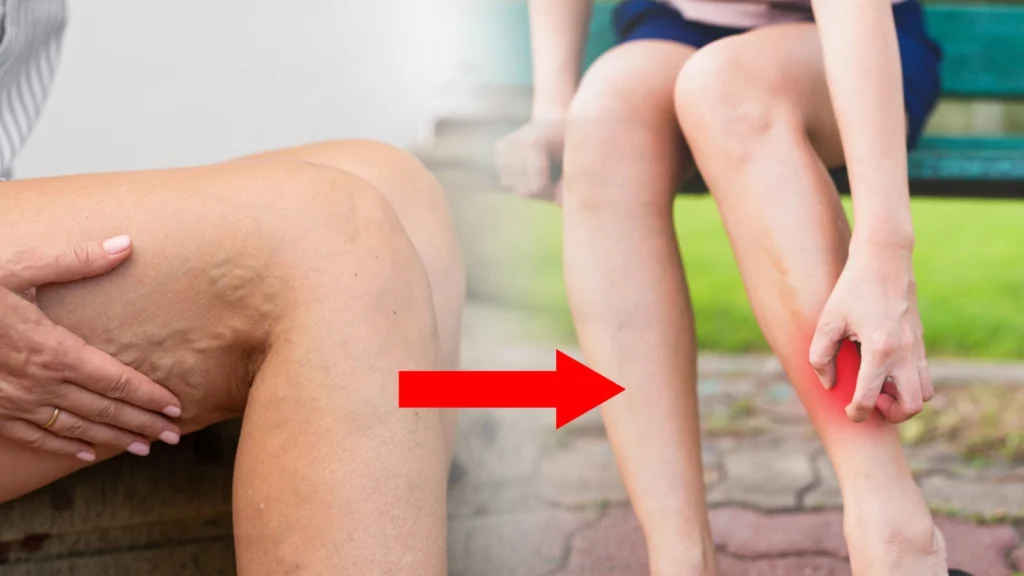
Varicose veins have been troubling many people across the world. The medical condition worries you beyond the cosmetic issue as the disease progresses. The symptoms, like pain in the legs, swelling and inflammation, can be quite discomforting. You may look at options like Botox injections, trying to find instant relief from the bulging appearance of varicose veins. Not all the treatments that you come across are the right options for varicose veins. The treatment for varicose veins is not about reducing the appearance of varicose veins but ruling out the underlying problem. Read the current article to see if Botox injections are the right treatment for varicose veins.
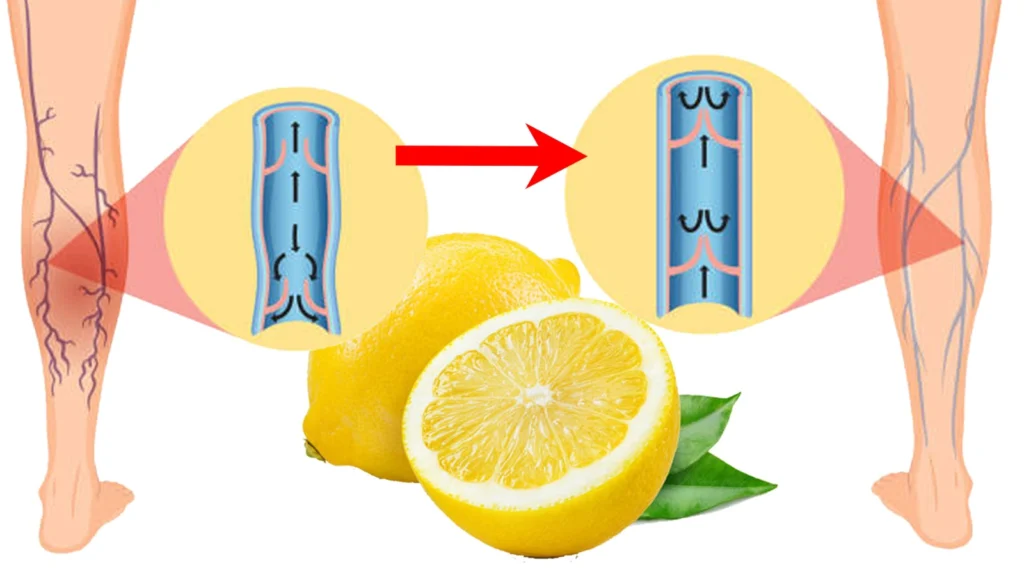
Botox injections are approved for treating cosmetic problems on the skin, but cannot eliminate varicose veins. Bulging of the veins on your legs appears to be a cosmetic issue, but it is an underlying vein problem because of the circulatory issues in the body. Varicose veins develop in the legs when valves don’t function properly in carrying blood to the heart against gravity. The improper blood flow pools the blood in veins, making them enlarge and leading to varicose veins.
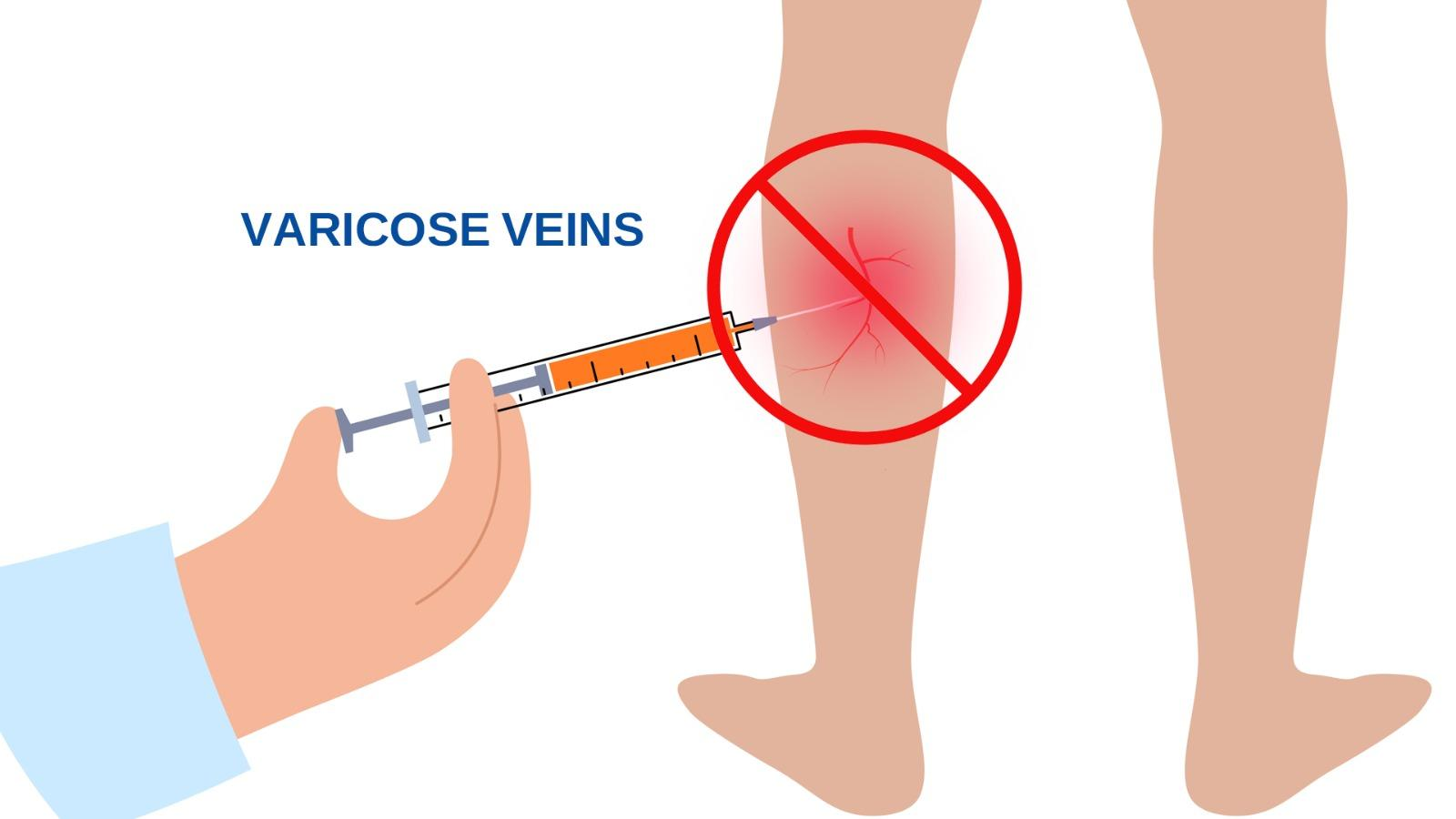
Botox injections are formulated to remove fine lines and wrinkles on the body. Protruding varicose veins are also visible on the skin’s surface, and many look at Botox injections as an instant remedy for varicose veins. The problem of varicose veins is not just on the surface of the skin, but it is somewhere deep inside the body, like issues with blood circulation. Botox injections cannot resolve the issues with poor blood flow that lead to varicose veins, and you need optimal treatments to rule out varicose veins effectively.
Varicose veins are a progressive medical condition caused due to valve damage in the legs. You should understand the medical condition in a better way before you knock on the right treatments to resolve the problem. Varicose veins affect people when there is poor blood circulation in the body, and it exerts great pressure on your valves, impacting their designated functionality of carrying blood back to the heart to complete the blood circulation cycle in the body. When these valves do not work effectively, the blood starts pooling in the veins and enlarges them to appear bulging on the skin’s surface. Varicose veins tend to be a mere skin issue in the early stages, but develop into chronic vein problems if left untreated.
As said, varicose veins would develop into various stages and turn chronic if ignored. Learning more about the different stages of varicose veins will help you approach the doctor and discuss the optimal treatments for better outcomes using minimally invasive procedures.
The early stage of varicose veins is also known as telangiectasia and spider veins. You may see the enlarged, smaller veins below the skin surface. They appear like spider webs on your legs and are red in colour. Spider veins could develop in the body due to many factors like genetics, hormonal replacement therapy, pregnancy and sedentary jobs. These veins are harmless, but optimal treatments like sclerotherapy are recommended to avoid any future risks and complications.
Varicose veins appear large at this stage. You can see the visible bulging of veins beneath the skin. The enlarged veins are usually found in the legs and feet, and the major contributing factors include heredity, hormonal changes, pregnancy, obesity and long hours of sitting and standing. Minimally invasive procedures like are advised at this stage.
At this stage of varicose veins, fluid starts building in the surrounding tissues of damaged veins. You can see evident swelling in the ankles and feet. When there is increased pressure in the valves, the fluids start leaking into surrounding tissues. A wide range of non-invasive treatments, along with lifestyle changes, can give you better results at this stage.
At the fourth stage of varicose veins, there is increased pressure on valves due to excess blood pooling in the veins. The skin around the affected varicose veins may become thin and is prone to sores and open wounds. As skin changes happen on your legs due to varicose veins, you may experience itching, scaling, and dryness on the affected area of the skin.
Skin changes with healed ulceration indicate severe cases of varicose veins. Your skin will be thin and discoloured due to long-term pressure and poor circulation in the veins. At this stage, the doctors advise you to go for simple treatments like radiofrequency ablation along with creams to address skin concerns. With the right treatments, you can effectively treat varicose veins
This is a chronic stage of varicose veins where you will see sores and wounds on the affected area that are infected and lead to further complications. You may experience varicose veins symptoms like pain and tenderness in the affected area. The doctors may recommend a blend of treatments to handle the problem, and you should strictly follow lifestyle changes to manage the condition effectively.
Sclerotherapy is the right vein treatment approach for removing spider veins in the legs. The experts use special chemical injections to irritate the damaged vein. The injections make blood vessels shrink, stopping the blood flow through them. The absence of damaged veins in your legs prevents the pooling of blood in veins, and there will be no pressure exerted on your veins. The collapsed veins get absorbed into the body. Sclerotherapy is less invasive compared to other vein treatment procedures. However, you may need to undergo multiple sessions to witness better outcomes from the procedure.
Radiofrequency ablation works much similarly to ELVA. The process involves heating the damaged vein from within. The experts conduct the procedure under local anaesthesia. There is a little downtime, and you can resume your normal activities on the same day. Controlled heat is passed through the vein to damage the varicose veins and let the blood flow through only healthy veins. The key difference between ELVA and RFA is the method used to pass the heat. In RFA, the heat is gently passed into veins using electromagnetic waves instead of laser energy.
Varicose veins are treated through an innovative VenaSealTM procedure, where varicose veins are shut off using medical glue. Neither heat nor the special solution is passed through a damaged vein. The experts permanently shut the vein using the glue and stimulated a permanent hardening process through the length of the vein.
Ambulatory phlebectomy is advised for patients when there are larger veins. This is more like a surgical procedure and involves removing the damaged vein in segments until all the damaged veins are removed from your legs. However, the advanced technology in treating varicose veins has replaced surgical procedures that are invasive and cause less discomfort.
 +91 72079 48545
Botox injections are misrepresented as effective treatments for varicose veins due to their ability to control muscle spasms, but varicose veins have many other symptoms. You need to get the right varicose vein treatments to cure the venous insufficiency that leads to varicose veins and enjoy long-lasting results. Modern science has brought many simple procedures to treat varicose veins effectively.
No, Botox injections are not the right choice for varicose vein problems, as they cannot treat the underlying causes
There are minimally invasive varicose vein treatments, including sclerotherapy, radiofrequency ablation, ambulatory phlebectomy
Modern varicose vein treatments are designed to handle varicose veins from the initial stages to chronic cases. The earlier you reach the doctor, the better the results.