An allergic reaction is a body’s response to certain substances such as dust, smoke, pollen, pet hair and certain foods and medications. These substances are also known as allergens. They may not be directly harmful to the body. But the body may perceive them as harmful and elicit an immune response. Allergic reactions can affect the body in many ways, one of which is vein health. So can allergic reactions cause inflammation and weaken veins?
Veins are blood vessels that transport blood from various parts of the body to the heart. Vein health is vital to maintain proper blood circulation and ensure blood oxygenation, proper blood circulation is necessary for oxygen and nutrition supply to the body. Inflammation and weakening of the vein can lead to vein damage and vein-related health issues such as chronic venous insufficiency, deep vein thrombosis, spider veins, varicose veins and venous ulcers.
This article explores the connection between allergic reactions and vein inflammation and weakening and how this connection can lead to long term health problems. It also discusses how to manage these allergic reactions to maintain vein health.
Let us try to first understand what an allergic reaction is. In simple terms, an allergic reaction is a reaction such as a sneeze, a rash or a skin reddening. Such a reaction may happen when an individual comes in contact with a substance they are allergic to.
Common allergens include:
When a person with an allergy comes in contact with the allergen, the body’s immune system kicks in and causes an allergic reaction.
Common allergic reactions include:
In severe cases, a reaction known as anaphylaxis can occur. The patient may experience difficulty breathing, experience a drop in blood pressure and even lose consciousness. This can be life-threatening and needs immediate medical attention.
While these are common allergic reactions, inflammation is a lesser known allergic reaction. Chronic inflammation can even damage blood vessels such as veins.
Allergic reactions and inflammation are interrelated. While an inflammation can trigger an allergic reaction due to the body’s immune response, long term allergies can also result in chronic inflammation.
An allergic reaction can cause inflammation in the body. As we noted earlier, this is the body’s natural response to a substance it perceives as a threat.
During this process, the body releases antibodies also known as IgE, which, in turn, release inflammatory chemicals such as histamines and cytokines.
These inflammatory chemicals may lead to vasodilation or the widening of blood vessels. Inflammation or redness may occur. They can also cause the leakage of fluids into the surrounding tissues leading to poor vascular health.
When such allergies are not treated, the inflammation can become a chronic condition. This can affect the body’s immune system and cause vein health issues.
As mentioned earlier, repeated allergic reactions can lead to frequent release of inflammatory mediators into the bloodstream leading to vein dilation and fluid leakage into the surrounding tissues.
Prolonged exposure to these mediators can be harmful to the vein health in the following ways.
The endothelium is the inner part of the blood vessel, in this case, the vein. It helps regulate blood circulation, maintains the elasticity of the vein and prevents the formation of blood clots.
Inflammation, especially of chronic nature can damage this endothelium in the following ways.
Sluggish movement of blood results in accumulation within the veins, vein swelling and heaviness. Veins do not receive enough blood supply, oxygen and nutrients resulting in cramping, numbing and restless legs.
As a result of all of these, the endothelium loses its ability to function effectively and may cause vein-related issues such as the varicose veins.
Oxidative stress is the damage caused when there are more free radicals and not enough antioxidants to neutralize them.
It can damage the veins in the following ways.
Collagen maintains the elasticity, flexibility and strength of the veins, vein walls and valves.
Inflammation can cause vein damage in the following ways.
In effect, allergic reactions can trigger inflammation which can cause vein damage and weaken vein walls and valves. Oxidative stress, collagen degradation and endothelial damage are responsible for the weakening of veins and the development of vein related diseases.
Chronic inflammation due to allergic reactions can cause individuals to develop a number of vein-related diseases.
Chronic inflammation occurring from allergic reactions can damage vein walls and valves. This damage can result in blood pooling in the legs causing issues with blood flow.
Individuals suffering from CVI may experience swelling in the legs due to fluid retention, pain, heaviness and discomfort and skin discolouration. Venous stasis dermatitis, a form of eczema is common.
Untreated CVI can result in open sores that may take weeks to heal. Long term inflammation and untreated CVI can lead to deep vein thrombosis or DVT, a life threatening condition that needs immediate medical attention.
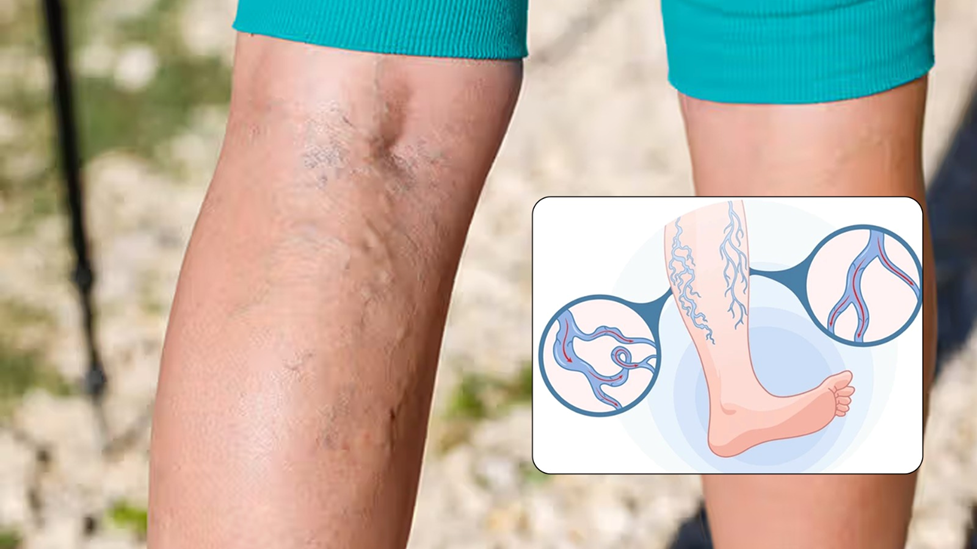
Chronic inflammation can also cause weakening of the vein walls and valves leading to varicose veins. Repeated inflammation can cause veins to dilate and lose their elasticity.
Damage to the elasticity and strength of the vein walls causes bulging and twisting of veins. Blood pools within these veins and impedes blood flow to the heart. This increases the venous pressure which in turn can worsen the condition.
Common symptoms of varicose veins include pain, swelling, heaviness and discomfort in the legs, skin changes and ulceration. Exposure to allergens can increase the inflammation and swelling further exacerbating the varicose veins.
Allergic vasculitis, also known as hypersensitivity vasculitis, is a condition associated with small vein inflammation.
Inflammation, triggered by allergic reactions, attacks the small blood vessels causing damage and reduced blood flow.
Allergic vasculitis manifests as skin rashes, hives, blisters and open sores. In some cases, organs such as gastrointestinal tract, joints and kidneys can also get affected.
Thrombophlebitis is the inflammatory condition where the vein gets inflamed leading to the formation of clots. The clots can be either superficial or near to the surface of the skin or deep seated.
Deep seated clots form in the deeper veins and can lead to deep vein thrombosis, a life-threatening condition.
Thrombophlebitis is marked by pain, swelling, redness and tenderness in the affected area and may be warm to the touch.
These are the common venous diseases that can occur due to inflammation from long-lasting and unresolved inflammation. The key to avoiding these conditions is early identification of allergies and taking measures to avoid them while addressing the inflammations and preventing reccurrence.
Allergies are life-long for most people. Proper management of allergies and prevention of related conditions is vital to ensure vein health and overall health.
Different ways to manage allergic reactions and prevent vein weakening are done by:
If you suspect you have allergies, you can consult an allergy specialist who will help you identify the sources of allergy. Allergy testing can be done through blood tests and skin prick tests. Elimination diet is one way to identify food-related allergies.
Once the triggers are identified, care should be taken to avoid those allergens. This will help break the cycle of repeated inflammations which is one of the triggers for vein weakness.
The allergy specialist may suggest medications to treat the allergies. For example, antihistamines may be prescribed to reduce the intensity of the allergies. In some cases, for example severe allergies, the doctor may prescribe corticosteroids.
These medications must be taken in prescribed doses as instructed to mitigate the allergies and their effects.
If you have weak veins or suffer from vein related diseases, you can start making diet and lifestyle modifications to strengthen veins.
Balanced diet, regular exercising, avoiding a sedentary lifestyle and staying away from smoking and alcohol can help strengthen veins. Including anti-inflammatory foods in the diet can help reduce inflammations induced by allergic reactions, thus preventing vein damage.
Additional remedies such as leg elevations and the use of compression stockings can also help.
 +91 72079 48545
For many, allergic reactions may just act as a source of temporary discomfort. However, they go much beyond causing basic external symptoms such as sneezing. Long term allergic reactions can lead to chronic inflammation.
So, can allergic reactions cause inflammation and weaken veins too? Yes, it is very much possible. Timely identification and treatment for allergies is vital to prevent long term effects and damage from chronic inflammations.
Allergies and resulting inflammation are manageable through avoiding triggers, consulting an allergy specialist and following their instructions and medications as needed. If you suffer from chronic allergies and suspect you may be developing vein related conditions, you may also need to consult a vein specialist along with an allergy specialist.
Vein experts at Avis Hospitals will help run tests and identify any potential vein related conditions such as varicose veins. Early intervention can go a long way in strengthening veins and avoiding any further vein damage.

Yes, allergic reactions can affect blood vessels. Recurring allergies can lead to chronic inflammation that can damage blood vessels by weakening them, damaging the endothelium which is the inner lining of the blood vessels, degrading the collagen production which is necessary to maintain the strength and elasticity of the blood vessels and increasing the oxidative stress which further increases the inflammation in the blood vessels.
The most common sign of a severe allergic reaction is known as anaphylaxis. The patient may experience difficulty breathing. Throat may get constricted due to swelling causing a whistling sound when breathing. Tongue and lips may also swell. The patient may feel that their throat and airway are closing. They may find it difficult to talk and experience coughing, wheezing, rashes, itching, hives and redness of skin and dizziness and fainting.
Collagen is a protein molecule that helps maintain vein health, elasticity and flexibility which are needed for proper blood circulation. It also plays a vital role in vein repair. Lower collagen production can weaken vein health and reduce elasticity leading to vein related diseases such as varicose veins.
Yes, collagen is a protein that supports skin and tissue health. Lower collagen production, especially with advancing age, can cause veins to be more palpable and visible under the skin.
Infections, allergic reactions, autoimmune disorders, environmental factors such as pollution and toxins, genetic predisposition and certain cancers can all trigger inflammation of blood vessels. Lifestyle habits such as chronic stress, smoking, alcohol and recreational drug consumption can also trigger inflammation of blood vessels.