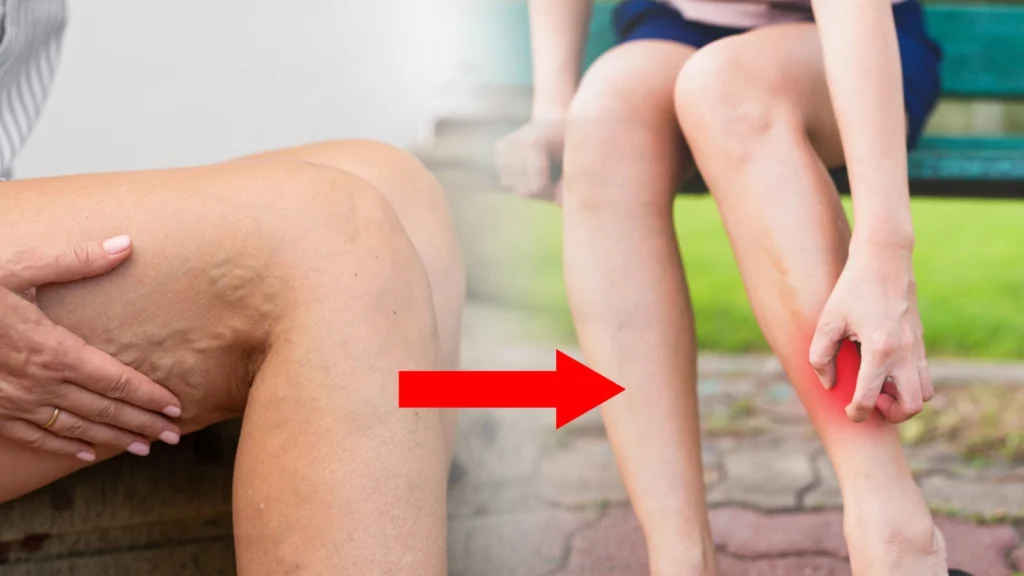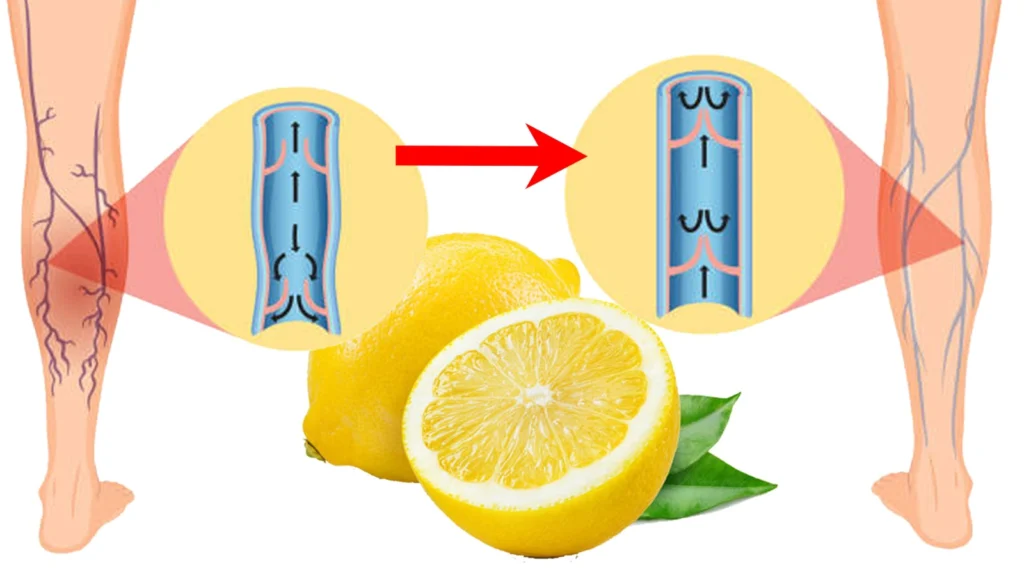
Varicose veins are beyond a cosmetic concern because they are caused due to venous insufficiency that affects the functionality of your veins. Impeded blood circulation in the body pools the blood in the leg veins, making them bulge and swell. The enlarged veins that appear twisted on the skin’s surface are varicose veins. The diseases could be progressive if left untreated and tend to cause many worrying symptoms like pain, swelling, and heaviness in the legs. The worsening symptoms impact your ability to work as the day progresses and warn of immediate medical attention to treat the underlying cause. The current blog talks about the doctor you should contact to treat your varicose veins, and whether a dermatologist can help you treat vein problems.
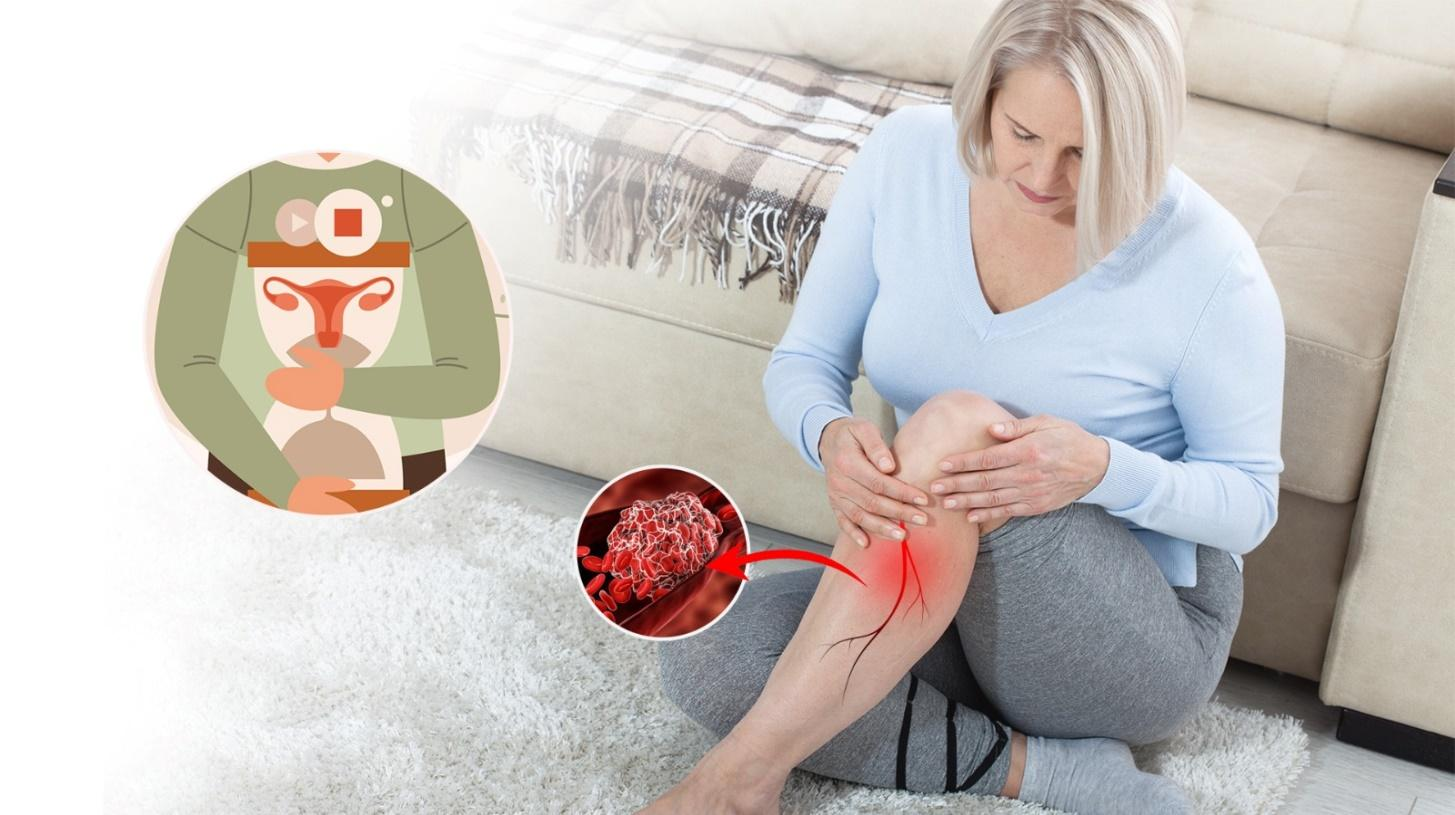
Spider veins: Spider veins are bulged veins that are close to the skin’s surface when the blood pools in superficial veins. These veins tend to look much smaller than varicose veins and are rarely progressive. The cause of spider veins is venous insufficiency, but they are not a serious concern, unlike varicose veins.
Varicose veins: Varicose veins are blood vessels that appear twisted like rope on the legs. Their bulgy appearance is prominent, and they are visible in red colour. The blood starts pooling in the veins when they are unable to pump the blood back to the heart. Both men and women are likely to develop varicose veins as they get older because of weakening vein valves. Also, there are many contributing factors for varicose veins, like genetics, pregnancy, family history, and hormonal imbalance. Varicose veins tend to develop in the lower extremities of the body and cause many discomforting symptoms like pain and swelling in the affected area. The varicose veins in the legs should not be ignored, as they indicate chronic venous insufficiency. Varicose veins may also show skin-related symptoms like dryness, itching, and skin ulcers, which is the reason why patients approach dermatologists to treat their vein problems.
Spider veins are not alarming, but there are signs that you should get professional assistance to get relief from the discomfort.
The doctors recommend you wear compression stockings post-treatment of spider veins in your legs to improve the blood flow in the veins. They apply gentle pressure on your legs and prevent the formation of new spider veins. Using compression stockings will help to alleviate the discomfort effectively.
Varicose veins are a complicated vein problem that affects three types of veins, namely reticular veins, superficial veins, perforator veins, and deep veins. Treating complex varicose veins needs an accurate diagnosis to choose the right treatment for their vascular condition. There are many advanced, simple treatment procedures ranging from CLaCs to advanced Laser treatments to treat chronic cases of varicose veins. The procedures are powered by advanced technology to offer precise treatment to the damaged veins and collapse them, rerouting the blood through healthy veins. Dermatologists are specialists in skin care treatments and may have limited knowledge of treating special vein care problems like chronic varicose veins.
A vascular surgeon or vascular specialist or vein doctor, on the contrary, specialises in treating all vascular conditions, including varicose veins. They can effectively treat spider veins and even chronic cases of varicose veins through the right procedures tailored to the patient's vascular system and other underlying health conditions. Though you can approach dermatologists to treat your spider veins and small varicose veins, vascular surgeons have the right tools and experience to make accurate diagnoses of different venous disorders, including deep vein thrombosis, and resolve your chronic varicose vein problem by addressing the root cause. They focus their practice on treating issues related to the vascular system. The advanced diagnostic approach at the vein clinic will pinpoint the source of the vein problem. Dermatologists may offer treatments for spider veins, like sclerotherapy, but they may not be trained to diagnose vein disorders that lead to varicose veins.
Not all the bulging veins that appear on the legs are only spider veins; just because they don’t show any symptoms, they may indicate a deep vein problem. Reaching vein specialists over dermatologists will give you comprehensive services for the treatment of varicose veins. The invasive procedures damage the affected vein successfully with tiny incisions, route the blood only through healthy veins, and reduce the symptoms of varicose veins.
 +91 72079 48545
Many patients approach dermatologists treating the spider veins as a cosmetic concern, but they indicate some deeper vein issues. Though dermatologists offer some non-invasive treatments like sclerotherapy for spider veins, they will not be able to identify the root cause of the vascular problem due to a lack of expertise in the specific arena. The right diagnosis backs the treatment offered by vascular surgeons, and they will be able to identify the root cause of varicose veins and offer optimal treatments for long-lasting and effective results. Avis Hospitals have renowned vascular specialist, vein doctors and vascular surgeons who can offer minimally invasive varicose veins treatments for chronic cases. The simple procedures are known for less downtime and effective results.

Spider veins are small veins compared to varicose veins and are found just under the skin. Varicose veins tend to be large and show many painful symptoms. They may pose risks if left untreated.
You may get varicose veins due to many reasons, like vein malfunction, blood clots inside the veins, weight gain, pregnancy, hormonal changes, and ageing.
You can visit dermatologists if you feel it’s your right choice for your diagnosis and treatment for vein as cosmetic issues only.
Dermatologists offer different treatments for spider veins, which include sclerotherapy, laser therapy and IPL Therapy.