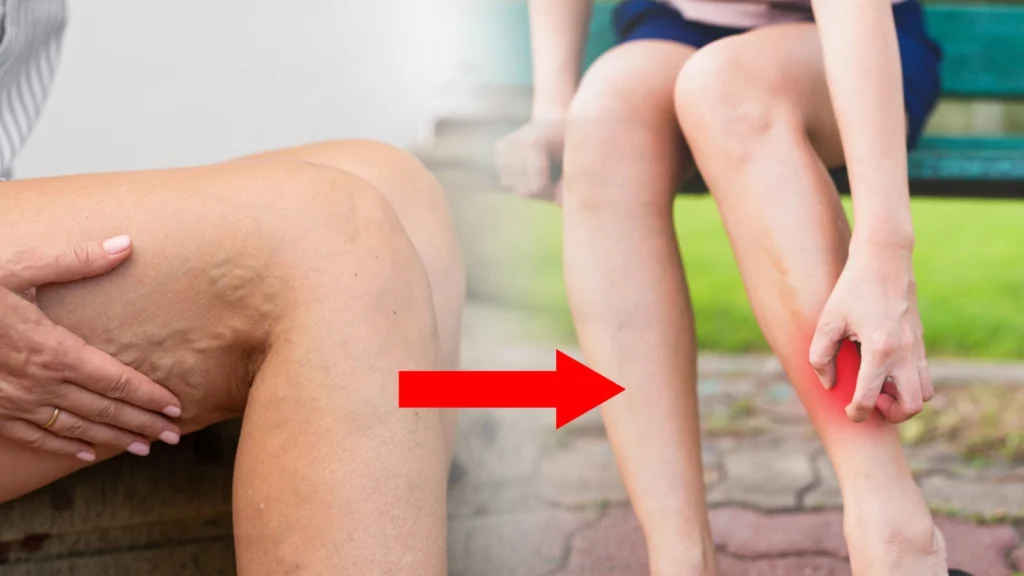
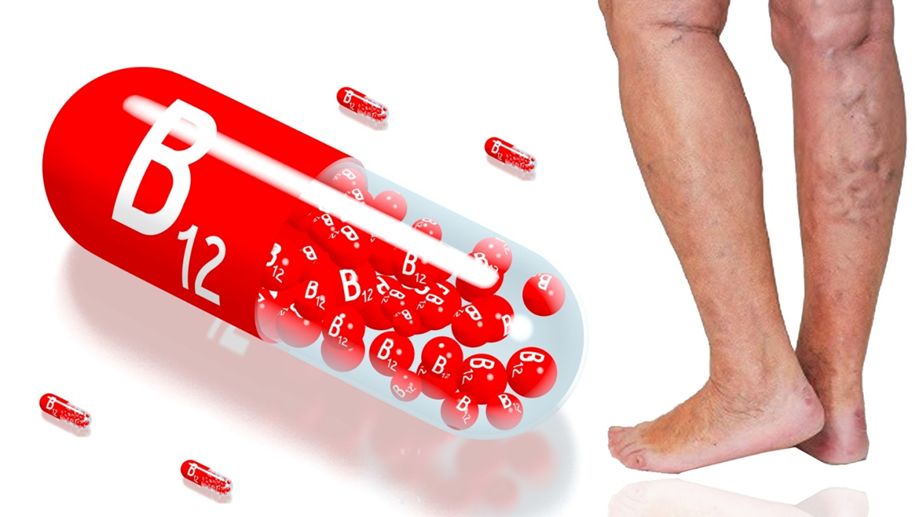
Varicose veins are enlarged twisted veins that are often palpable and visible under the skin. While this condition is common in the older population, young adults can develop varicose veins too. Genetics, obesity, hormonal fluctuations and a sedentary lifestyle are among the most common causes for varicosity. Nutritional deficiencies are also believed to trigger the development of varicose veins with the most common deficiencies being that of vitamin D and vitamin K. However, there has been an increased interest in the link between vitamin B 12 and varicose veins. So, can vitamin B 12 deficiency cause varicose veins?
Dietary choices play a major role in developing varicose veins with poor nutritional choices and deficiencies worsening vein damage and hampering blood circulation. Balanced diets coupled with exercises are the first line of intervention to help curb the development of varicosity and relieve the symptoms.
This article explores the functions of vitamin B12 in the human body, the importance of this vitamin for vein health and if vitamin B12 deficiency can cause varicose veins.
Varicose veins are twisted or bulged veins that occur due to issues with blood circulation. Veins are a part of the body’s circulatory system and are tasked with transporting blood to the heart for oxygenation. The veins in the lower parts of the body such as legs have to work harder to pump blood to the heart.
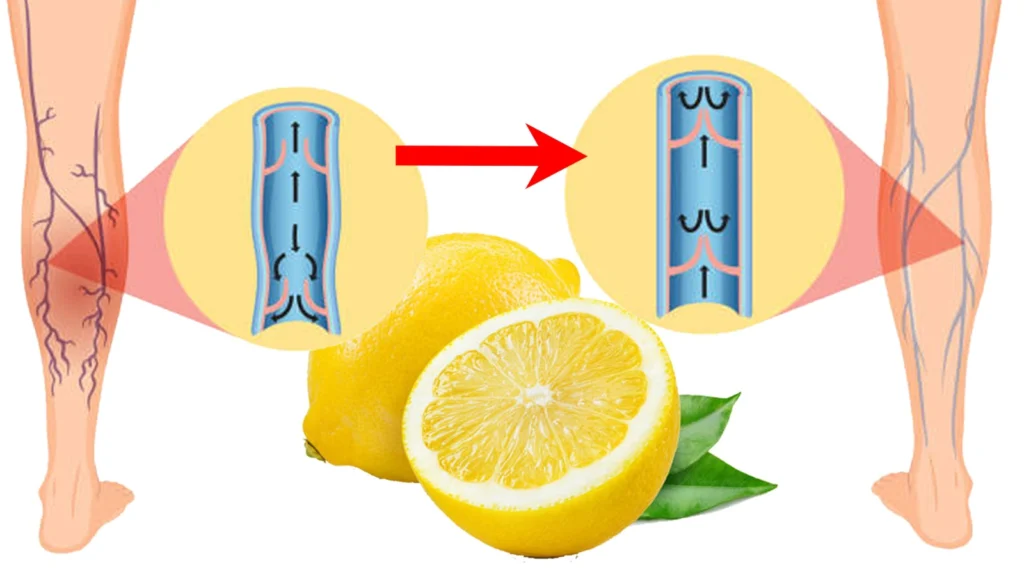
Sometimes, the vein valves or walls may malfunction or get damaged. As a result, the blood may be unable to move in the intended direction and gets accumulated in the vein. The vein swells and changes color, resulting in the formation of varicose veins.
Varicose veins largely occur due to heredity and lifestyle related factors. However, hormonal fluctuations and age also may have a role to play.
Individuals with a family history of varicose veins may be at a high risk of developing the condition, with some of them developing it in their early age of 20s too. Obesity and sedentary lifestyle may also result in varicosity.
Variations in levels of progesterone and estrogen may also lead to the development of varicose veins making women more susceptible than men. Women experience hormonal fluctuations throughout their life during menstrual cycles, pregnancy, and menopause causing them to develop varicose veins. Women taking hormonal birth control or hormone replacement therapy may also develop varicose veins.
While these are the major risk factors causing varicose veins, it is now known that nutritional deficiencies may also result in individuals developing varicose veins. One such vitamin of interest is vitamin B 12, also known as cobalamin.
Vitamin B12, also known as cobalamin, is a water soluble vitamin and is one among the eight B-complex vitamins.
This vitamin is primarily present in animal-based foods such as meat, fish, poultry, eggs and milk and milk products. It is also present in fortified foods such as fortified cereals and nutritional yeast.
B12 is rarely present in plant-based foods and vegetarians are often seen to suffer from B12 deficiency and are recommended to consume supplements containing this vitamin.
Important role of vitamin B 12 in bodily process functioning involves:
The common B12 deficiency symptoms include:
The most common cause of vitamin B12 deficiency is related to food habits. B12 is available through animal sources such as meat, fish, poultry, eggs, milk and milk products. Vegetarians and vegans often suffer from vitamin B12 deficiency since plant-based foods do not contain this vitamin.
In some cases, issues with the digestive system may not allow proper absorption of this nutrient. For example, individuals with autoimmune conditions such as celiac disease and Crohn’s disease often suffer from vitamin B12 malabsorption. Those suffering from pernicious anaemia also may suffer from vitamin B12 deficiencies due to poor absorption.
Other factors associated with vitamin B12 deficiency include advancing age, bariatric surgery and pancreatic diseases.
Individuals belonging to the above risk factors must get blood tests done regularly to check for vitamin B12 levels and take supplements as per doctor’s recommendations.
Vitamin B12 deficiency is not directly linked to the occurrence of varicose veins. However, it can lead to conditions which can increase the risk of varicosity.
To understand how vitamin B12 deficiency can contribute to varicose veins, required to have insights on process involved.
Vitamin B12 is vital for proper nerve functioning. A deficiency of this vitamin can cause nerve damage which may interfere with the vein health. Improper constriction and dilation of the veins may hamper blood flow which can lead to varicose veins.
Deficiency of vitamin B12 vitamin may cause damage to blood vessels due to increase in the levels of homocysteine in the body. These elevated homocysteine levels, apart from damaging the blood vessels, also carry the risk of causing cardiovascular damage and blood clot formation.
Vitamin B12 deficiency can lead to clot formation and increase the risk of DVT or deep vein thrombosis due to higher levels of homocysteine. While clot formations can interfere with blood flow and increase the risk of varicosity, DVT or deep vein thrombosis can turn into a life threatening condition that needs immediate medical attention.
The risk factors for developing vitamin B12 deficiency and varicose veins may be different. But certain risk factors such as advancing age may overlap while others may have risk factors from both the groups, increasing their chances of developing varicose veins due to vitamin B12 deficiency.
The risk factors for developing vitamin B12 deficiency are observed in:
Vegetarians and vegans are at a higher risk for developing vitamin B12 deficiency since very few plant-based foods, especially fortified foods contain this vitamin. People following a plant-based diet must add fortified foods to their diet or talk to their physician and start taking B12 supplements as per doctor’s prescription.
Individuals above the age of 50 are at a higher risk for developing vitamin B12 deficiency. Lower stomach acid production, reducing appetite and slowing down of the digestive system may be responsible for this condition.
Certain medical digestive conditions such as Crohn’s or ulcerative colitis cause lower absorption of nutrients from the stomach and intestines. People suffering from such conditions may suffer from lower levels of vitamin B12.
Antacids are medications that are routinely prescribed to those suffering from acidity. These medications help neutralise stomach acids and provide relief from acid reflux.
Recent research studies suggest that regular long term use of antacids (for more than two years) can interfere with vitamin B12 absorption resulting in vitamin B12 deficiency.
Alcohol consumption is associated with vitamin B12 deficiency. Excessive and regular consumption of alcohol inhibits the absorption of various vital nutrients such as vitamins B1 and B12, folic acid and zinc. Drinking alcohol also reduces appetite and hunger which interferes with a balanced diet intake resulting in nutritional deficiencies including vitamin B12 deficiency.
Pernicious anemia is one of the important causes for vitamin B12 deficiency. This autoimmune condition interferes with vitamin B12 absorption by the body. This leads to lowered production of RBC, lower transportation of oxygen and nutrition to the blood vessels which can cause conditions such as varicose veins.
Obesity, sedentary lifestyle, lack of proper exercise and proper nutrition, consumption of junk foods and foods high in salt and sugar, excessive consumption of alcohol and caffeine and working in jobs involving longer hours of standing and sitting can increase the chances of developing varicose veins.
Advancing age, lack of proper nutrition, alcohol consumption and untreated anemia can double an individual’s chances of developing varicose veins due to vitamin B12 deficiency.
Preventing vitamin B12 deficiency can reduce the risk of varicose veins, especially in individuals at a higher risk for both the conditions. Here are a few key ways in which you can prevent varicose veins due to vitamin B12 deficiency.
Increasing intake of foods rich in vitamin B12 is essential. Most of the foods rich in B12 are animal-based and include meat, fish, dairy, poultry and eggs.
However, foods fortified with vitamin B12, nutritional yeast, plant-based milks such as almond milk are also good sources of this vitamin for vegetarians and vegans.
Some types of seaweed such as nori and dried green and purple seaweed are also rich in vitamin B12 and act as plant-based sources of this vitamin.
Supplementations Older population, vegetarians and vegans can start vitamin B12 supplements after consultation with the physician. Medications, especially supplementations, should be started only after a doctor’s consultation who will prescribe the dosage based on deficiency and necessity.
Individuals suffering from severe deficiency or struggling with vitamin B12 malabsorption may be prescribed B12 injections for quick correction and symptom relief.
Leg elevation, use of compression stockings, eating a balanced diet, avoiding junk, staying hydrated and avoiding a sedentary lifestyle can help prevent varicose veins associated symptoms.
Individuals suffering from vitamin B12 deficiency-induced varicose veins should work on the vitamin deficiency while also taking measures to control varicose veins, prevent the spread and reduce the symptoms.
So to answer the question - can vitamin B12 deficiency cause varicose veins - the answer is, yes. vitamin B12 deficiency may not directly cause varicosity but it can lead to conditions such as poor blood circulation, vein weakening and damage and increased homocysteine levels all of which can lead to varicose veins.
People who are suffering from vitamin B12 deficiency and varicose veins must take a two-pronged approach of addressing the deficiency and varicosity together. While diet, supplementation and medications can help bring up vitamin vitamin B12 levels, a combination of exercise, diet, home remedies and medical intervention can help deal with varicose veins and its symptoms.
If you are suffering from varicose veins and find the condition worsening despite all care and precautions, you may need to consult a varicose vein expert, someone similar to the expert team at Avis Hospitals.
Through a comprehensive treatment plan, the doctor will be able to help curb the condition while ensuring symptom relief. The hospital offers personalised minimal intervention treatment options based on the patient’s condition, symptoms and any underlying medical conditions.
 +91 72079 48545
Citrus fruits are a rich source of vitamins and minerals to improve vein health. They help in reducing the chances of developing varicose veins or help alleviate many associated symptoms if you already have them. By including citrus fruits in your regular diet, you can relax your blood vessels and improve vein health. If varicose veins have been a challenging problem in your life, you can certainly visit at Avis Hospitals to examine and evaluate your varicose veins to seek proper treatment plan.

Vitamin B12 may not directly help with varicose veins but it can help improve blood circulation, ensure oxygen and nutrition transportation to the blood vessels and tissues and curb the production of homocysteine which is associated with blood clot formation. Through these actions, vitamin B12 can help maintain vein health and regulate blood circulation, both of which can help with varicose veins.
Yes, low levels of vitamin B12 can result in the formation of blood clots. vitamin B12 deficiency is associated with higher levels of homocysteine in the blood. Homocysteine is an amino acid that can increase blood clot formation and damage to the blood vessels. Low levels of vitamin B12 can also increase oxidative stress which can indirectly contribute to blood clot formation.
Vitamins B3,B6 and B12, C E and K are best for varicose veins. Vitamin E ensures blood circulation and prevents platelet aggregation. Vitamins B6 and B12 prevent clotting while B3, B6 and B12 maintain proper blood circulation. Vitamin C is responsible for collagen production which maintains vein health and elasticity. Vitamin K encourages blood clotting and healing during injuries and maintains vein health.