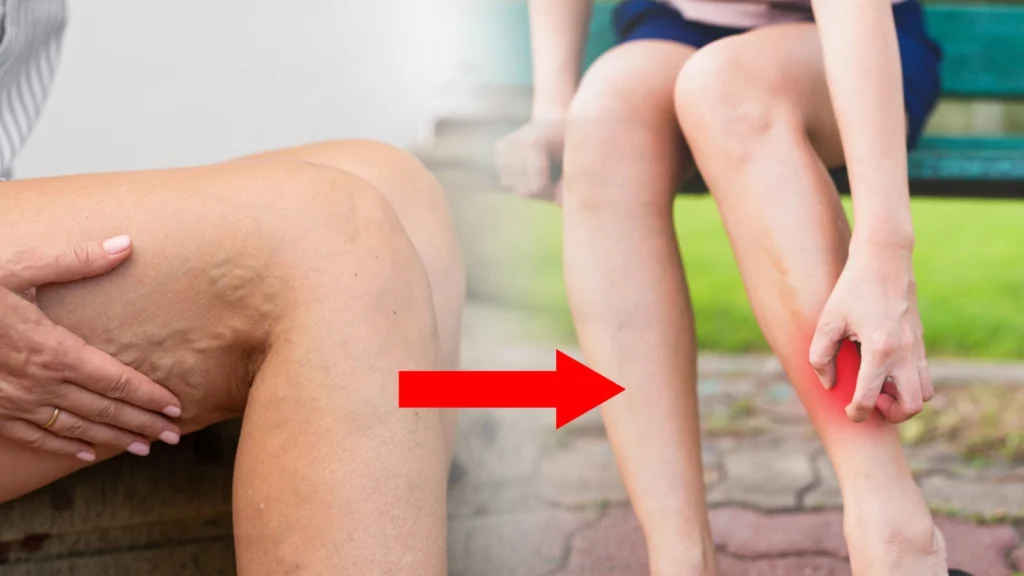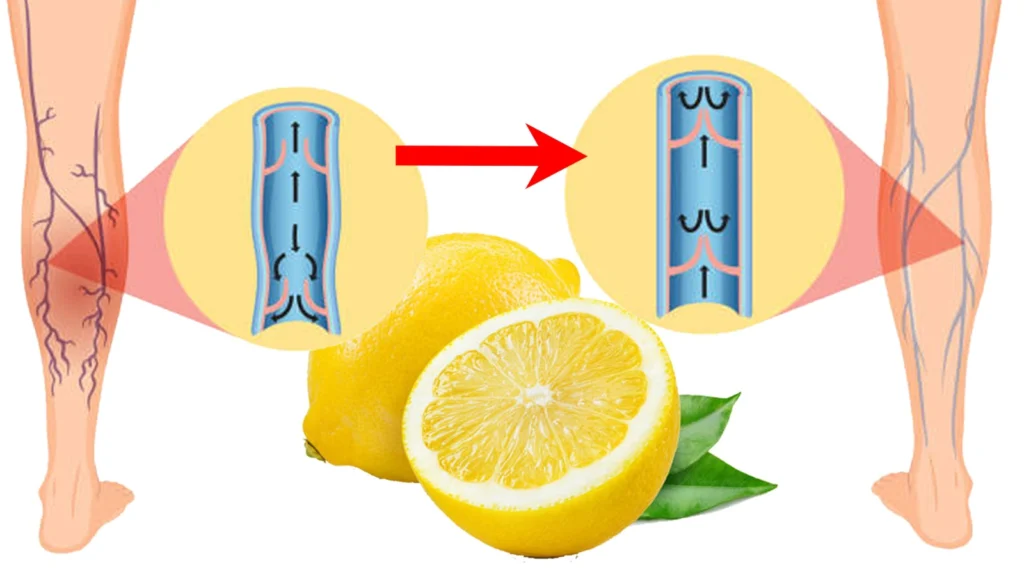
Varicose veins are no longer a medical condition affecting only older adults. They can happen in both younger and elder people, but are more seen in people as they age due to the weakening of vein valves. A sedentary lifestyle and eating habits are major contributors to varicose veins in the younger generation. There is an increasing incidence of people getting varicose veins at younger ages, too. The vein valves tend to weaken and allow the blood to pool in veins, as they will not be able to carry blood back to the heart. The pooling of blood can enlarge veins and make them appear twisted and swollen under the skin's surface. It is very important to know what to look for and when it is the right time to get essential treatment for a positive outcome.
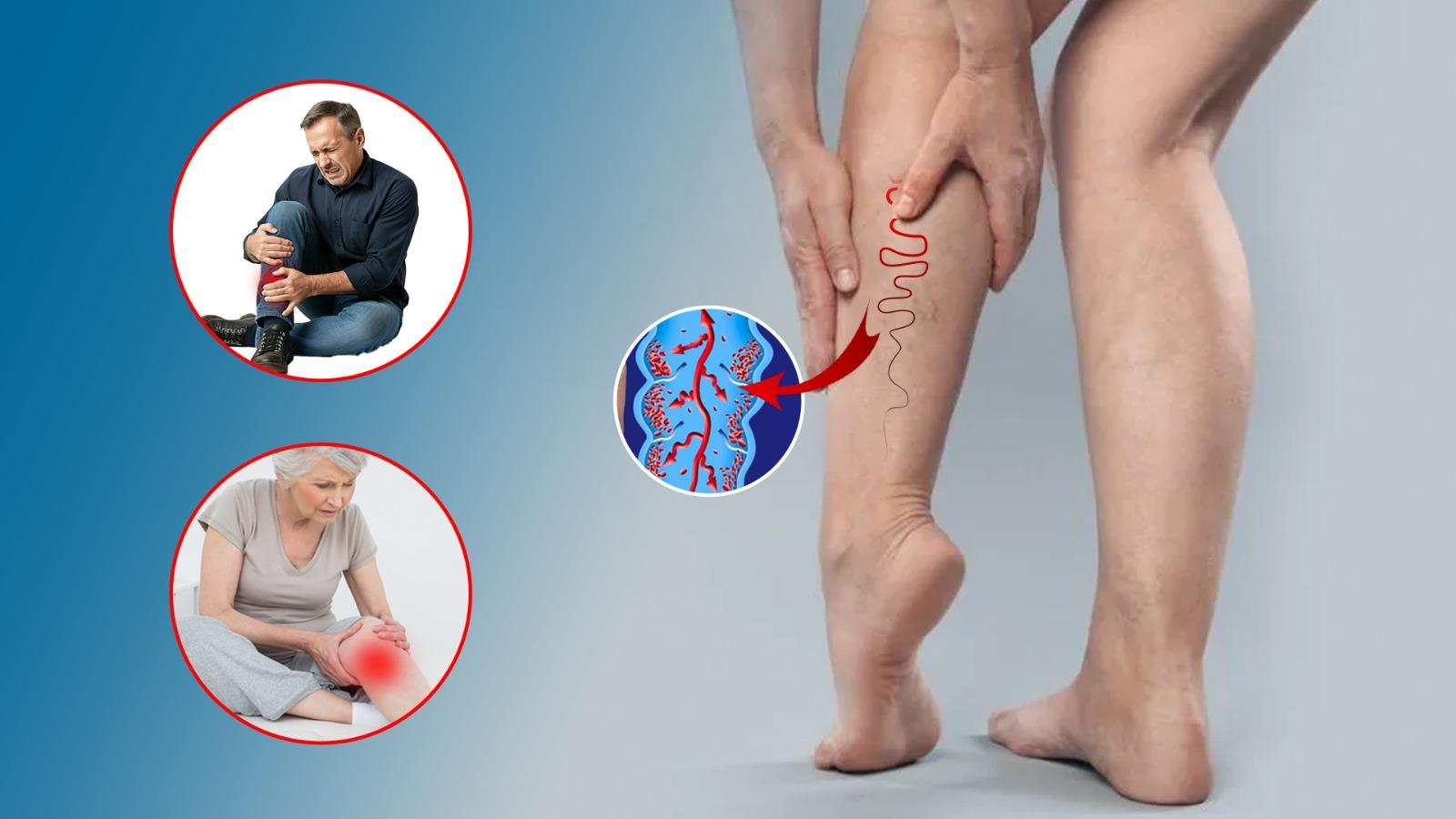
Young people below 30 years of age are at risk of getting varicose veins if they have a family history of the disease. Other contributing factors that make you prone to the problem at a very young age, even at age of 20, are a sedentary lifestyle during your adolescence, like prolonged sitting in front of TVs, eating more junk and high-calorie food, tight clothing, and wearing improper footwear. Girls could suffer from varicose veins in their teens due to hormonal imbalances at puberty. Get in touch with the doctor to identify the symptoms of varicose veins in order to treat the existing ones and prevent the chances of developing new varicose veins.
Both men and women have the chance of developing varicose veins during their 40s and 50s. While busy lifestyles and unhealthy eating habits remain contributing factors for both genders to develop varicose veins, women stand at a higher risk of developing varicose veins at this age due to the pregnancies they had during their 30s. Hormonal fluctuations during the period impact vein health and put them at risk of developing varicose veins. The varicose veins symptoms they experience during this stage, like pain, swelling, and inflammation, could impact their quality of life. Women tend to ignore the symptoms of varicose veins in their 40s and 50s as they lead busy lives balancing their professional and personal lives. It is very important to watch out for the symptoms of varicose veins in your legs and get them treated by a doctor. Alongside, you should learn to make some lifestyle changes like eating healthy, doing exercises, and wearing compression stockings to reduce the chances of getting varicose veins.
Both men and women have higher chances of developing varicose veins at their retirement age, too. As you have more free time at this age, spend it on improving your quality of life, focus on doing some exercises every day, taking brisk walks, and having a healthy diet to prevent the chances of developing varicose veins. Growing age contributes to weakening vein valves and leads to varicose veins. Women have more chances of developing varicose veins at retirement age because of hormonal fluctuations at their menopause. Aged groups tend to have a weak immune system; varicose veins could progress to the next stage in a short while. Untreated varicose veins would lead to vein ulcers on the skin, which are often difficult to heal. Scaling of the skin in the affected area is the first sign of a varicose ulcer and forms yellow patches and open wounds on the skin as it progresses. It is very important to treat these varicose ulcers as soon as you notice the symptoms and rule them out to prevent the formation of new ulcers. People at this age fear getting the treatments for varicose veins, worrying about hospital stays. Fortunately, people at the age of retirement are still suitable for minimally invasive procedures like radiofrequency ablation and EVLA to treat even chronic cases of varicose veins. Reach out to doctors who are specialised in vein treatments to discuss your treatment options without any hesitation.
People need to learn the signs of varicose veins in their old age because they are at high risk of developing this medical condition, as they tend to have a sedentary lifestyle. If women at this age have developed deep vein thrombosis during their childbearing years, they have a higher risk of developing varicose veins, so it is important to seek medical advice if you are at risk of developing varicose veins and treat any signs of venous insufficiency effectively.
Varicose veins are an enlarged vein condition that happens due to the pooling of blood in non-functional veins. Though it is a common issue found in the older generation, there is an increasing incidence of the younger generation complaining about varicose veins, even in their early 20s. Here is a list of individuals who are likely to develop varicose veins.
Both genders share an equal risk of developing varicose veins in their legs after their 40s. While hormonal imbalance is a contributing factor in women because of their premenopausal stage, men, too, develop varicose veins after their 40s due to various reasons.
Women experience many other discomforting symptoms at menopause and undergo hormonal replacement therapy to manage these symptoms. You are at a high risk of developing varicose veins if you are under hormone replacement therapy at your menopause.
Oxidative stress may cause the blood to become thicker and slow down the blood flow resulting in the formation of clots. Inner cell wall damage causes the walls to become rough and inflamed.
Any damage to the vein or a history of blood clots can damage your vein's function, putting you at a higher risk of developing varicose veins in people.
Varicose veins run in families. You are likely to develop the medical condition if any one of your close family members has a history of varicose veins because leaky valves are said to be inherited.
More body weight will increase pressure on your veins and damage the vein's functionality. When blood starts pooling in your veins, they become enlarged, leading to the risk of developing varicose veins.
The growing embryo, accompanied by hormonal changes, raises the risk of varicose veins in pregnant women because of increased blood flow. The varicose veins disease that pregnant women develop will disappear after childbirth. However, varicose veins treatments in between help you manage the symptoms effectively.
A sedentary job style that involves spending long hours sitting at a desk is the prominent cause behind the younger generation developing varicose veins. The muscles in the legs remain non-functional for long hours, and their movement is very important to move blood forward. When you sit for longer hours, you prevent muscles from moving blood back to the heart against gravity. The non-functional veins pool blood in veins and increase the risk of varicose veins.
Along with the risk factors, learning more about the symptoms of varicose veins will help you with the early diagnosis and the right treatments for positive outcomes.
People generally experience varicose veins after the age of 50, but it can happen at any age, too. Unfortunately, today's sedentary lifestyle is raising the incidence of varicose veins in the younger generation. Varicose veins are also an inherited disease and can affect you at any age if you are under the risk blanket. Women take a major share among varicose veins patients due to hormonal imbalance. The risk of developing spider veins is high if you spend long hours at your desk job. There are effective non-invasive treatments to give you long-lasting relief from varicose veins.
 +91 72079 48545
Varicose veins can be formed at any age, especially if you are living a sedentary lifestyle. It is important to take some preventive measures, like wearing compression stockings, elevating legs, and an active lifestyle, to stay away from varicose veins. Avis Hospitals have a special treatment approach for older patients to ensure they get maximum comfort along with the results while they are treated for varicose veins.

Varicose veins are commonly found in people above 50, but can be found at any age, even in young adults, if they are the risk of inheritance.
Varicose veins can progress faster in older people, but there are invasive varicose treatments to address the problem even in older people.
Yes, even the younger generation is prone to varicose veins due to their poor diet, sedentary lifestyle, and inherited risk.
If you are experiencing persistent pain in your legs, swelling, and skin ulcers, you should seek immediate medical attention to alleviate symptoms and improve your quality of life. Should I be concerned about varicose veins at a younger age? Varicose veins are not life-threatening, and there are effective treatments to completely heal varicose veins.