Menopause is an imperative phase in women’s lives where there is a natural fall in the reproductive hormones, and many tend to experience this in their late 40s or early 50s. Women tend to experience hormonal imbalances, which could lead to multiple problems, including ones related to veins. According to statistics, women have a higher chance of developing varicose veins when compared to men. Women tend to experience hormonal shifts during menopause that tend to lead to many changes in the body, including vascular health, raising the chances of developing varicose veins. It is important to unfold the close link between menopause and varicose veins and take effective measures to keep your veins healthy.
Menopause is a natural phase in women’s lives as they age. The phase starts when women stop experiencing the menstrual cycle for 12 months. Many times, menopause is confused with the post-birth term, where women don’t get their periods. Though both phases share similar symptoms and have hormonal fluctuations, they are not the same. As women reach their menopause, their ovaries tend to produce fewer hormones like estrogen and progesterone. You may reach menopause early in a few cases, like undergoing a hysterectomy, cancer treatments, or premature menopause.
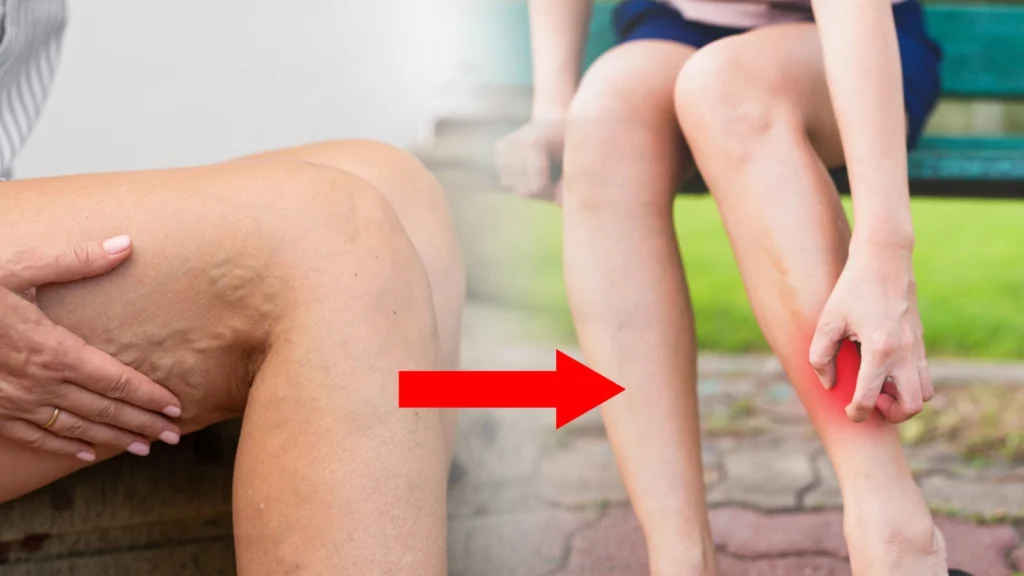
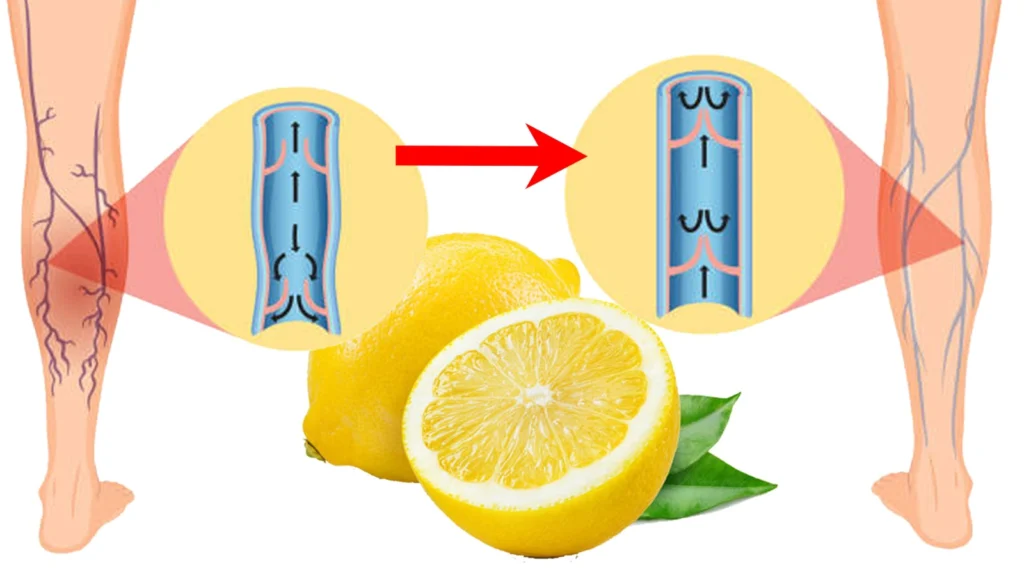
Before you unfold the relationship between menopause and varicose veins, you need to understand more about varicose veins and how they affect women's vein health. Varicose veins happen due to venous insufficiency that hinders the functionality of veins in your body. The excess pressure created on veins due to various reasons interrupts the vein’s ability to open and close properly, and blood starts accumulating in veins instead of flowing back to the heart. This pooled blood in veins enlarges veins and makes them appear twisted in web-like patterns on the skin’s surface. Though varicose veins tend to be a superficial skin problem in the early stages, they tend to cause many problematic symptoms as they progress. You may experience many worrying varicose vein symptoms like pain, swelling, inflammation, heaviness in the legs, and even restless leg syndrome. Though women are at greater risk of developing varicose veins at menopause, any gender can develop varicose veins at different stages of life due to hormonal fluctuations.
Hormonal balance in the body is quite important for vein health. The two important hormones, estrogen and progesterone, support vein health in women and keep them less prone to varicose veins. Both women and men have these hormones in the body in different amounts. They play a key role in maintaining reproductive health in both genders. Women are more prone to hormonal fluctuations during menopause; the fluctuations can affect the health of the vein walls and raise the risk of varicose veins.
People need to learn the signs of varicose veins in their old age because they are at high risk of developing this medical condition, as they tend to have a sedentary lifestyle. If women at this age have developed deep vein thrombosis during their childbearing years, they have a higher risk of developing varicose veins, so it is important to seek medical advice if you are at risk of developing varicose veins and treat any signs of venous insufficiency effectively.
During menopause, women experience a decline in reproductive hormones like estrogen and progesterone, which has a negative impact on vein health. The decline in hormone production thickens vein walls and makes them less flexible. They affect the ability of vein valves to direct the blood back to the heart because the veins fail to close properly, and blood starts pooling in the veins, creating excess pressure and leading to varicose veins at menopause.
When there is a low production of reproductive hormones in women during menopause, the vein walls tend to lose their natural elasticity to foster free blood flow. The thickening of vein valves makes them prone to dysfunction and pools blood in veins, leading to varicose veins.
Thickened vein valves, due to hormonal imbalance, do not completely allow blood to flow back to the heart. When the blood pools in veins, they tend to show varicose veins symptoms like swelling and bulging of veins, indicating the signs of varicose veins at menopause.
Hormones like estrogen and progesterone help in collagen production in veins and foster muscle function to improve blood circulation. The decline in the production of these hormones during menopause affects the vein’s structure, increasing the risk of varicose veins.
Estrogen levels in the body tend to fluctuate at two stages of a woman’s life: pregnancy and menopause. The decline in hormones could affect the vein health negatively. The hormone tends to affect the cellular structure of vein valves and cause poor blood circulation that increases the risk of varicose veins in women at menopause. Decreasing levels of estrogen in the body also affect the vein’s ability to push the blood back to the heart, leading to varicose veins. While both men and women have estrogen in the body, women are more prone to varicose veins due to fluctuations in the hormone because they have higher levels of estrogen in the body, and a sudden decline in the production at menopause impacts vein health and leads to varicose veins. The estrogen hormone also helps to burn body weight. You may become obese during menopause due to a decline in hormone production, which increases pressure on veins in the legs, raising the risk of varicose veins.
Progesterone is another reproductive hormone that has a key impact on vein health. The hormone is produced in the body during ovulation. Progesterone functions to relax blood vessels in the veins. When veins tend to relax more, they become weak and tend to bulge and swell. The fluctuations of the progesterone hormone during menopause will reduce vein tightness and weaken vein valves, leading to poor blood circulation that causes varicose veins at menopause.
Women reach menopause in their 50s, which also impacts vein health. The veins tend to weaken as you age. When combined with the effects of hormonal changes, the vein valves struggle to push blood back to the heart, and varicose veins tend to develop in the legs.
Lack of activity in women during menopause will make them prone to many health problems, and varicose veins are one among them. Exercising every day keeps your blood flowing in your veins with effective muscle contractions. Low-impact exercises will strengthen your calf muscles and support blood-pumping action in veins. Move around as much as you can to cut off being prone to the risk of varicose veins during menopause.
Include fibre-rich foods in your everyday diet to control your body weight during menopause. Make sure to have vitamin-rich food that supports your vein health and blood circulation. You also need to avoid some foods, like high-salt, saturated fat, and processed foods with sugar, to prevent the development of varicose veins in your legs.
Compression stockings are specially designed for patients with varicose veins to improve blood flow in their legs. Women at menopause also suffer from poor blood circulation issues. You can consider wearing compression stockings that fit tightly to the legs and apply graduated pressure, improving the blood flow in veins and reducing the chances of being prone to varicose veins.
Suppose none of the above-mentioned remedies work for you to prevent varicose veins at menopause. In that case, you can consider choosing some conservative treatment approaches like laser treatments or sclerotherapy to treat your varicose veins at menopause. These treatments run for a short session and are quite effective in treating varicose veins in menopause.
 +91 72079 48545
Varicose veins at menopause are one of the major concerns for women who are going through this phase because declining reproductive hormones like estrogen and progesterone tend to impact vein health and increase the risk of varicose veins in women. Women enter menopause in their late 40s or early 50s, so ageing tends to be an additional contributor to varicose veins at menopause. Though precautions can help reduce the chances of developing varicose veins, the chances cannot be zero. Seek medical advice at the earliest if you identify any symptoms of varicose veins in your legs. The earlier you get the treatments for varicose veins at Avis Hospitals, the better your ability to manage the symptoms of varicose veins and rule out venous insufficiency effectively. Our simple treatment procedures are patient-centric approach offering long-lasting results with maximum comfort.

Women suffer from hormonal fluctuations during menopause. The decline in hormones increases the risk of varicose veins.
Varicose veins at menopause are influenced by various factors like hormones, age, and obesity. HRT may help if you have developed varicose veins due to hormonal fluctuations. Discuss your treatment options with a doctor.
Hormones like estrogen and progesterone help maintain the elasticity of veins and improve blood circulation. The decline in these hormones at menopause will affect vein health and increase the risk of varicose veins at menopause.
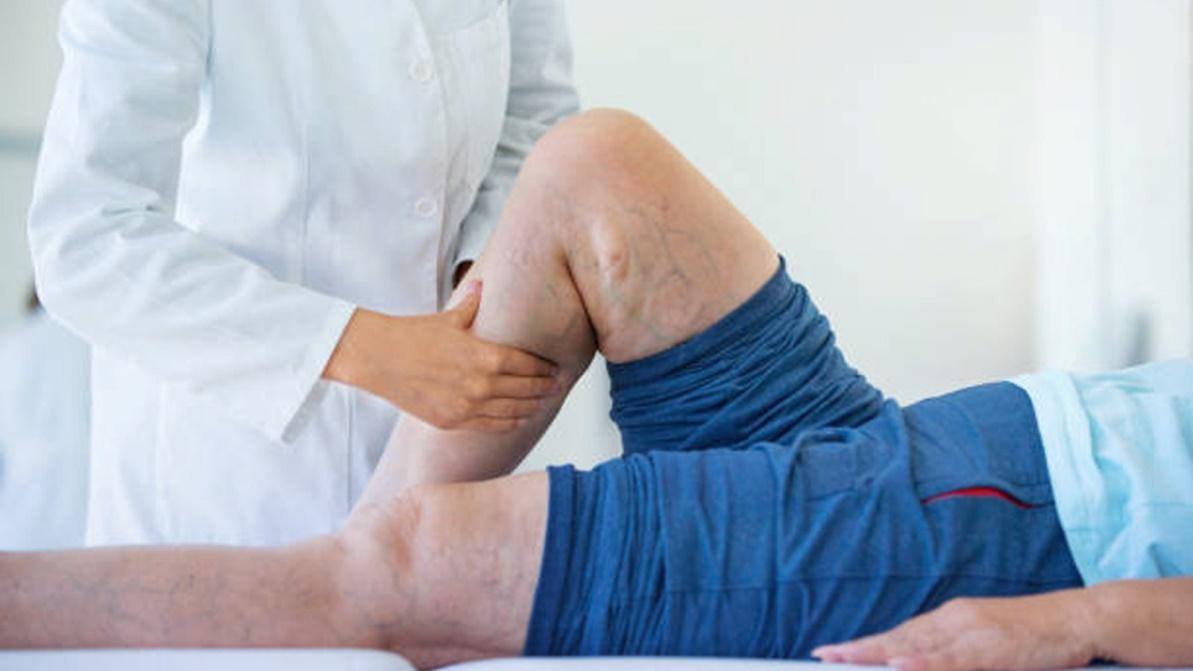
During menopause, you may see bulging of veins, heaviness and pain in the legs, pain in the legs, restless leg syndrome and swelling in the legs